
Peru is famous for its rich food culture, colorful ingredients, and traditional cooking methods. One important part of this culinary heritage is the variety of traditional Peruvian herbs used in everyday meals, traditional recipes, and homemade drinks. From the fragrant leaves of huacatay to the refreshing aroma of muña, these herbs bring distinctive flavors to dishes across the country.
Peru’s geography plays an important role in its plant diversity. The Andes Mountains, Amazon rainforest, and Pacific coast support different types of aromatic plants. Some herbs grow naturally in the highlands, while others are cultivated in home gardens and local farms. Many have been used by Andean communities for generations.
These herbs are not all used in the same way. Some add flavor to meat and vegetable dishes, others are important ingredients in traditional sauces, and several are commonly prepared as herbal infusions.
In this guide, we explore 10 traditional herbs associated with Peruvian cooking and culture, including their flavors, culinary uses, and traditional importance.
What Are Traditional Peruvian Herbs?
Traditional Peruvian herbs are aromatic plants used in the country’s cooking, household traditions, and regional food culture. Some are native to the Andes and other parts of South America, while others arrived through cultural exchange and became established ingredients in Peruvian kitchens.
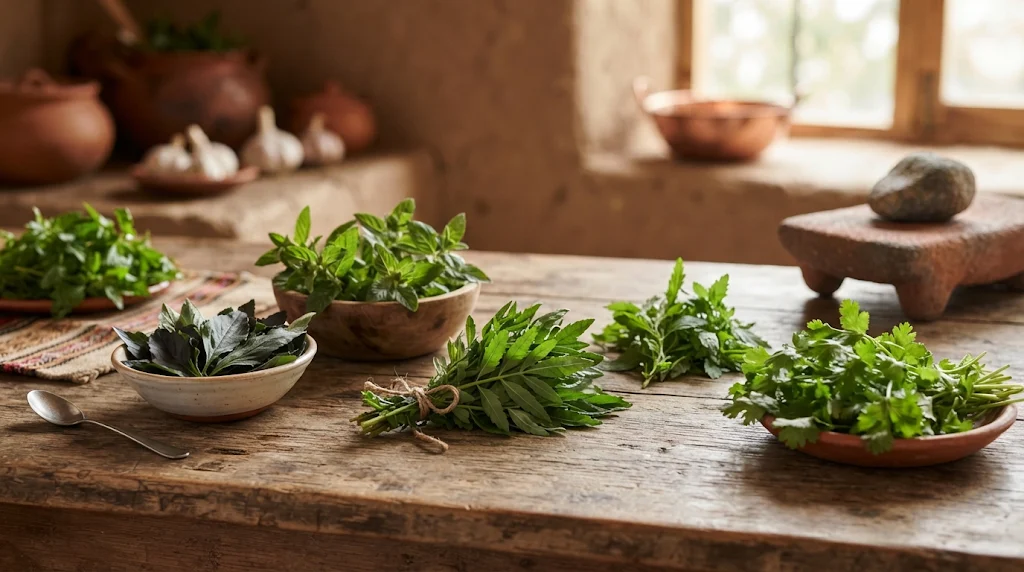
The use of herbs varies between regions. In the Andes, plants such as muña and chincho are valued for their strong aromas and traditional culinary applications. In other regions, ingredients such as culantro, oregano, and parsley are more common in everyday cooking.
Unlike dried seasoning blends, many Peruvian herbs are used fresh. Their leaves are chopped, crushed, blended, or added directly to cooking pots to release their natural aroma.
Traditional herbs also have cultural importance beyond food. Some communities prepare herbal infusions using plants that have been passed down through generations. These practices are part of local knowledge and should be understood separately from scientifically proven medical treatments.
10 Traditional Peruvian Herbs You Should Know
Peruvian cuisine uses different herbs depending on the dish and region. Here are ten important examples worth knowing.
1. Huacatay (Peruvian Black Mint)
Huacatay is one of the most recognizable herbs in traditional Peruvian cooking. It is commonly known as Peruvian black mint in English and belongs to the marigold family. Its botanical name is Tagetes minuta.
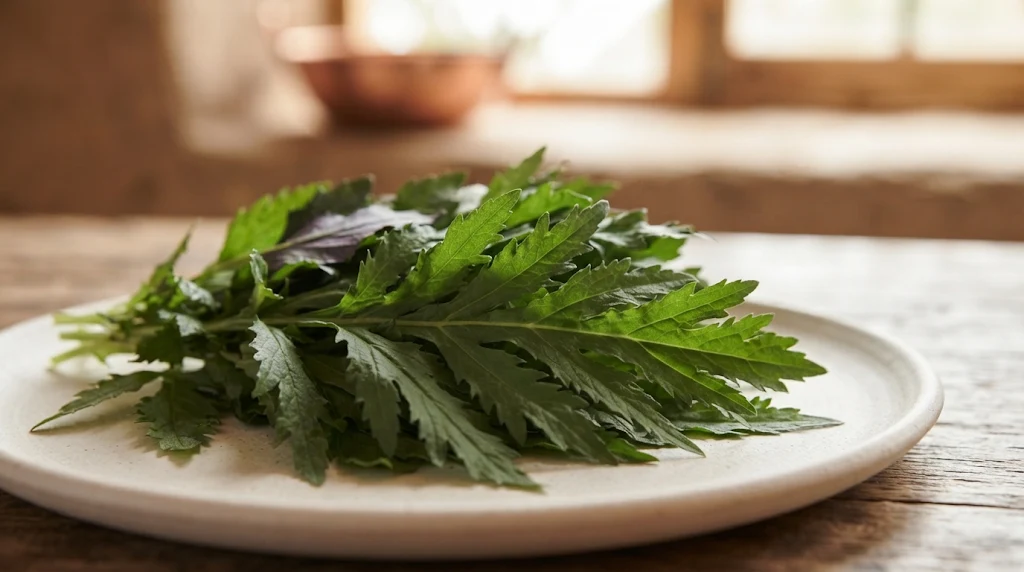
Although its name includes mint, huacatay does not taste exactly like ordinary mint. It has a strong, fresh aroma with herbal, slightly minty, and citrus-like notes. Its distinctive flavor makes it particularly useful in sauces and marinades.
One of its best-known culinary uses is Ocopa Arequipeña, a traditional dish from Arequipa. In this preparation, huacatay is blended with ingredients such as ají mirasol, peanuts, cheese, and crackers to create a thick sauce served over boiled potatoes.
Huacatay is also used in:
- Pachamanca, a traditional earth-oven meal.
- Meat and chicken marinades.
- Potato sauces and dips.
- Traditional soups and stews.
Fresh leaves are generally preferred because they provide a strong aroma. When fresh huacatay is unavailable, prepared huacatay paste can be a convenient alternative.
If you enjoy learning about traditional Peruvian appetizers, Ocopa is an excellent example of how this herb contributes to regional cooking.
2. Muña (Andean Mint)
Muña is a traditional Andean herb that grows in mountainous areas of Peru. Its botanical name is commonly given as Minthostachys mollis.
The plant has small aromatic leaves and a refreshing smell similar to mint. However, its flavor is more intense and slightly different from the mint commonly found in supermarkets.
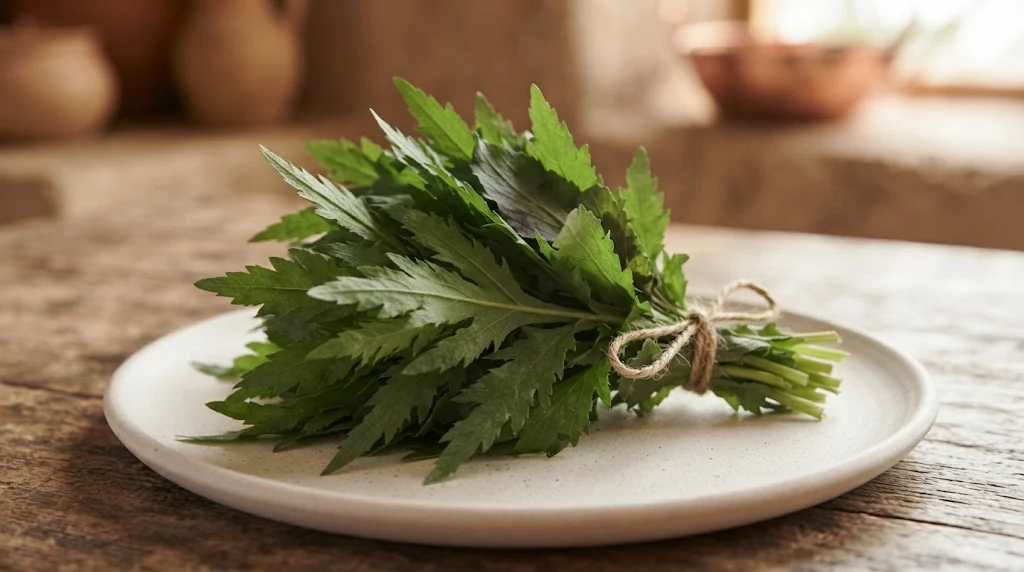
Muña has an important place in Andean household traditions. People commonly prepare it as a hot infusion, especially in highland communities. It is also used in some traditional food preparations.
Common uses include:
- Preparing muña tea.
- Adding aroma to selected soups.
- Traditional Andean herbal preparations.
- Household food-preservation practices.
Muña is especially interesting because it connects Peruvian food culture with traditional knowledge of mountain plants.
To prepare a simple muña infusion, dried leaves can be steeped in hot water for several minutes. Its refreshing aroma makes it a popular alternative to ordinary tea.
3. Paico (Epazote)
Paico is another aromatic plant found in traditional Peruvian food culture. It is known botanically as Dysphania ambrosioides and is also called epazote in Mexico and other parts of Latin America.
The plant has a strong, penetrating aroma and a distinctive flavor. Because of its intensity, it is generally used in small quantities rather than as a large leafy ingredient.
In Peru, paico is associated with traditional soups, stews, and regional cooking. It is particularly relevant to some Andean food preparations, where aromatic herbs help create the characteristic flavor of homemade dishes.
Paico is traditionally used in:
- Selected regional soups.
- Vegetable preparations.
- Traditional Andean cooking.
- Some regional herbal preparations.
The amount used depends on the recipe because its flavor can easily become overpowering.
Although paico has a history of traditional medicinal use, concentrated preparations and essential oils should not be treated as ordinary food ingredients. Some preparations can be toxic, so it is important to avoid using them without qualified medical guidance.
4. Chincho (Traditional Andean Herb)
Chincho is a lesser-known aromatic herb associated particularly with the central highlands of Peru. It is traditionally used in parts of the Huánuco region and is considered an important ingredient in regional Andean cooking.
Its botanical name is Tagetes elliptica. This herb is related to huacatay, but it has its own characteristics and should not be treated as another name for huacatay.
Its leaves have a strong, distinctive aroma that works well in savory preparations.
One of its best-known uses is in Pachamanca Huanuqueña. Fresh chincho leaves are crushed with other ingredients to prepare a marinade for meat before it is cooked using heated stones.
Other traditional applications include:
- Meat marinades.
- Regional soups.
- Vegetable stews.
- Traditional pachamanca preparations.
Chincho is particularly interesting because it demonstrates how local ingredients can distinguish one regional version of a traditional Peruvian dish from another.
5. Culantro (Cilantro-Like Herb)
Culantro is an important herb in Peruvian cooking. It is related to cilantro but has a different appearance and stronger flavor.
The leaves are generally longer, flatter, and more deeply shaped than those of common cilantro. Its botanical name is Eryngium foetidum.
Although culantro is widely used in Peru, it is not originally native to the country. It is important to distinguish herbs commonly used in Peruvian cuisine from plants that originated in Peru.
Culantro is especially useful in dishes where a fresh, green flavor is needed.
Common preparations include:
- Arroz con Pollo.
- Traditional chicken soups.
- Vegetable stews.
- Green sauces and marinades.
In Arroz con Pollo, fresh cilantro is commonly blended with other ingredients to create the green seasoning mixture that gives the rice its familiar color and aroma.
It is a good example of how different cultural influences have shaped modern Peruvian cooking.
You can explore our traditional Peruvian Arroz con Pollo recipe to see how fresh herbs contribute to this popular dish.
6. Hierba Luisa (Lemongrass)
Hierba luisa is a fragrant plant known for its refreshing lemon-like aroma. In Peru, the name commonly refers to lemongrass, botanically known as Cymbopogon citratus.
It has long, narrow leaves and a strong citrus fragrance. The plant is commonly used in herbal infusions and household beverages.
Its light lemon flavor makes it suitable for simple drinks.
Popular uses include:
- Homemade herbal tea.
- Refreshing hot drinks.
- Aromatic infusions.
- Selected traditional beverage preparations.
To prepare it, fresh or dried leaves can be steeped in hot water. Some people add a small amount of honey or lemon for additional flavor.
Hierba luisa is a good example of an everyday aromatic plant that has become part of traditional household drink culture.
7. Manzanilla (Chamomile)
Manzanilla, commonly known as chamomile, is widely recognized in Peruvian households.
It is not originally native to Peru, but it has become a familiar part of traditional herbal tea culture.
Chamomile has small flowers with a mild, slightly sweet aroma. Unlike strong culinary herbs such as huacatay and paico, it is mainly appreciated for its use in beverages.
Common uses include:
- Hot chamomile tea.
- Homemade herbal infusions.
- Traditional household drinks.
To prepare chamomile tea, dried flowers are steeped in hot water and strained before serving.
Its mild flavor makes it suitable for people who prefer a lighter herbal drink.
Chamomile is also available in tea bags, although loose dried flowers are another popular option.
8. Toronjil (Lemon Balm)
Toronjil is commonly known as lemon balm. Its botanical name is Melissa officinalis.
It has soft green leaves and a gentle lemon-like aroma. The flavor is mild, making it suitable for herbal infusions.
Although it is not native to Peru, toronjil is used in household herbal traditions and can be found in different parts of Latin America.
Its common uses include:
- Lemon balm tea.
- Homemade herbal infusions.
- Blended herbal drinks.
Fresh leaves can be added to hot water and allowed to steep for several minutes. Dried leaves can also be used when fresh plants are unavailable.
Toronjil should not be confused with hierba luisa. Both have citrus-like aromas, but they are different plants with different botanical characteristics.
9. Cedrón (Lemon Verbena)
Cedrón is commonly known as lemon verbena. Its botanical name is Aloysia citrodora.
It has narrow leaves with a strong lemon fragrance. In Peru and other parts of South America, cedrón is commonly used to prepare herbal infusions.
Its aroma is fresh and pleasant, making it a popular ingredient for simple homemade drinks.
Traditional uses include:
- Hot herbal tea.
- Lemon-scented infusions.
- Blended herbal beverages.
Fresh or dried leaves can be steeped in hot water. The resulting drink has a light citrus flavor that can be enjoyed without adding complicated ingredients.
One important detail is that cedrón and hierba luisa are sometimes confused in everyday conversations. However, they are different plants when hierba luisa refers to lemongrass.
10. Orégano (Oregano)
Oregano is a familiar aromatic herb used in many Peruvian home kitchens. Although it is not originally native to Peru, it has become an established seasoning in traditional and everyday cooking.
It has small leaves and a warm, slightly earthy flavor. Both fresh and dried oregano are used, depending on the recipe.
Common culinary applications include:
- Soups and stews.
- Meat marinades.
- Tomato-based sauces.
- Vegetable dishes.
- Traditional seasoning mixtures.
Dried oregano has a more concentrated flavor, so a small quantity is usually enough.
In Peruvian cooking, oregano is often combined with garlic, cumin, pepper, and other seasonings to create a balanced flavor.
How Peruvian Herbs Are Used in Traditional Cooking
Herbs are an important part of Peruvian cooking because they add aroma, freshness, and depth to everyday ingredients.
Their use depends on the type of food being prepared. Strong herbs such as huacatay and chincho are suitable for sauces and meat marinades, while cilantro is commonly used in rice dishes and soups.
Here are some common ways traditional Peruvian herbs are used.
Preparing Traditional Sauces
Huacatay is one of the most recognizable herbs used in Peruvian sauces. It gives ocopa its characteristic aroma and green color.
It can also be blended with other ingredients to prepare flavorful sauces for potatoes and meat.
Seasoning Meat and Chicken
Chincho and huacatay are useful in traditional meat preparations. Their aromatic leaves can be crushed and combined with garlic, chilies, salt, and other seasonings.
In dishes such as pachamanca, herbs help create the distinctive flavor of the marinade.
Flavoring Rice and Soups
Cilantro is commonly used in rice dishes and soups. It is often blended or finely chopped before being added to the cooking pot.
For example, green seasoning is an important part of traditional Peruvian Arroz con Pollo.
Making Herbal Infusions
Muña, chamomile, hierba luisa, and cedrón are commonly used in herbal drinks.
These preparations are generally simple and require only the leaves or flowers and hot water.
Traditional Andean Herbs and Their Cultural Importance
The Andes Mountains are home to a wide variety of aromatic plants. For generations, local communities have used these plants in cooking, household preparations, and traditional cultural practices.
Muña is one of the best-known examples. It is associated with highland communities and is traditionally prepared as an infusion.
Chincho is another interesting example because its culinary use is closely connected with regional food traditions, especially pachamanca preparations in central Peru.
Huacatay also has a strong connection with Andean gastronomy. Its use in ocopa and other traditional dishes shows how a local aromatic plant can become an important part of regional food identity.
Traditional knowledge about these plants is often passed between generations. Families learn when to collect leaves, how to prepare them, and which dishes benefit from their flavor.
However, it is important to remember that not every herb commonly used in Peru is native exclusively to the country. Some plants originated elsewhere but became established in local cooking over time.
Traditional Peruvian Herbs Used in Herbal Teas
Herbal infusions are common in Peruvian household traditions. They are generally prepared by steeping leaves or flowers in hot water.
Some familiar options include:
| Herb | Common Beverage | Flavor |
|---|---|---|
| Muña | Muña tea | Refreshing and minty |
| Manzanilla | Chamomile tea | Mild and floral |
| Hierba Luisa | Lemongrass tea | Light and citrusy |
| Cedrón | Lemon verbena tea | Fresh and lemony |
| Toronjil | Lemon balm tea | Mild and herbal |
Simple Peruvian-Style Muña Tea Recipe
Muña tea is a simple way to enjoy the aroma of an Andean herb at home.
Preparation time: 5 minutes
Steeping time: 5–7 minutes
Servings: 2 cups
Ingredients:
- 2 cups (480 ml) fresh drinking water.
- 2 teaspoons dried muña leaves, approximately 2 grams.
- 1 teaspoon honey, optional.
- 1 small lemon wedge, optional.
Instructions:
- Pour the water into a small saucepan and bring it to a gentle boil.
- Turn off the heat and add the dried muña leaves.
- Cover the saucepan and allow the leaves to steep for 5–7 minutes.
- Strain the liquid into two cups.
- Add a little honey or lemon if desired.
- Serve warm.
Helpful Tips:
- Use clean, correctly identified food-grade muña leaves.
- Avoid boiling the leaves for a long time because this can change their flavor.
- Adjust the strength by adding slightly more or fewer leaves.
- Use fresh water for the best taste.
This is a traditional-style beverage preparation, not a medical treatment. People who are pregnant, taking medication, or managing a health condition should check with a qualified healthcare professional before regularly using herbal preparations.
Where Can You Find Traditional Peruvian Herbs?
Finding traditional Peruvian herbs depends on where you live. In Peru, fresh herbs are commonly available in local markets, grocery stores, and agricultural markets.
Outside the country, some ingredients can be harder to find, particularly fresh huacatay, muña, and chincho.
Here are a few places to look:
Local Peruvian Markets: Markets in Peru often sell fresh aromatic herbs in small bundles. Local sellers can also help identify regional varieties.
Latin American Grocery Stores: Specialty grocery stores may carry dried herbs, prepared pastes, and imported Peruvian ingredients.
Online Specialty Stores: Some retailers sell dried muña, huacatay paste, and other traditional ingredients.
Herb Gardens: Certain herbs can be grown at home if the climate and growing conditions are suitable. However, some Andean plants require specific environmental conditions.
When purchasing herbs, always check the botanical name, freshness, packaging, and intended food use. This is particularly important when several plants share similar local names.
Frequently Asked Questions About Traditional Peruvian Herbs
What are the most popular traditional Peruvian herbs?
Huacatay, muña, paico, and chincho are among the distinctive herbs associated with traditional Peruvian cooking. Culantro and oregano are also widely used in Peruvian cuisine.
What is the most famous herb used in Peruvian cooking?
Huacatay is one of the most recognizable herbs in Peruvian gastronomy. It is especially popular in ocopa sauce, meat marinades, and traditional regional dishes.
Is huacatay the same as black mint?
Huacatay is commonly called Peruvian black mint in English. However, it is botanically different from ordinary mint. It belongs to the Tagetes genus and has its own distinctive aroma.
What is muña herb used for?
Muña is traditionally used to prepare herbal infusions and is also associated with selected Andean food preparations. Its refreshing aroma makes it a familiar plant in highland household traditions.
What herbs are native to Peru?
Some important South American herbs associated with traditional Peruvian use include muña, huacatay, and chincho. Other commonly used herbs, such as culantro and chamomile, have different geographical origins.
What is the difference between cilantro and culantro?
Cilantro has delicate, divided leaves, while culantro has longer leaves with a stronger aroma. Both are used in Latin American cooking, but they are different plants.
What herbs are commonly used in Andean cooking?
Muña, huacatay, chincho, and paico are important examples of aromatic plants used in traditional Andean food preparations. Their use varies by region and recipe.
Can you buy Peruvian herbs outside Peru?
Yes. Some Peruvian herbs are available through Latin American grocery stores and online specialty retailers. Huacatay paste and dried muña are generally easier to find than fresh chincho.
Conclusion
Traditional Peruvian herbs are an important part of the country’s culinary identity. From the distinctive flavor of huacatay in ocopa sauce to the refreshing aroma of muña tea, these plants bring different flavors and traditions to Peruvian food culture.
Some herbs are closely connected with Andean cooking, while others have become familiar ingredients through cultural exchange. Each has its own characteristics, preparation methods, and place in regional cuisine.
Learning about these herbs is a useful way to understand what makes Peruvian cooking special. Whether you are preparing a traditional sauce, seasoning meat, or making a simple herbal infusion, these ingredients offer a closer connection to Peru’s rich food heritage.
