If you’ve ever eaten Peruvian food, you probably remember the taste before anything else. A squeeze of lime, a bit of heat from ají peppers, fresh herbs, tender meat or seafood — simple things that somehow turn into something amazing. That’s the magic behind so many easy Peruvian recipes at home: you don’t need rare ingredients or years of practice to make food that tastes like it came straight from Lima.
Peru’s food history is part of what makes it so good. Indigenous cooking blended with Spanish, African, Chinese, and Japanese influences over hundreds of years, and the result is one of the most exciting food cultures in South America. The best part is that you don’t have to travel there to enjoy it. Most of these dishes use ingredients you can already find at your local grocery store, and none of them require a professional kitchen or years of training.
In this guide, you’ll find ten classic Peruvian dishes, a few desserts, a simple pantry checklist, cooking tips, common mistakes to avoid, and answers to the questions people ask most. Whether you’re cooking Peruvian food for the first time or you already know your way around the kitchen, there’s something here worth trying this week.
Why Peruvian Food Is Easier to Cook Than You Think
A lot of people assume Peruvian cooking needs special equipment or hard-to-find ingredients. In reality, most dishes rely on basic techniques you probably already use every week — sautéing, grilling, boiling, marinating. Nothing on this list requires a torch, a smoker, or ingredients you’ll spend hours hunting down.
What makes the food taste different is the seasoning. A handful of ingredients show up again and again: potatoes, rice, corn, chili peppers, onions, and fresh herbs. Once you have a few of these in your kitchen, you’re closer to real Peruvian flavor than you’d expect.
The Three Chili Peppers Worth Knowing
Peruvian cooking leans on three types of chili peppers, and each one brings something a little different to the table.
- Ají amarillo – bright yellow, fruity, and mildly spicy. Used in sauces and creamy dishes like ají de gallina.
- Ají panca – deep red, smoky, and mild. Common in marinades and meat dishes.
- Rocoto – the spicy one. Used sparingly, mostly in rocoto relleno.
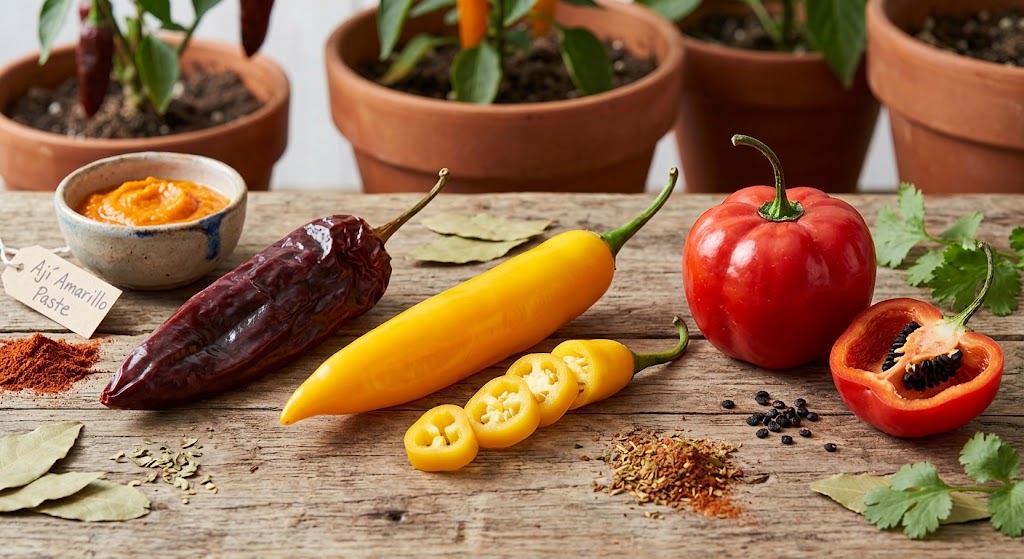
If you can’t find these where you live, mild chilies or a bit of paprika can stand in. You won’t get the exact same flavor, but you’ll get close enough for a home-cooked meal that still feels right.
Building a Simple Peruvian Pantry
Before you start cooking, it helps to have a few basics on hand. None of this is expensive or hard to find, and once your pantry is stocked, most of these recipes come together in under an hour.
Keep these in your kitchen:
- Ají amarillo paste (jarred versions work fine and last a long time)
- White rice
- Potatoes — any starchy variety works
- Fresh limes
- Garlic and yellow onion
- Cilantro
- Soy sauce (yes, really — it shows up in Chifa-style dishes like lomo saltado and arroz chaufa)
- Ground cumin and dried oregano
With this short list, you can make at least half the dishes below without a special grocery trip. Add fresh fish or beef depending on what you’re cooking, and you’re set.
Ten Easy Peruvian Recipes to Start With
Here are ten dishes that show off the range of Peruvian cooking, from the coast to the mountains.
1. Ceviche
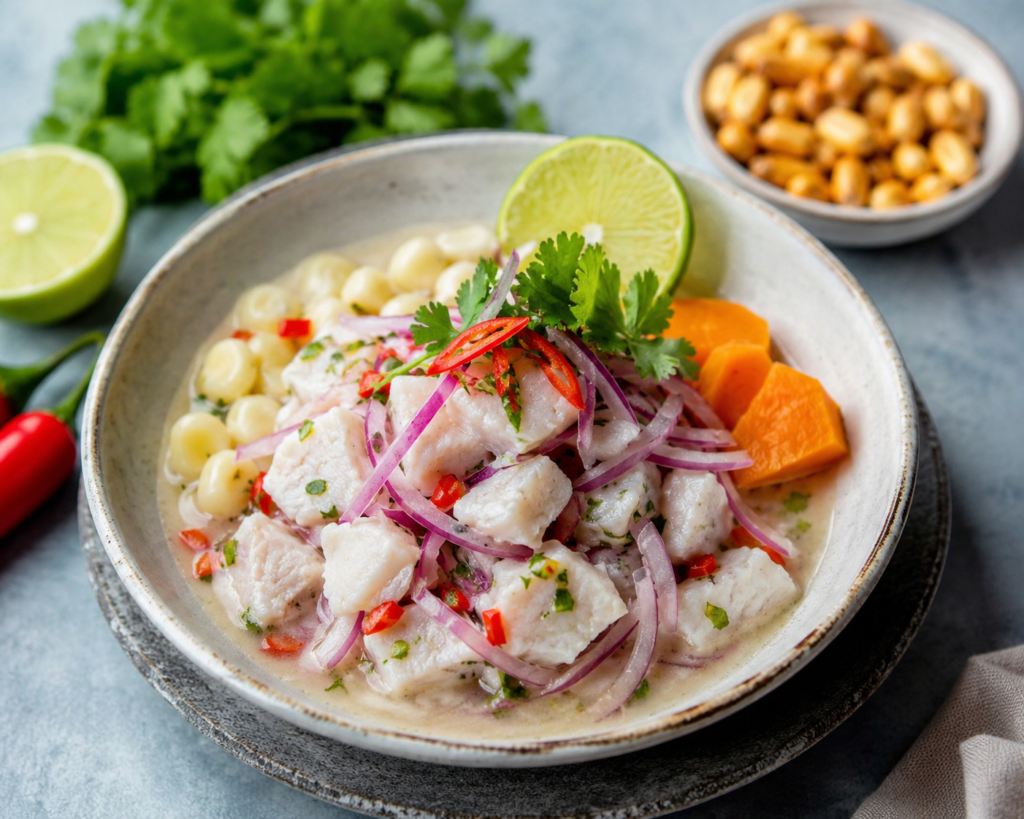
Peru’s most famous dish. Fresh fish gets “cooked” in lime juice, then mixed with onion and chili for a sharp, refreshing bite. Usually served with corn and sweet potato on the side to balance the sourness. This one takes maybe fifteen minutes and no stove at all.
2. Lomo Saltado
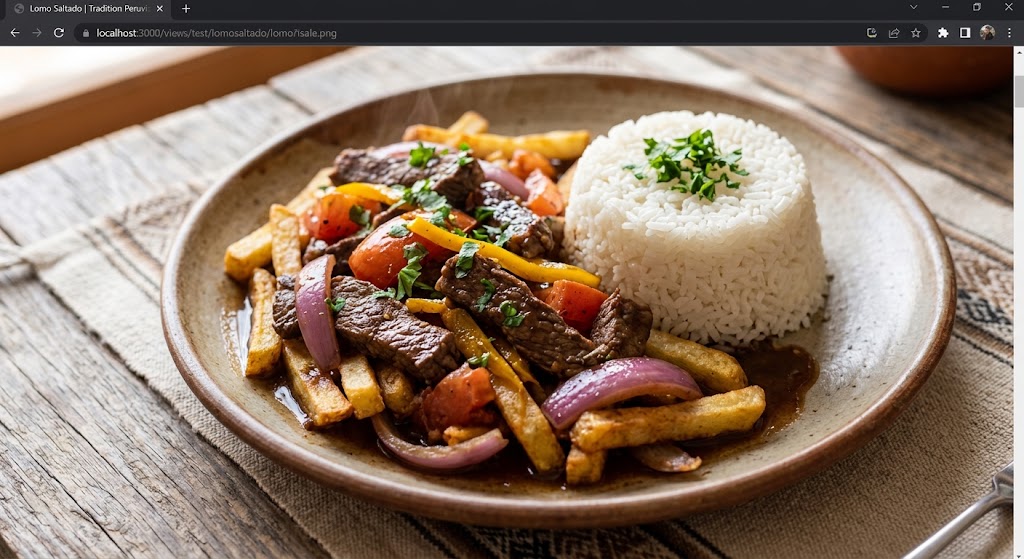
A stir-fry that shows off Peru’s Chinese influence. Strips of beef are cooked fast with onion, tomato, garlic, and soy sauce, then served over rice with crispy fries on the side. It sounds like an odd combination on paper, but it works — this is one of the most-ordered dishes in Peru for a reason.
3. Ají de Gallina
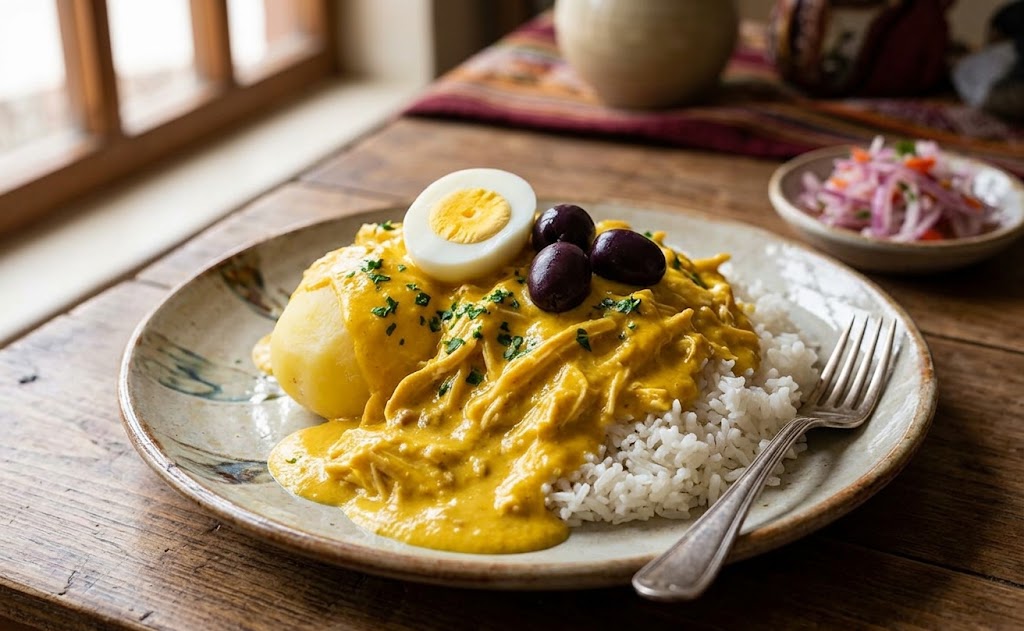
Shredded chicken in a creamy sauce made from ají amarillo, bread, milk, and cheese. Served with rice, boiled potatoes, olives, and egg. This is comfort food, through and through, and it’s a great dish to make ahead since it reheats well.
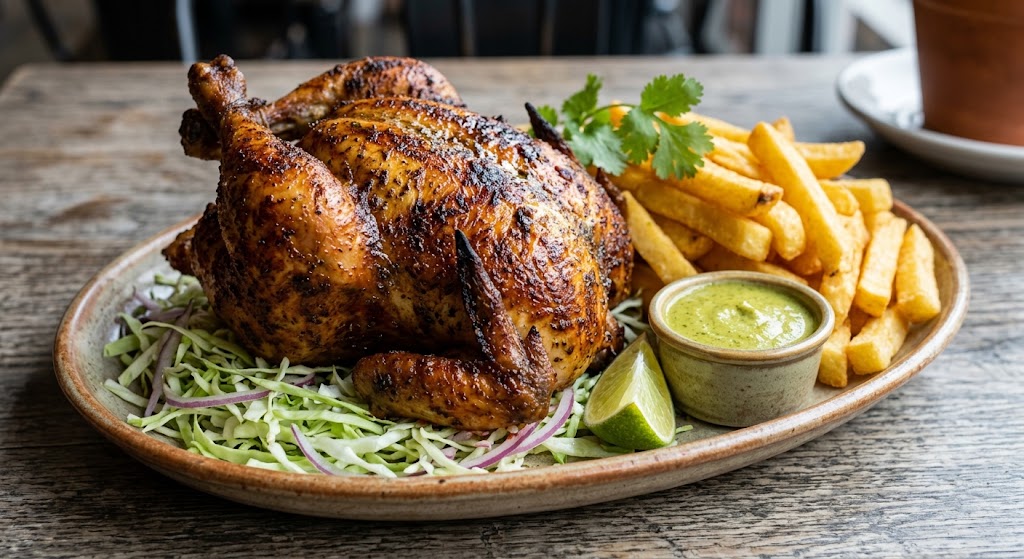
4. Pollo a la Brasa
Peruvian roast chicken, marinated in garlic and spices, then roasted until the skin turns golden and crisp. A staple at family dinners across Peru, and easy enough to throw in the oven on a Sunday.
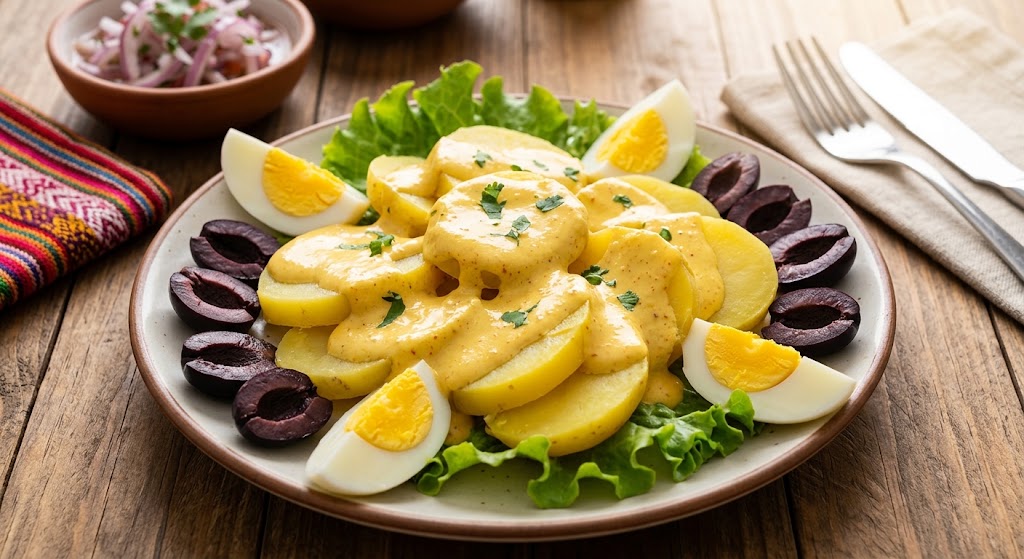
5. Papa a la Huancaína
Boiled potatoes covered in a creamy sauce made from ají amarillo, milk, and crackers. Served cold as a starter, this one is simple to make but somehow always disappears first at the table.
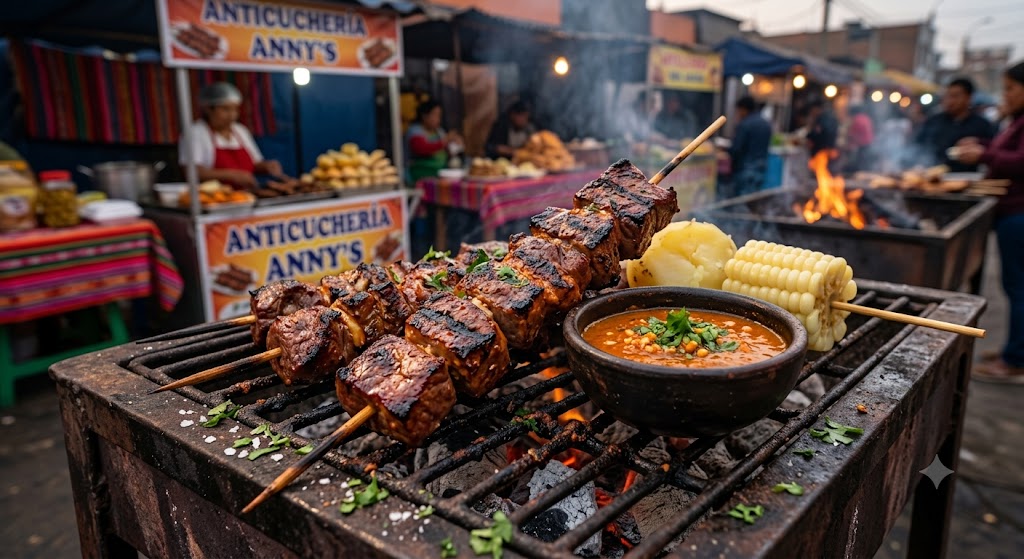
6. Anticuchos
Grilled beef skewers marinated in vinegar, spices, and chili, then cooked over an open flame. A classic Peruvian street food that works just as well on a backyard grill.
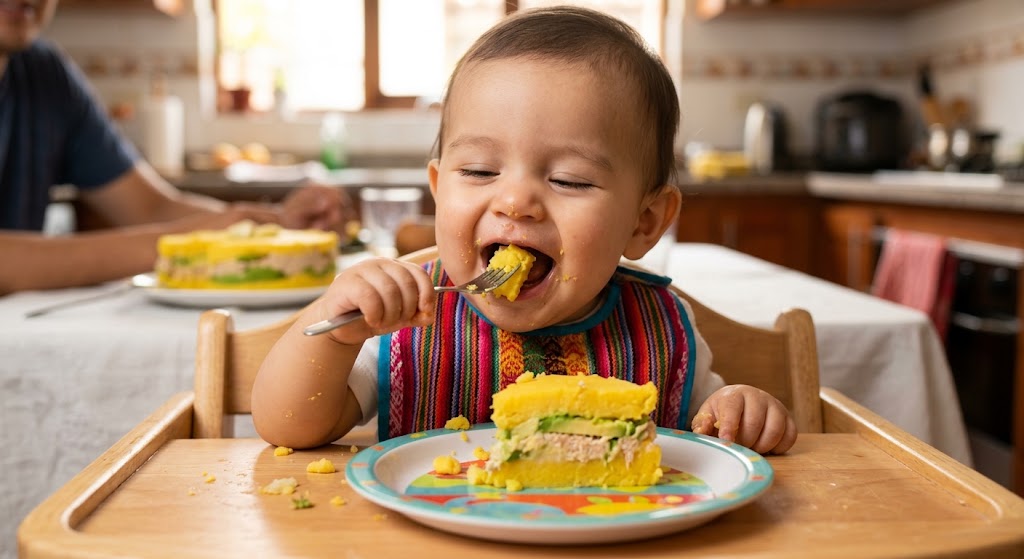
7. Causa Rellena
A layered potato dish — mashed potatoes seasoned with lime and ají amarillo, filled with chicken, tuna, or avocado. It looks impressive on a plate, but it’s really just assembly once the potatoes are cooked and seasoned.
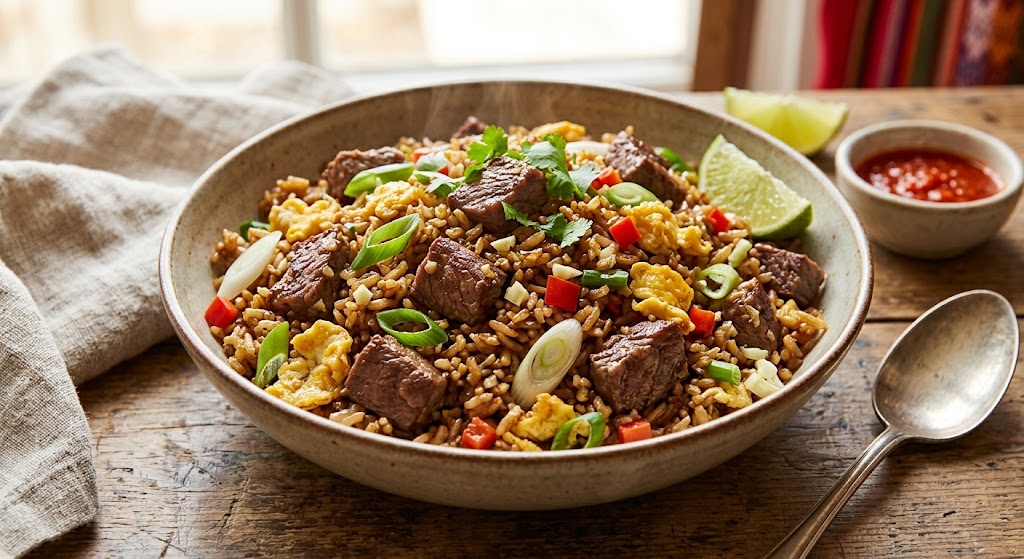
8. Arroz Chaufa
Peruvian fried rice, born from Chinese-Peruvian fusion cooking. Rice, egg, vegetables, and your choice of meat, all stir-fried together in one pan. This is the dish to make when your fridge has odds and ends that need using up.
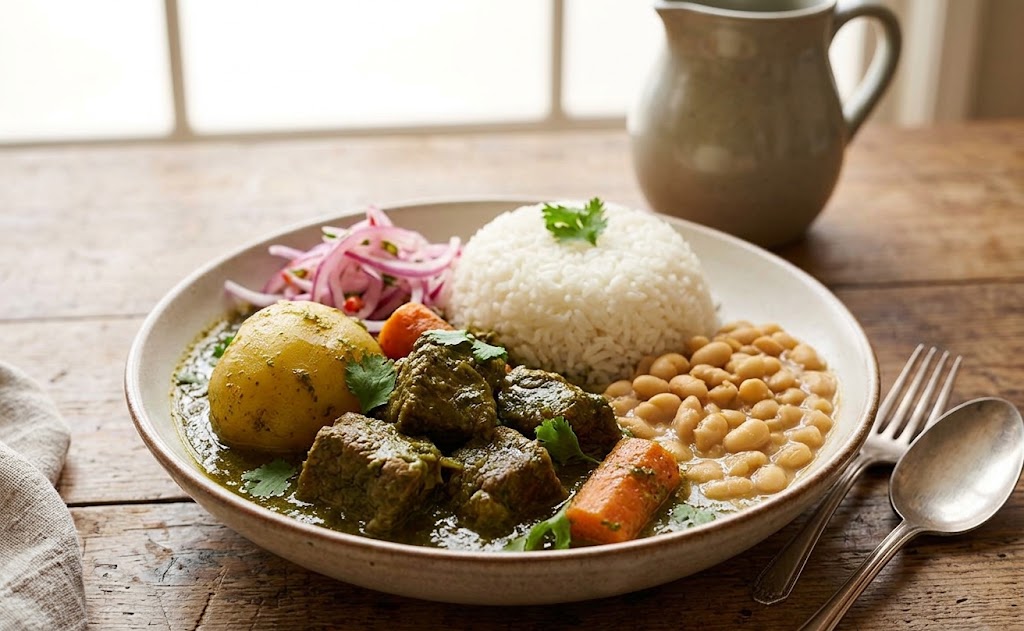
9. Seco de Carne
A slow-cooked beef stew made with herbs and cilantro. The beef becomes tender enough to fall apart on its own. Usually served with rice and beans, and it’s even better the next day.
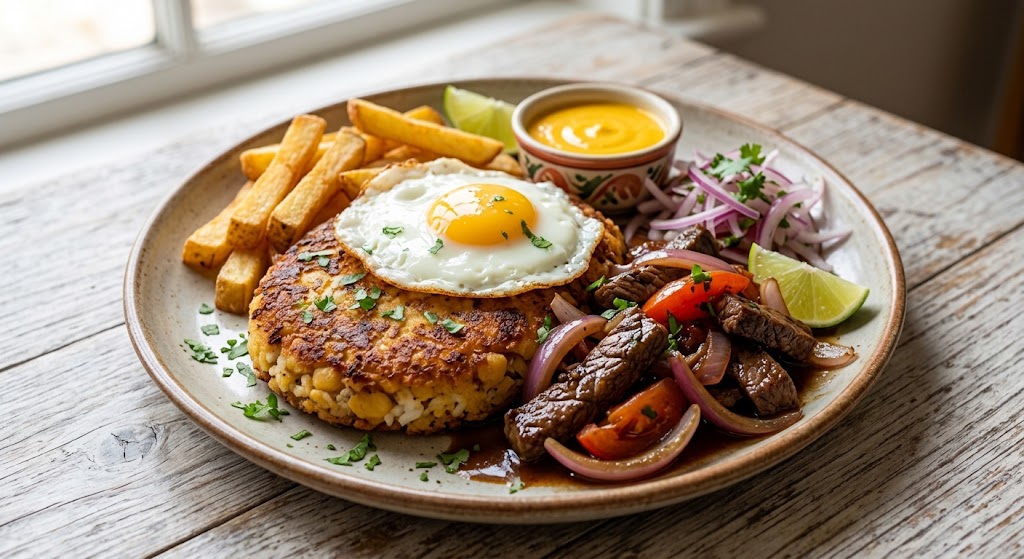
10. Tacu Tacu
A dish built from leftover rice and beans, mashed together and pan-fried until crisp on the outside. Top it with meat, seafood, or a fried egg for a full meal that costs almost nothing to make.
Peruvian Desserts Worth Trying
Peruvian sweets are just as good as the savory dishes, and most of them use simple ingredients you probably already have in the kitchen — milk, sugar, rice, and fruit.
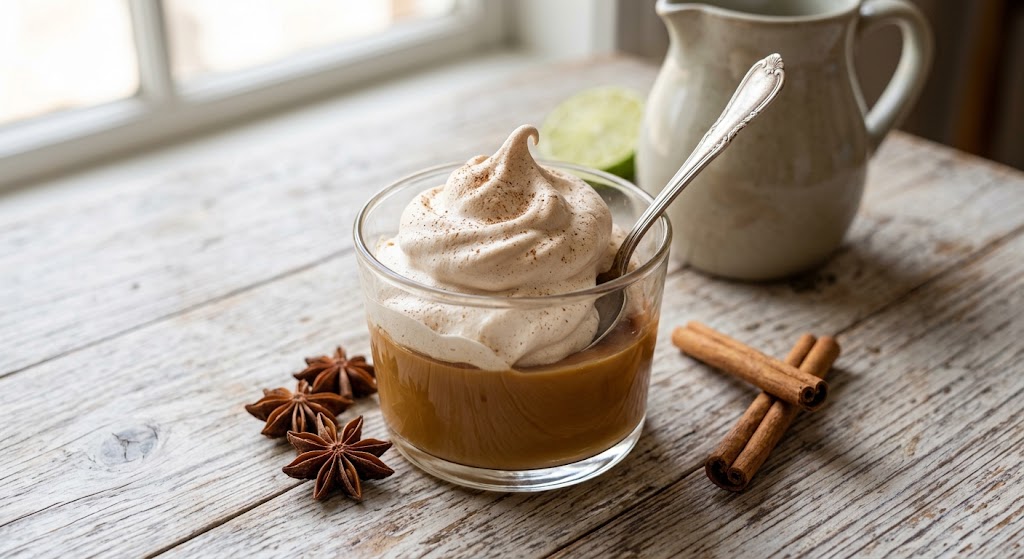
Suspiro a la Limeña – A caramelized milk custard topped with a light, cinnamon-scented meringue. One of Peru’s most loved desserts, and far easier to make than it looks.
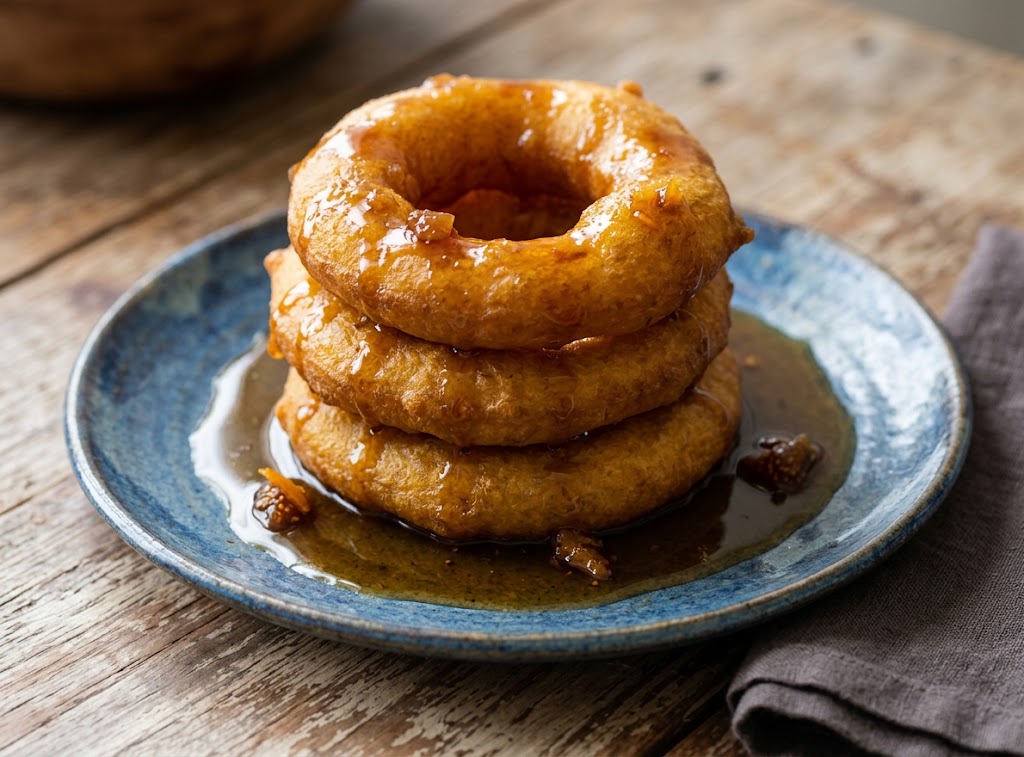
Picarones – Fried rings made from pumpkin and sweet potato dough, finished with a spiced sugar syrup. Think of them as Peru’s answer to doughnuts, minus the yeast and rising time.
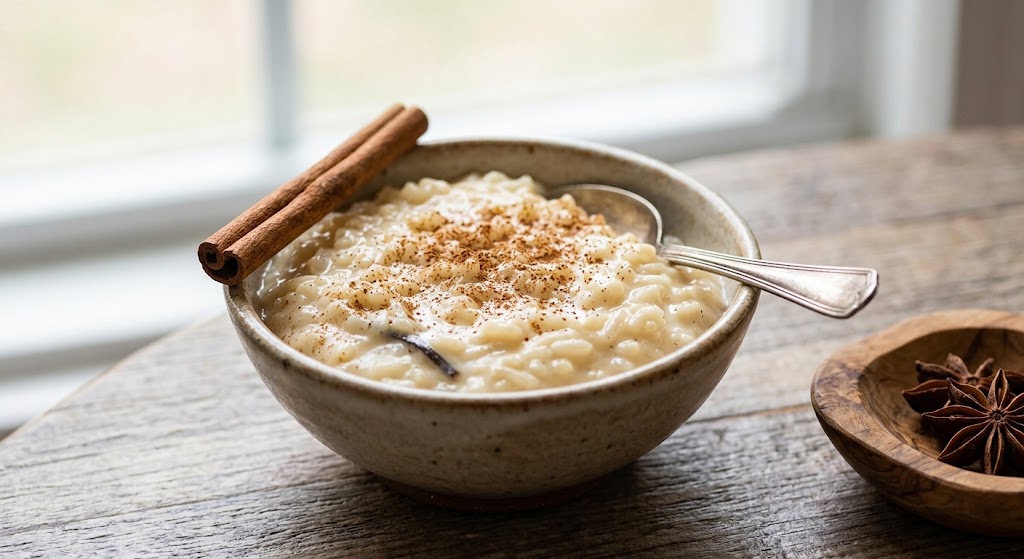
Arroz con Leche – Rice cooked slowly in milk with sugar and cinnamon until it turns into a creamy pudding. Serve it warm on a cold night or cold straight from the fridge — both work.
A Simple Step-by-Step Approach to Cooking Peruvian Food
You don’t need to master everything at once. Here’s a simple way to work through it if you’re just getting started.
Start with the basics. Ceviche, pollo a la brasa, and papa a la huancaína are good beginner dishes. Once you’re comfortable, move on to something like ají de gallina or causa rellena.
Use fresh ingredients. Fresh fish, herbs, and citrus make a real difference in how these dishes turn out. Don’t cut corners here if you can help it — this is where most of the flavor actually comes from.
Balance the four flavors. Peruvian cooking runs on spice (ají), sourness (lime or vinegar), savoriness (garlic, onion, meat), and freshness (herbs, vegetables). Taste as you go and adjust before you serve.
Prep before you cook. Chop, marinate, and boil what you can ahead of time. It makes the actual cooking part go a lot faster and a lot less stressful.
Don’t skip the sides. Rice, corn, and potatoes show up in almost every meal, and for ceviche, corn or sweet potato is close to non-negotiable.
A Weeknight Peruvian Meal Plan
If you want to ease into Peruvian cooking without overhauling your whole week, try something like this:
- Monday: Lomo saltado — fast, one pan, uses ingredients most people already have.
- Wednesday: Papa a la huancaína as a starter, paired with grilled chicken.
- Friday: Ceviche, since it’s the easiest dish on this list and perfect for a lighter end to the week.
- Weekend: Pollo a la brasa or seco de carne, since both benefit from a little extra time in the oven or on the stove.
This isn’t a strict rule, just a starting point if you’re not sure where to begin.
Tips for Getting Closer to Authentic Flavor
A few small habits make a noticeable difference in how close your food tastes to the real thing.
- Use fresh lime juice, not bottled. The taste really isn’t the same, and lime is used often enough in Peruvian cooking that it’s worth the extra step.
- Give marinated meats enough time. For dishes like anticuchos, an hour or more makes a real difference in both flavor and texture.
- Don’t overcook seafood. In ceviche, a few minutes in lime juice is all it needs. Any longer and the texture turns rubbery instead of tender.
- Make sauces fresh. Sauces like huancaína taste best blended right before serving rather than reheated the next day.
- Serve with traditional sides. Rice, potatoes, and a simple salad round out most Peruvian meals and make the plate feel complete.
Common Mistakes to Avoid
Even simple dishes can go wrong in small ways. Here’s what tends to trip people up.
- Overcooking seafood — a few minutes in lime juice is enough for ceviche. Longer isn’t better here.
- Adding too much chili too fast — start light and build up the heat gradually rather than dumping it all in at once.
- Skipping traditional ingredients — swapping out ají amarillo for something else changes the dish more than you’d expect.
- Rushing the marinade — meat needs time to properly absorb the flavor, especially for anticuchos and pollo a la brasa.
- Not tasting as you cook — Peruvian food depends on balance between spice, sour, and savory, so check the seasoning more than once.
How to Serve Peruvian Food
A few small touches make home-cooked Peruvian food feel like a real occasion instead of just another weeknight dinner.
- Sides: Rice and potatoes appear in almost every meal. A simple salad of lettuce, tomato, and onion works well alongside heavier dishes.
- Sauces: Keep sauces like huancaína or ají verde on the side so everyone at the table can add as much as they like.
- Drinks: Chicha morada, a spiced purple corn drink, and pisco sour are both popular choices. For something non-alcoholic, fresh limeade works just as well.
- Presentation: A little effort with garnish — fresh herbs, a few chili slices — makes even a simple plate feel special without much extra work.
Frequently Asked Questions
Is Peruvian food spicy?
Not usually. Most dishes use chili peppers for flavor rather than heat, and you can always adjust the amount to your own taste.
What’s the most popular Peruvian dish?
Ceviche, by a wide margin. It’s often called Peru’s national dish. Lomo saltado and pollo a la brasa are close behind.
Can beginners cook Peruvian food?
Yes. Dishes like papa a la huancaína, ceviche, and arroz chaufa are simple enough for a first attempt, even if you don’t cook often.
What ingredients should I keep on hand?
Ají amarillo, ají panca, lime juice, potatoes, corn, cilantro, and rice or beans will cover most of the recipes in this guide.
Can I substitute ingredients if I can’t find the real thing?
Yes. Mild chilies or paprika can stand in for ají peppers, and lemon works if you don’t have lime. It won’t be identical, but it’ll still taste good.
How long does it take to learn Peruvian cooking?
Not as long as you’d think. Most of the recipes here take under an hour, and once you understand the flavor balance, you can start adjusting dishes to your own taste.
Final Thoughts
Peruvian food brings together centuries of history on one plate — Indigenous roots mixed with Spanish, African, and Asian influences. From the freshness of ceviche to the comfort of ají de gallina, it’s a cuisine that’s easy to fall for once you actually try it.
You don’t need to be an expert to make it work at home. With a few fresh ingredients, a short pantry list, and a bit of patience, you can bring real Peruvian flavor into your kitchen, whether it’s a quick weeknight dinner or something worth celebrating. Pick one recipe from this list and start there. The rest wi