
If you enjoy a good bowl of seafood soup, this peruvian fish soup recipe is worth adding to your kitchen list. In Peru, one of the most loved seafood soups is called Parihuela. It is made with fresh fish, shrimp, squid, mussels, and a rich broth that gets its flavor from onion, garlic, tomato, ají amarillo, and ají panca. The soup is warm, filling, and full of the fresh flavors you would expect from Peru’s Pacific coast. You do not need a huge selection of seafood to make it. A few fresh ingredients, a good broth, and the right cooking order are enough to make a really satisfying bowl at home.
What Is Peruvian Fish Soup?
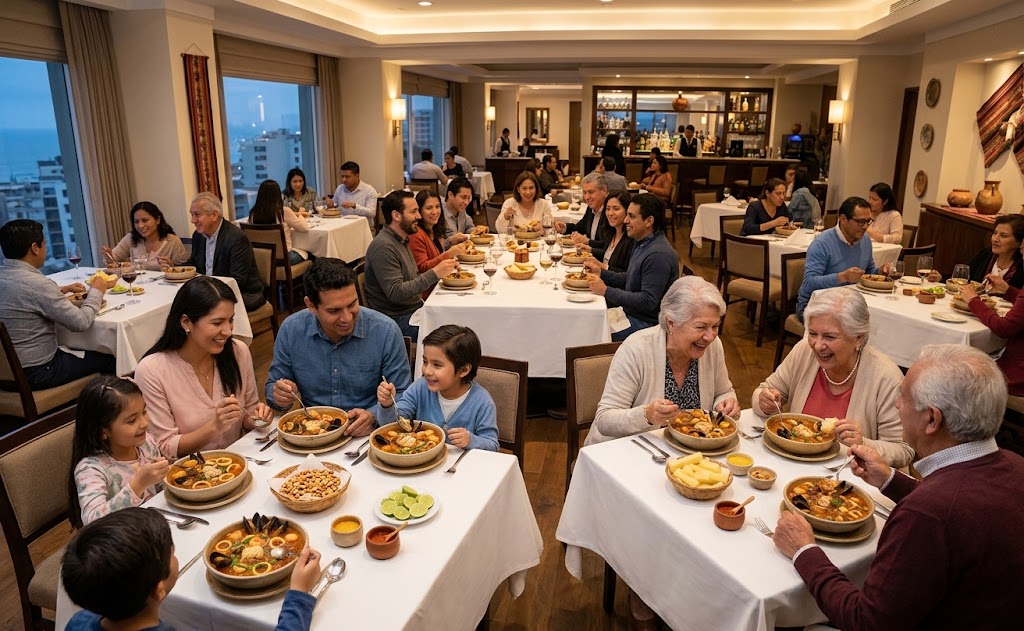
Peruvian fish soup has several regional versions, but Parihuela is probably the one most people think of when talking about a hearty Peruvian seafood soup. It is not a thin soup where a few pieces of fish float in broth. A proper Parihuela is generous with seafood and has a broth with plenty of flavor.
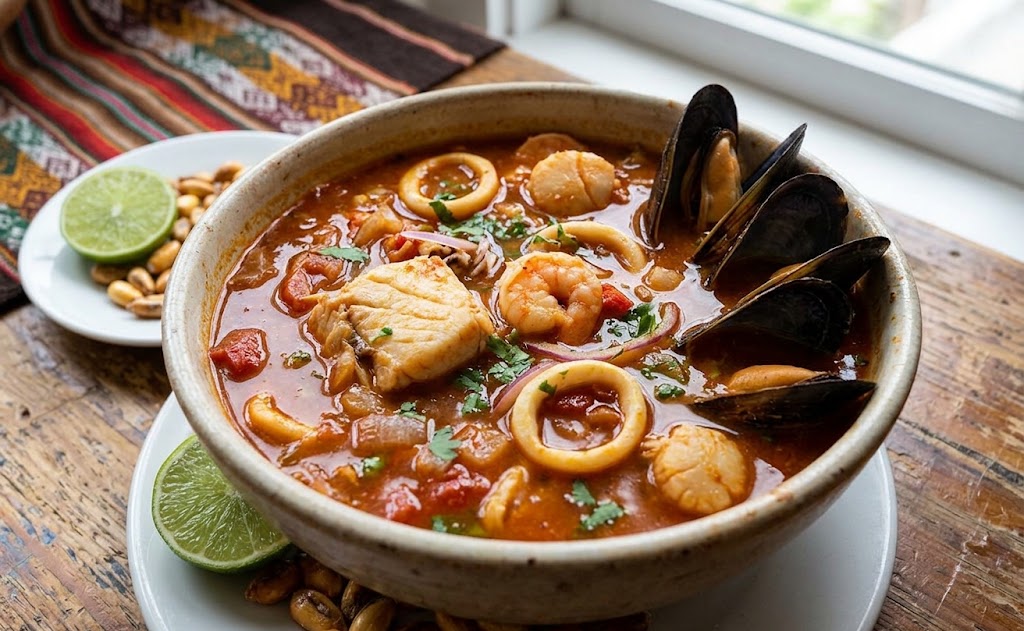
The dish comes from Peru’s coastal food culture, where fresh fish and shellfish have always played an important role. Recipes vary from one cook to another. Some people use shrimp, squid, and mussels, while others add crab, scallops, clams, or octopus.
What stays the same is the idea behind the dish: make a flavorful seafood broth, build a tasty Peruvian-style base, and then cook the seafood carefully so it stays tender.
That last part matters more than it may seem. Seafood cooks quickly, and leaving it in the pot for too long can turn a great soup into a chewy one.
Why You’ll Enjoy This Peruvian Seafood Soup Recipe
There is something very comforting about a bowl of hot seafood soup. This recipe is especially nice when you want a meal that feels special without spending hours in the kitchen.
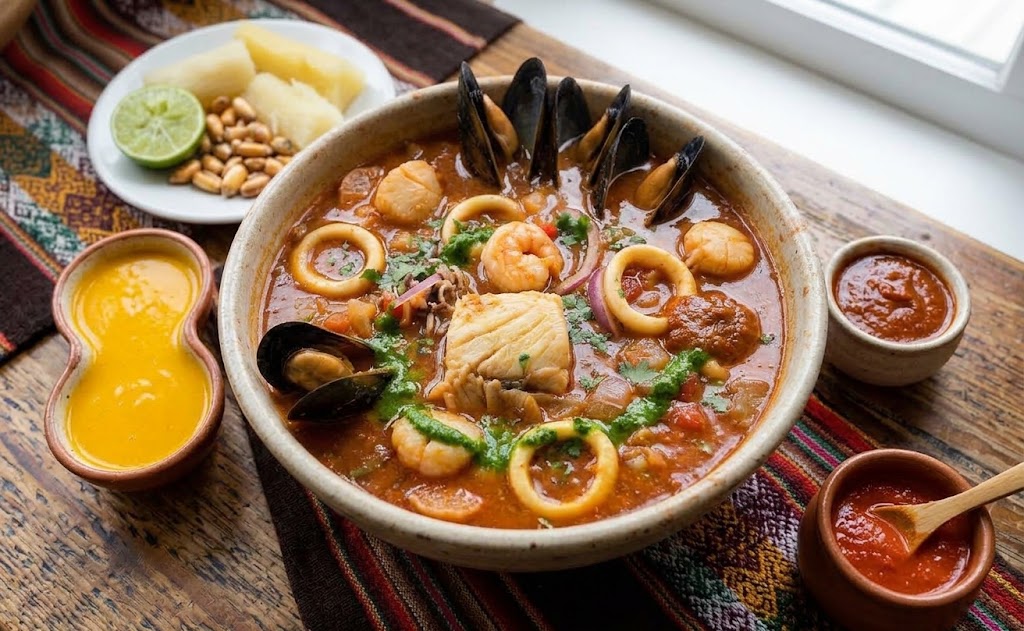
Here are a few things that make it stand out:
- The broth has a deep seafood flavor.
- Different types of seafood give the soup interesting textures.
- Ají amarillo adds a gentle Peruvian heat.
- Ají panca gives the broth color and a mild smoky taste.
- Fresh lime cuts through the richness.
- You can change the seafood depending on what you find.
- It works well for a family dinner or a weekend meal.
You can also prepare the broth earlier in the day, which makes the final cooking much easier.
Ingredients You Need
The recipe below makes about 4 to 6 servings.
For the Fish Broth
- 1½ pounds fish heads and bones
- 1 small onion, roughly chopped
- 2 garlic cloves
- 1 celery stalk
- 1 small carrot
- 1 bay leaf
- 6 cups water
- A few black peppercorns
- Salt to taste
Fish heads and bones are ideal because they give the broth plenty of flavor. If you cannot get them, a good-quality fish stock is a perfectly reasonable shortcut.
For the Soup
- 1 pound firm white fish, cut into medium pieces
- ½ pound shrimp, peeled and deveined
- ½ pound squid, cleaned and sliced into rings
- ½ pound mussels, cleaned
- ¼ pound scallops, optional
- 1 medium red onion, finely chopped
- 3 garlic cloves, minced
- 2 tablespoons ají panca paste
- 1 tablespoon ají amarillo paste
- 2 medium tomatoes, finely chopped
- 2 tablespoons tomato paste
- ½ cup dry white wine
- 1 tablespoon vegetable oil
- ½ teaspoon ground cumin
- Salt and black pepper
- ¼ cup chopped fresh cilantro
- Juice of 1 lime
- Rocoto, optional
You do not have to use every seafood item on this list. If scallops are expensive or mussels are not available, simply leave them out. Fish, shrimp, and squid are enough to make a delicious soup.
How to Make This Peruvian Fish Soup Recipe
The recipe has a few stages, but none of them are difficult. The main thing is to prepare everything before you start cooking.
Step 1: Prepare the Seafood
Start by cleaning and cutting the seafood.
Cut the white fish into pieces that are large enough to stay together during cooking. If the pieces are too small, they can break apart in the broth.
Peel and devein the shrimp. Clean the squid carefully and slice it into rings. Scrub the mussels and remove any broken ones. If you are using scallops, rinse them and keep them chilled.
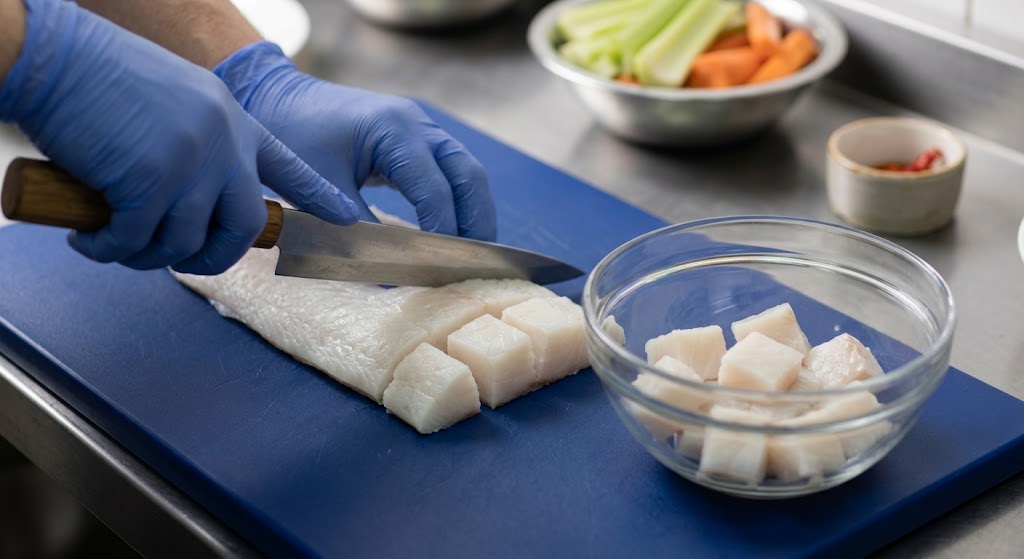
Once everything is ready, put the seafood in the refrigerator while you prepare the broth.
This small bit of preparation makes the actual cooking much easier because you will not have to stop halfway through the recipe to clean seafood.
Step 2: Make the Fish Broth
Put the fish heads and bones into a large pot.
Add the onion, garlic, celery, carrot, bay leaf, peppercorns, and water. Bring the pot to a boil over medium-high heat.
As the broth heats up, you may see some foam appear on the surface. Scoop it out with a spoon.
Once the water starts boiling, lower the heat. Let the broth gently simmer for about 25 to 30 minutes.
There is no need for a hard boil. A gentle simmer is enough to pull flavor from the fish bones without making the broth cloudy or harsh.
When the broth tastes rich and smells strongly of fish, turn off the heat. Strain it carefully through a fine strainer and discard the bones and vegetables.
Keep the broth hot.
If you have made the broth ahead of time, let it cool, refrigerate it, and warm it again before continuing with the recipe.
Step 3: Cook the Onion and Garlic
Now take a large, deep pot. This will eventually hold all the broth and seafood, so use one with plenty of room.
Add the oil and heat it over medium heat.
Add the chopped red onion. Cook for around 5 minutes, stirring from time to time. You want the onion soft and slightly translucent, not deeply browned.
Add the garlic and cook for another minute.
At this point, the kitchen should already smell good. Garlic and onion form the base of many Peruvian dishes, and they give the soup a nice savory start.
Step 4: Add the Peruvian Chiles and Tomato
Add the ají panca and ají amarillo pastes to the pot.
Stir them into the onion and garlic and cook for about 2 minutes.
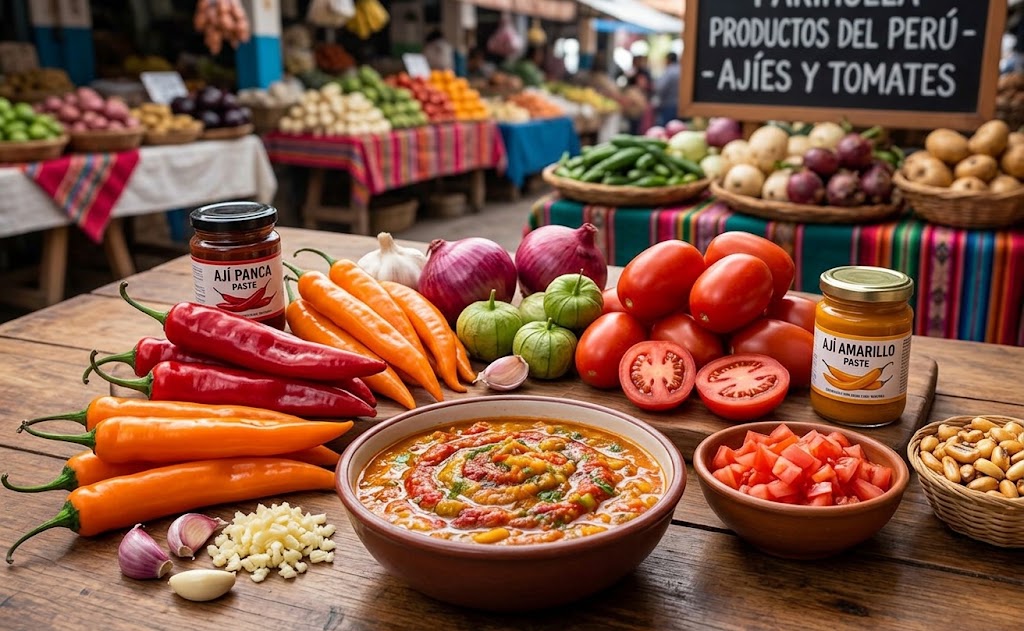
Then add the chopped tomatoes and tomato paste.
Cook the mixture for another 5 minutes. Stir occasionally until the tomatoes soften and everything comes together into a thick, fragrant mixture.
Add cumin, black pepper, and a little salt.
Be careful with the salt at this stage. You can always add more later, especially because the seafood and fish stock will also add their own flavor.
If you have never cooked with ají amarillo before, this is one of the ingredients that gives the soup its unmistakable Peruvian touch. It has heat, but it also has a fruity flavor that works surprisingly well with seafood.
Step 5: Add the Fish Broth
Slowly pour the warm fish broth into the pot.
Stir well, scraping the bottom gently so all the cooked onion and tomato mixture becomes part of the broth.
Add the white wine and bring everything to a gentle simmer.
Let it cook for about 8 to 10 minutes.
Taste the broth.
This is the best time to fix the seasoning. If it needs more salt, add some. If you want more heat, you can add a little extra ají amarillo or chopped rocoto.
The broth should already taste good before you add the seafood. If it tastes flat, give it another few minutes rather than trying to fix everything at the end.
Step 6: Add the Fish and Squid
Once the broth is ready, gently add the pieces of white fish and squid.
Let them cook for about 3 to 4 minutes.
Try not to stir the pot too aggressively. Fish can break apart easily, especially once it starts becoming tender.
A gentle stir is enough to make sure the pieces are covered with broth.
Step 7: Add the Mussels and Shrimp
Now add the mussels and shrimp.
Cover the pot and let everything cook for a few more minutes.
The shrimp will change from gray to pink as they cook. The mussels should open.
Check the pot rather than relying only on the clock. Seafood sizes vary, so cooking time can change slightly.
If a mussel remains closed after cooking, discard it rather than trying to open it.
Step 8: Add Scallops at the End
If you are using scallops, add them during the final few minutes.
Scallops do not need much cooking. They should be just firm and tender in the middle.
This is also a good example of why seafood should not all go into the pot together. Fish, shrimp, squid, mussels, and scallops all behave differently when cooked.
Taking a little extra care here makes a big difference to the final texture.
Step 9: Finish With Lime and Cilantro
Once all the seafood is cooked, turn off the heat.
Add the chopped cilantro and fresh lime juice.
Give the soup a gentle stir and taste it one last time.
Add more salt, pepper, or lime if needed.
If you like a spicy bowl, add a little finely chopped rocoto.
The lime should give the broth a fresh finish without making it taste sour. Start with a small amount and add more only if you think it needs it.
How to Serve Peruvian Seafood Soup
Parihuela is best served immediately while it is steaming hot.
Ladle plenty of broth into large bowls and make sure each person gets a good mix of fish and seafood.
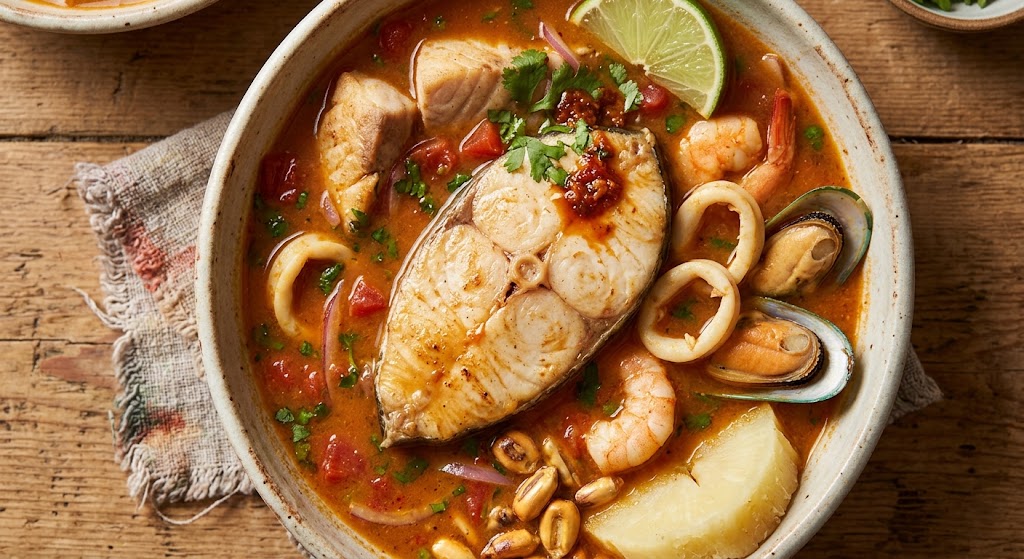
Add some fresh cilantro on top and place lime wedges on the side.
For a more traditional-style meal, you can serve it with boiled yuca and cancha. Some people also enjoy crusty bread because it is perfect for soaking up the remaining broth.
Keep extra rocoto or a spicy sauce on the table for anyone who wants more heat.
What Fish Works Best?
A firm white fish is your safest choice.
Good options include:
- Corvina
- Sea bass
- Snapper
- Cod
- Halibut
- Grouper
The fish does not have to be a specific Peruvian variety. The important thing is that it is fresh and firm enough to hold its shape in the soup.
Avoid fish that becomes very soft as soon as it is cooked. It can fall apart before the other seafood is ready.
What Seafood Can You Use?
One of the nice things about Parihuela is that there is no single seafood list that everyone has to follow.
Depending on what is available, you can use:
- Shrimp
- Prawns
- Squid
- Mussels
- Scallops
- Crab
- Clams
- Octopus
- White fish
If you are cooking for a large group, adding several types of seafood makes the soup look impressive.
For a normal family dinner, however, there is no need to buy ten different ingredients. A combination of fish, shrimp, squid, and mussels is more than enough.
Tips for a Better Peruvian Fish Soup
Make the Broth Properly
The broth carries most of the flavor, so do not treat it as an afterthought. Fish bones and heads can make a surprisingly rich stock.
Prepare Everything First
Have your seafood cleaned and your vegetables chopped before you start. Once the broth is ready, the seafood cooks quickly.
Keep the Soup at a Gentle Simmer
A violent boil can break the fish and make the seafood tough.
Do Not Overcook Shrimp
Shrimp only need a few minutes. Once they are pink and firm, they are usually ready.
Watch the Squid
Squid can become chewy if it sits in the pot too long. Keep the cooking time short.
Taste the Broth More Than Once
Taste after adding the fish stock and again before serving. This makes it much easier to control the salt and spice.
Use Fresh Lime
Bottled lime juice can work in an emergency, but fresh lime gives the soup a cleaner and brighter taste.
Can You Use Frozen Seafood?
Yes, and there is nothing wrong with doing so.
Fresh seafood is excellent when you can get it, but frozen seafood can be useful when certain ingredients are unavailable.
Thaw frozen seafood in the refrigerator rather than leaving it on the counter. Once thawed, drain it well and pat it dry.
Mixed frozen seafood can also be used, but check the package to see whether any of the seafood is already cooked. Pre-cooked seafood needs very little time in the soup.
Can You Make It Without Ají Amarillo?
You can, although the flavor will change.
Ají amarillo is one of the ingredients that gives this soup its Peruvian identity. If you cannot find it, you can use a mild yellow chili paste as a substitute.
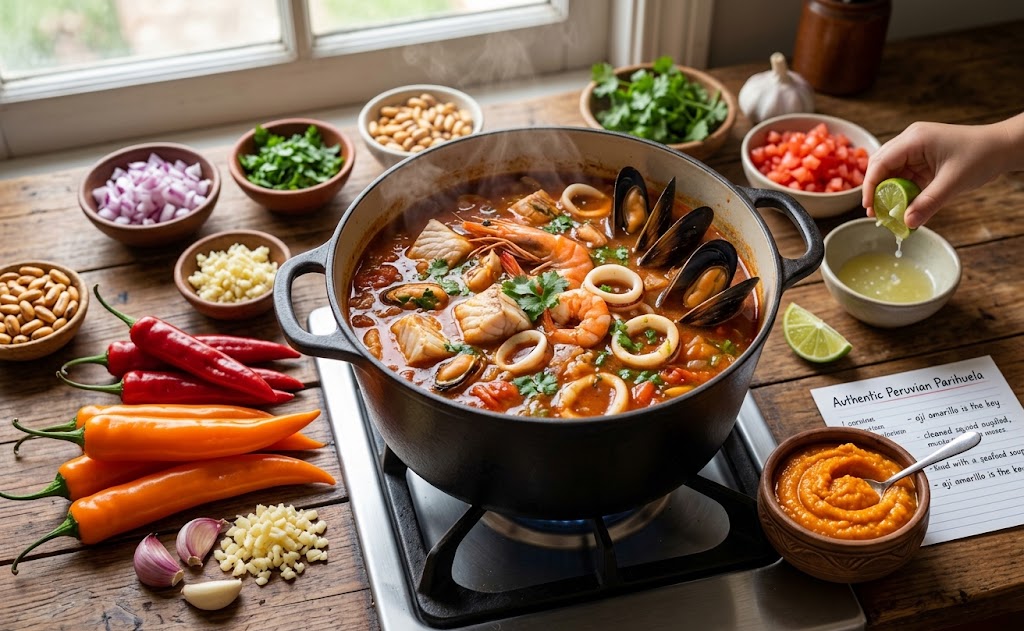
Do not replace it with a very hot chili unless you actually want a much spicier soup.
Ají panca is also useful for the deeper color and flavor of the broth. If you cannot find either paste, you can still make the soup, but it will be more of a Peruvian-inspired fish soup than a traditional-style Parihuela.
Common Mistakes to Avoid
The most common problem with seafood soup is overcooking.
Putting every ingredient into the pot at the same time may seem easier, but the seafood will not finish at the same time. By the time the fish is cooked, the shrimp and squid may already be too firm.
Another mistake is using a weak broth. If the stock tastes like plain water, the finished soup will probably taste flat too.
It is also worth taking care with the spice. Ají amarillo and rocoto have very different levels of heat, and you can always add more later.
Finally, do not add a large amount of lime at once. A little acidity can make the soup come alive, but too much can hide the flavor of the fish.
How to Store Leftover Soup
This soup is best eaten fresh, but leftovers can be refrigerated.
Allow the soup to cool and transfer it to an airtight container. Refrigerate it promptly and use it within a short period.
When reheating, warm it gently over medium-low heat. There is no need to bring it to a rolling boil.
If you know you are preparing the soup in advance, the better option is to make the fish broth and the vegetable base ahead of time. Then add fresh seafood when you are ready to eat.
That way, you get better texture and avoid reheating the seafood several times.
What Makes Peruvian Seafood Soup Different?
Peruvian seafood cooking is strongly connected to the Pacific coast, and that influence is easy to taste in Parihuela.
The soup brings together seafood with ingredients that are common in Peruvian cooking, especially ají amarillo, ají panca, garlic, onion, tomato, cilantro, and lime.
The result is not simply a bowl of fish stock with seafood added to it. The broth has layers of flavor, while the seafood makes it hearty enough to serve as a complete meal.
It is also a flexible dish. A home cook can use whatever fresh seafood is available without losing the basic idea behind the recipe.
That makes Parihuela a particularly useful dish to learn if you want to explore Peruvian cooking at home.
Easy Peruvian Fish Soup Recipe Card
Prep time: 25 minutes
Cook time: 40 minutes
Total time: About 1 hour 5 minutes
Servings: 4–6
Cuisine: Peruvian
Course: Main dish
Difficulty: Medium
Ingredients
- 1½ pounds fish heads and bones
- 1 pound firm white fish
- ½ pound shrimp
- ½ pound squid
- ½ pound mussels
- ¼ pound scallops, optional
- 1 red onion
- 3 garlic cloves
- 2 tomatoes
- 2 tablespoons ají panca paste
- 1 tablespoon ají amarillo paste
- 2 tablespoons tomato paste
- ½ cup dry white wine
- 6 cups water or fish stock
- 1 tablespoon oil
- ½ teaspoon cumin
- Salt and black pepper
- Fresh cilantro
- 1 lime
- Rocoto, optional
Instructions
- Make the fish broth by simmering the fish heads and bones with onion, garlic, celery, carrot, bay leaf, pepper, and water for 25 to 30 minutes.
- Strain the broth and keep it warm.
- Heat oil in a large pot and cook the chopped onion until soft.
- Add garlic, ají panca, and ají amarillo and cook for 2 minutes.
- Add tomatoes and tomato paste and cook until the tomatoes soften.
- Pour in the fish broth and white wine.
- Simmer for 8 to 10 minutes and adjust the seasoning.
- Add the white fish and squid and cook gently for a few minutes.
- Add shrimp and mussels and continue cooking until the seafood is done.
- Add scallops during the final few minutes if using.
- Turn off the heat and add cilantro and fresh lime juice.
- Taste and adjust salt, pepper, and spice.
- Serve hot with extra lime and rocoto.
Frequently Asked Questions
What is Peruvian fish soup called?
Parihuela is one of the best-known traditional Peruvian fish and seafood soups. It is made with a flavorful broth and a mixture of fish and shellfish.
What seafood is used in Peruvian seafood soup?
Fish, shrimp, squid, and mussels are popular choices. You can also add scallops, crab, clams, or octopus depending on what is available.
Is Parihuela very spicy?
It does not have to be. Ají amarillo gives some heat and flavor, while rocoto can make the soup much hotter. Start with a small amount if you are unsure about the spice level.
What fish is best for Parihuela?
Firm white fish is best because it holds together in the broth. Sea bass, corvina, snapper, cod, grouper, and halibut are good choices.
Can I use frozen seafood?
Yes. Thaw it completely, drain it well, and check whether any of the seafood has already been cooked.
Can I make the fish broth ahead?
Yes. The broth can be prepared in advance and refrigerated. Warm it before continuing with the recipe.
What should I serve with Peruvian fish soup?
Lime, cilantro, rocoto, boiled yuca, cancha, and crusty bread all work well with the soup.
How do I keep the seafood tender?
The key is to avoid overcooking it. Add the seafood in stages and turn off the heat as soon as everything is properly cooked.
Final Thoughts
A good peruvian fish soup recipe is all about the broth, fresh seafood, and simple Peruvian flavors. Parihuela may look like a restaurant-style dish, but it is quite manageable once you break the process into a few steps. Making the fish broth takes the most time, while the seafood itself cooks quickly.
You can keep the recipe simple with fish, shrimp, and squid, or make it more generous with mussels, scallops, crab, or other shellfish. Finish the soup with fresh cilantro and lime, serve it hot, and you have a comforting meal with a real connection to Peru’s coastal food tradition.
If you are exploring Peru seafood for the first time, Parihuela is a great place to start. It is flavorful without being complicated, flexible enough for home cooking, and satisfying enough to turn a regular seafood dinner into something special.

1 Comment
Pingback: Sopa Criolla Recipe: Authentic Peruvian Comfort Soup