
Peruvian Chinese food is one of the most interesting parts of Peru’s food culture. Known as Chifa, this cuisine brings together Chinese cooking traditions and Peruvian ingredients to create dishes with rich flavors and a unique character. From fried rice and stir-fried noodles to beef dishes cooked in a hot wok, Chifa has become a favorite part of everyday dining in Peru.
The story behind this food goes back to the 19th century, when Chinese immigrants arrived in Peru and brought their cooking traditions with them. As they settled in the country, they began adapting familiar recipes to local ingredients and tastes. Over time, these changes created a new style of cooking that became known as Chifa.
Today, you can find Chifa restaurants throughout Peru, especially in Lima. Dishes such as Arroz Chaufa, Tallarin Saltado, and Lomo Saltado show how Chinese cooking methods became part of Peruvian cuisine.
Whether you are learning about Peru’s food history or looking for new meals to prepare at home, this guide explains what makes Chifa special, its history, popular dishes, and simple cooking tips.
What Is Peruvian Chinese Food?
Peruvian Chinese food, commonly known as Chifa, is a style of cooking that combines Chinese culinary traditions with Peruvian ingredients and flavors.
The word Chifa is commonly linked to the Cantonese expression for eating rice. In Peru, the name became associated with Chinese-Peruvian restaurants and the food they served.
Chifa cooking uses familiar Chinese techniques, especially stir-frying in a wok. However, the dishes have developed their own identity through the use of local ingredients, sauces, vegetables, and Peruvian cooking traditions.
Some common ingredients include:
- Soy sauce
- Fresh garlic
- Ginger
- Green onions
- White rice
- Noodles
- Chicken and beef
- Fresh vegetables
- Peruvian peppers
These ingredients are combined in different ways to create meals that are flavorful and filling.
One of the best examples is Arroz Chaufa. It is a Peruvian-style fried rice dish prepared with cooked rice, eggs, soy sauce, green onions, and a choice of meat or seafood.
Another popular example is Tallarin Saltado, which combines noodles with vegetables and stir-fried meat.
Chifa is more than simply Chinese food prepared in Peru. It represents the way two culinary traditions came together and developed something new.
History of Chinese Influence in Peruvian Food
The history of Chifa cuisine began during the 19th century, when Chinese immigrants started arriving in Peru.
Many came as laborers and worked on plantations and in other industries. They brought their food traditions, cooking knowledge, and familiar ingredients with them.
However, cooking in a new country meant adapting to different ingredients. Some foods they had used in China were difficult to find, so they began using products available in Peru.
This encouraged the development of new recipes that combined Chinese cooking methods with local ingredients.
How Chinese Immigrants Influenced Peruvian Cuisine
Chinese immigrants introduced cooking techniques that gradually became familiar in Peruvian kitchens.
Stir-frying was particularly important. It allowed cooks to prepare meat and vegetables quickly over high heat while keeping their flavors and textures.
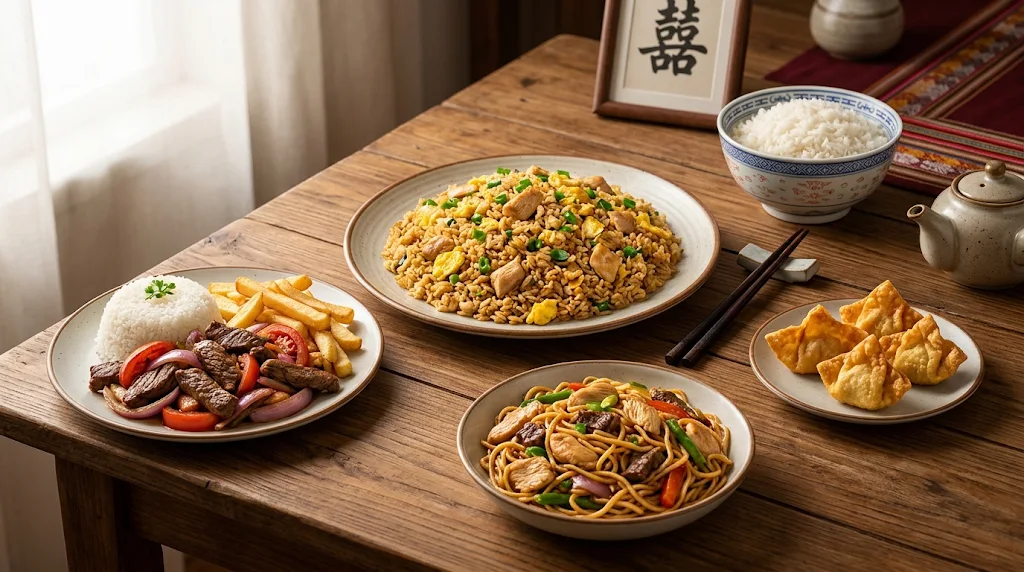
Rice, noodles, soy sauce, garlic, and ginger also became important ingredients in many Chinese-Peruvian dishes.
As Chinese communities grew, small restaurants and food businesses began serving these meals to a wider audience.
Over time, more Peruvians started enjoying this food, and Chinese-style restaurants became an important part of the country’s dining culture.
The Growth of Chifa Restaurants
Chifa restaurants helped bring Chinese-Peruvian cooking into everyday life.
They offered a variety of rice dishes, noodles, soups, meat preparations, and other meals. Many restaurants served generous portions that families and groups could share.
Lima became an important center for Chifa dining, although these restaurants can now be found in many parts of Peru.
Today, Chifa is not simply a type of restaurant food. It is an established part of Peruvian food culture, enjoyed by people from different backgrounds.
Key Features of Peruvian Chinese Cuisine
Chifa cooking has several features that make it different from other types of Peruvian food.
Although every restaurant and family may have its own recipes, some ingredients and cooking methods appear regularly.
1. Fresh and Simple Ingredients
Chifa dishes often use everyday ingredients such as rice, noodles, eggs, chicken, beef, and vegetables.
Garlic and ginger provide aroma, while soy sauce gives many dishes their familiar savory flavor.
Peruvian ingredients also play an important role. Local vegetables and peppers help create flavors that are different from traditional Chinese dishes.
2. Cooking in a Hot Wok
A wok is one of the most important tools in Chifa cooking.
Its shape makes it useful for stir-frying ingredients over high heat. Meat, vegetables, and other ingredients can be cooked quickly while being moved around the pan.
This cooking method helps develop a lightly smoky flavor and keeps vegetables from becoming too soft.
3. Rice and Noodles
Rice and noodles are common parts of Chifa meals.
Rice is used in dishes such as Arroz Chaufa, while noodles are the main ingredient in Tallarin Saltado.
Both can be combined with meat, eggs, vegetables, and sauces to create satisfying meals.
4. Balanced Flavors
Chifa dishes often combine salty, savory, and slightly sweet flavors.
Soy sauce provides saltiness, garlic and ginger add depth, and fresh vegetables bring different textures.
Some dishes also include Peruvian peppers for additional flavor and heat.
This balance is one reason Chifa food appeals to so many people.
Popular Traditional Chifa Dishes
Peruvian Chifa cuisine offers a wide variety of meals. Some are based on rice, while others use noodles, meat, vegetables, or seafood.
Here are some of the dishes worth knowing.
1. Arroz Chaufa
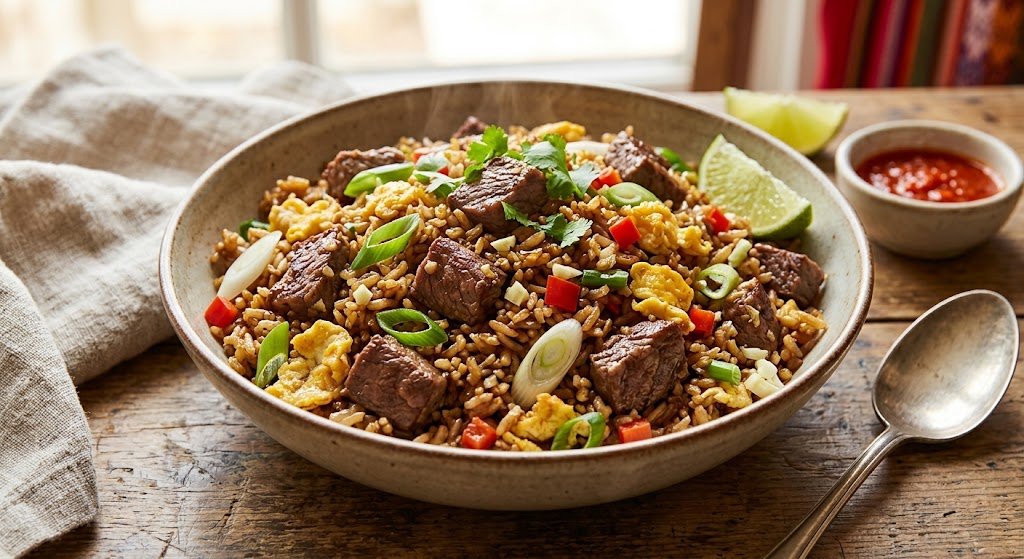
Arroz Chaufa is one of the best-known dishes in Chifa cuisine.
It is Peru’s version of Chinese-style fried rice and is commonly prepared with cooked white rice, eggs, green onions, soy sauce, and meat.
Chicken is a popular choice, but beef, pork, shrimp, and seafood can also be used.
The ingredients are cooked quickly in a hot wok or large frying pan. This helps the rice absorb the seasoning while keeping the grains separate.
Every cook may have a slightly different version, which makes this dish easy to adapt at home.
If you want to prepare it yourself, try our authentic Arroz Chaufa recipe, which includes measured ingredients and step-by-step instructions.
2. Lomo Saltado
Lomo Saltado is another famous Peruvian dish that shows the influence of Chinese stir-frying techniques.

It is usually made with beef strips, red onions, tomatoes, garlic, soy sauce, and vinegar.
The ingredients are cooked quickly over high heat to create a flavorful sauce. French fries are added or served alongside the beef, and the dish is usually accompanied by white rice.
The combination of beef, vegetables, fries, and rice gives Lomo Saltado its distinctive character.
Although it is often discussed alongside Chifa dishes, it is also recognized as a classic Peruvian dish with Chinese culinary influence.
You can make it at home using our authentic Lomo Saltado recipe.
3. Tallarin Saltado
Tallarin Saltado is a popular noodle dish prepared with stir-fried noodles, meat, onions, tomatoes, and sauces.
It shares some similarities with Chinese noodle dishes, but its flavor reflects the ingredients and cooking preferences found in Peru.
Chicken and beef are common choices, although seafood and vegetable versions are also possible.
The noodles are cooked with the other ingredients in a hot pan, allowing them to absorb the sauce and seasoning.
4. Wantan Frito
Wantan Frito is the Peruvian version of fried wontons.
These small pastries are filled with a mixture that often includes seasoned meat. They are folded into small shapes and fried until golden and crispy.
They are commonly served as a starter or snack and may be accompanied by a sweet or savory dipping sauce.
Their crisp outside and flavorful filling make them a popular choice in many Chifa restaurants.
5. Sopa Wantán
Sopa Wantán is a comforting soup made with wontons in a light broth.

The wontons are usually filled with seasoned meat and cooked in the soup until tender.
Depending on the restaurant, the broth may also include vegetables, noodles, or pieces of chicken.
It is often enjoyed as a starter, especially during cooler weather.
6. Chi Jau Kay
Chi Jau Kay is a popular Chifa-style chicken dish.
It generally features cooked chicken served with a savory sauce, although preparation and presentation can vary between restaurants.
The combination of tender chicken and rich seasoning makes it a favorite for people who enjoy Chinese-Peruvian restaurant food.
These dishes represent only part of the variety available in Chifa restaurants. Many establishments have their own specialties and family recipes.
How to Make Peruvian Chinese Food at Home
You do not need a professional kitchen to enjoy Chifa flavors. Many dishes can be prepared using a regular frying pan or wok.
The most important things are preparing your ingredients before cooking, using the right heat, and adding sauces in the correct amounts.
Easy Chifa Recipes for Beginners
If you are new to this style of cooking, start with simple fried rice or stir-fried noodles.
Arroz Chaufa is a good first choice because it uses familiar ingredients and does not require complicated preparation.
You can also make a basic noodle stir-fry using chicken, vegetables, garlic, ginger, and soy sauce.
Once you understand how these ingredients work together, you can experiment with different meats and vegetables.
Basic Ingredients for Homemade Chifa Cooking
Keep these ingredients available if you want to prepare Chifa-style meals regularly:
- Cooked white rice
- Noodles
- Eggs
- Chicken or beef
- Soy sauce
- Fresh garlic
- Ginger
- Green onions
- Carrots
- Bell peppers
- Vegetable oil
You do not need to use everything in every recipe. Choose ingredients based on the dish you are preparing.
How to Get the Best Flavor
Start by preparing and cutting all your ingredients.
Heat your wok or frying pan before adding the oil. Cook the meat first, then remove it and prepare the vegetables.
Add garlic and ginger carefully so they release their aroma without burning.
Return the cooked meat to the pan and add the rice or noodles. Finish with soy sauce and green onions.
Cooking in small batches can help prevent the ingredients from becoming soggy.
Cooking Techniques Used in Chifa Cuisine
The cooking method is just as important as the ingredients in Chifa dishes.
Stir-Frying
Stir-frying is one of the most common techniques.
Ingredients are cooked quickly over high heat while being moved around the pan. This method is useful for rice, noodles, meat, and vegetables.
Cooking in Small Batches
Putting too many ingredients into one pan can lower its temperature.
Instead, cook the meat and vegetables in smaller portions when necessary. This helps them brown properly instead of releasing too much moisture.
Preparing Ingredients Before Cooking
Chifa cooking can be quick, so preparation is important.
Cut the vegetables, measure the sauces, and prepare the meat before turning on the stove.
Once cooking starts, everything should be within reach.
Adding Seasoning at the Right Time
Garlic, ginger, soy sauce, and green onions should be added at suitable stages.
Garlic and ginger are usually added early to build flavor, while green onions can be added toward the end to keep their fresh taste.
Avoid adding too much soy sauce at once. Taste the food first and adjust the seasoning as needed.
Famous Chifa Restaurants in Peru
Chifa restaurants are an important part of Peru’s food scene.
In Lima, you can find everything from small neighborhood restaurants to more established dining places that specialize in Chinese-Peruvian cooking.
Many restaurants offer extensive menus with fried rice, noodle dishes, soups, wontons, chicken, and seafood.
One reason people enjoy Chifa restaurants is that the food is often served in generous portions. Several dishes can be ordered and shared among family members or friends.
The dining experience is usually relaxed, making Chifa a popular choice for everyday lunches, family dinners, and special gatherings.
Although Lima has a strong Chifa restaurant culture, you can also find these restaurants in other Peruvian cities.
Peruvian Chinese Food vs. Traditional Chinese Food
Peruvian Chinese food and traditional Chinese food share some cooking techniques and ingredients, but they are not the same.
The main difference is how each cuisine developed and the ingredients used in its dishes.
Traditional Chinese cooking includes many regional styles. Ingredients, flavors, and preparation methods can vary greatly between different parts of China.
Chifa, on the other hand, developed in Peru through the combination of Chinese culinary traditions and local food ingredients.
For example, Peruvian Chifa commonly uses ingredients such as:
- Peruvian peppers
- Local vegetables
- Beef and chicken
- White rice
- Soy sauce
- French fries in certain dishes
Cooking methods such as stir-frying are common to both cuisines, but the final dishes often have different flavors and presentations.
Arroz Chaufa is a good example. It is based on Chinese-style fried rice but has developed into a distinctly Peruvian dish.
Lomo Saltado is another example of how Chinese cooking techniques became part of Peruvian food culture.
Rather than treating one cuisine as a copy of the other, it is better to understand Chifa as its own food tradition.
Why Is Chifa Cuisine So Popular in Peru?
Chifa has become popular because it offers variety, familiar ingredients, and satisfying meals.
One reason is the wide choice of dishes. People can order fried rice, noodles, soups, meat dishes, and vegetable preparations depending on what they enjoy.
Another reason is its place in everyday dining. Chifa restaurants are found in many neighborhoods, making them convenient for families and groups.
The dishes are also easy to share. Friends and family can order several different meals and enjoy them together.
Most importantly, Chifa represents an important part of Peru’s cultural history. It shows how Chinese immigrants brought their food traditions to a new country and how those traditions developed through local ingredients and cooking styles.
Today, Chifa is enjoyed by people across Peru and continues to be an important part of the country’s food identity.
Tips for Cooking Peruvian Asian Fusion Recipes at Home
If you want to bring Chifa flavors into your kitchen, a few simple habits can make your cooking better.
1. Use cold rice for fried rice. Refrigerated rice is usually firmer and easier to separate than freshly cooked rice.
2. Prepare everything first. Chop vegetables, cut the meat, and measure sauces before heating the pan.
3. Use a hot pan. A properly heated wok or large frying pan helps ingredients cook quickly.
4. Avoid overcrowding. Cook in batches when necessary to prevent the ingredients from steaming.
5. Do not overcook vegetables. They should remain slightly crisp in most stir-fried dishes.
6. Balance the seasoning. Soy sauce is salty, so add it gradually and taste as you cook.
7. Experiment with different ingredients. Try chicken, beef, shrimp, pork, or vegetables depending on your preferences.
8. Start with simple recipes. Learn to prepare Arroz Chaufa before moving on to more complicated dishes.
For more meal ideas, explore our guide to the most popular Peruvian dishes. You can also find more inspiration in our collection of easy Peruvian food recipes.
Frequently Asked Questions About Peruvian Chinese Food
1. What is Peruvian Chinese food called?
Peruvian Chinese food is commonly called Chifa. It combines Chinese cooking traditions with Peruvian ingredients and flavors.
2. Where did Chifa cuisine originate?
Chifa developed in Peru through the influence of Chinese immigrants who brought their food traditions to the country during the 19th century.
3. What is the most popular Chifa dish?
Arroz Chaufa is one of the most recognizable Chifa dishes. It is a Peruvian-style fried rice prepared with rice, eggs, soy sauce, green onions, and different types of meat or seafood.
4. Is Lomo Saltado a Chifa dish?
Lomo Saltado is a traditional Peruvian dish strongly influenced by Chinese stir-frying techniques. It is closely associated with the Chinese-Peruvian food tradition, although it is also considered a classic Peruvian meal.
5. What ingredients are commonly used in Chifa cooking?
Common ingredients include rice, noodles, soy sauce, garlic, ginger, green onions, eggs, chicken, beef, and fresh vegetables.
6. Is Peruvian Chinese food spicy?
Most Chifa dishes are savory rather than very spicy. However, some recipes use Peruvian peppers to add extra flavor and heat.
7. What is the difference between Chifa and Chinese food?
Traditional Chinese food includes many regional cooking styles from China. Chifa developed in Peru and combines Chinese cooking methods with local Peruvian ingredients and tastes.
8. Can I make Chifa food at home?
Yes. Many Chifa dishes are easy to prepare at home. Arroz Chaufa and simple stir-fried noodles are good starting points.
Conclusion
Peruvian Chinese food is a wonderful example of how different cultures can influence each other through cooking. What began with Chinese immigrants bringing their food traditions to Peru gradually developed into Chifa, a cuisine with its own ingredients, flavors, and popular dishes.
From Arroz Chaufa and Tallarin Saltado to Lomo Saltado and Sopa Wantán, Chifa offers plenty of choices for anyone who enjoys flavorful meals.
You can experience this food in restaurants across Peru or try making some of the dishes at home. Start with a simple fried rice recipe, learn the basics of stir-frying, and experiment with different ingredients.
Chifa is more than a combination of two cooking styles. It is an important part of Peru’s food culture and a reminder of how food can bring different traditions together.

1 Comment
Pingback: Saltado Peruvian Noodles Recipe Peruvian Stir Fry Noodle