
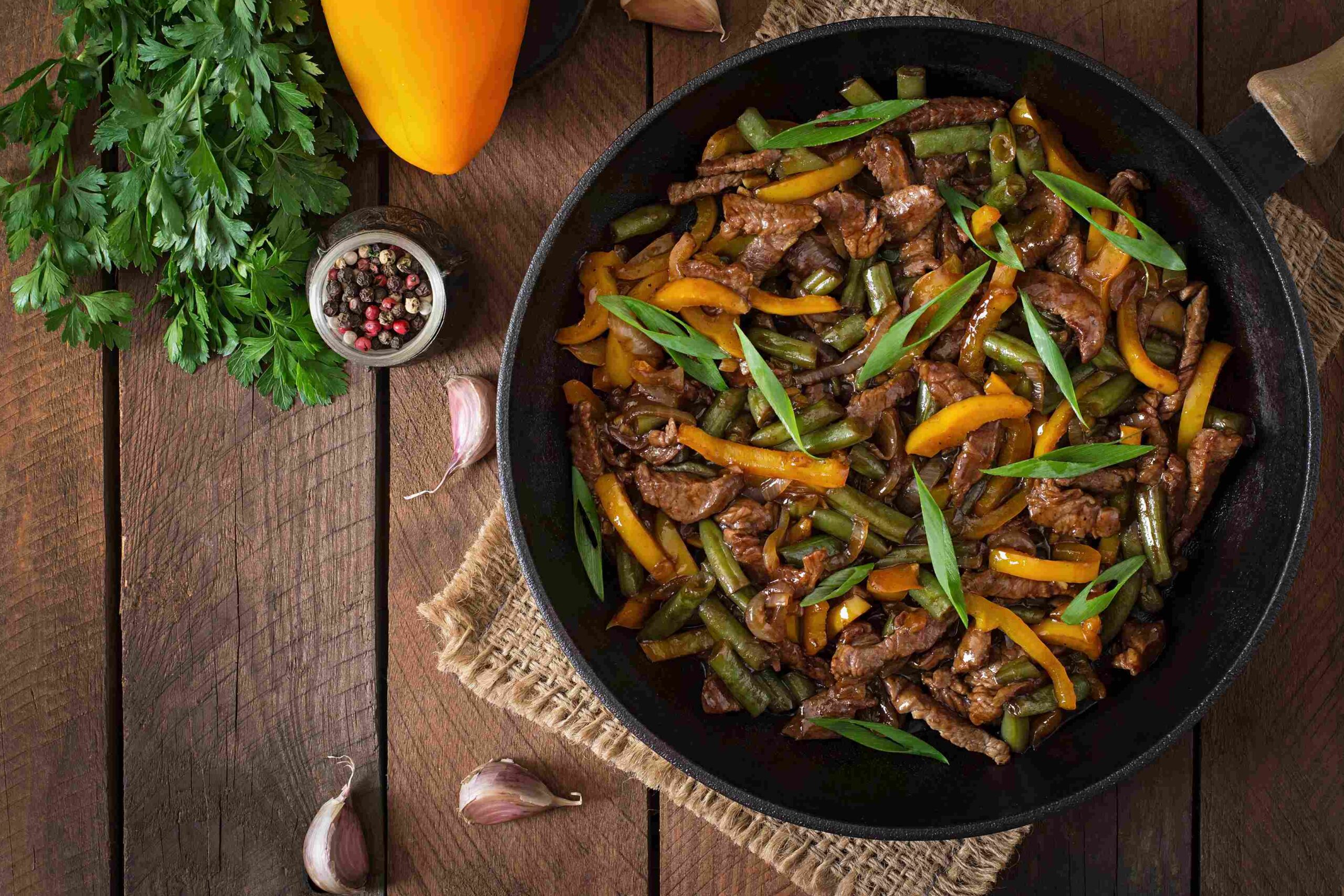
The first time I made a Peruvian beef recipe at home, I expected it to be complicated. The ingredient names were unfamiliar, and I assumed every recipe would need hours of work. I was wrong. Most Peruvian beef recipe rely on a handful of strong flavors: garlic, cumin, a little vinegar, and ají peppers. Once you know how those fit together, the cooking is surprisingly relaxed.
In this guide, I’ll share what I’ve learned about the most loved beef dishes in Peru, how to cook them at home, and the small mistakes that made my early attempts less than perfect. You’ll find quick stir-fries for busy evenings, slow stews for weekends, and practical tips on ingredients, side dishes, and leftovers.
What Makes Peruvian Beef recipe Special?
Peruvian cooking is a blend of cultures, and beef is a good example. Spanish settlers brought cattle, cumin, and slow-cooked stews. Chinese immigrants, who arrived in Peru in the 1800s, introduced soy sauce, ginger, and the high-heat wok. Local ingredients like potatoes, corn, and ají peppers had been part of Andean kitchens for centuries. Combine all that and you get dishes that taste like nothing else.
What I notice most when I cook these recipes is the balance. A dish like lomo saltado is salty, tangy, smoky, and slightly spicy all at once. Nothing overpowers anything else. That balance comes from layering a few ingredients well rather than adding many.
The second thing I love is the range. Some dishes are done in 20 minutes. Others simmer slowly while the kitchen fills with the smell of fresh cilantro. You can pick the style that suits your day.
The Most Popular Peruvian Beef dishes
Lomo Saltado
If you only try one Peruvian beef recipe, make it this one. Lomo saltado is strips of beef stir-fried quickly over very high heat with red onion, tomato, garlic, ají amarillo, soy sauce, and a splash of vinegar. It’s finished with french fries tossed in at the very end, and it’s served over white rice. Yes, that’s rice and potatoes on the same plate, and it works.
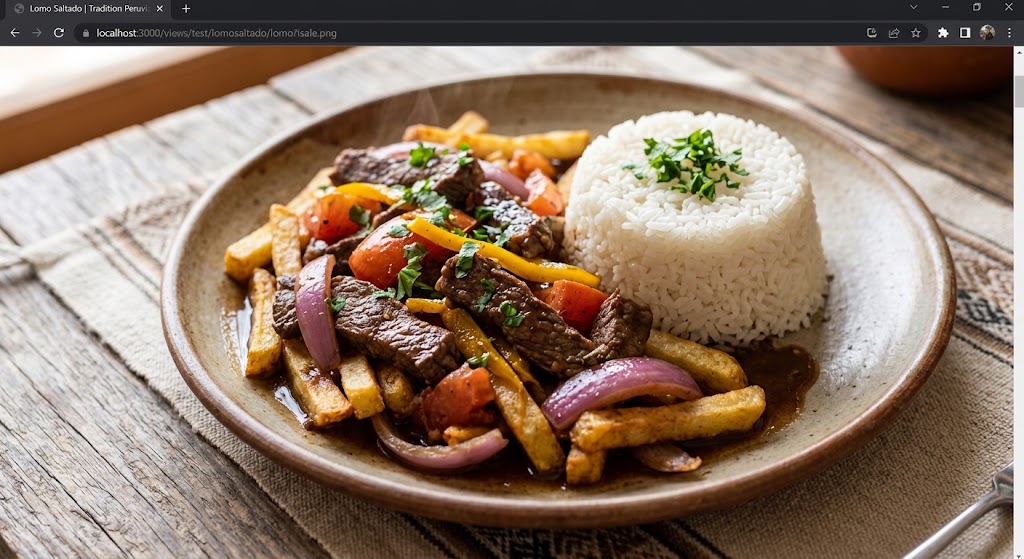
The dish comes from chifa, the Chinese-Peruvian cooking tradition, and the wok-style technique is the whole secret. My first attempt turned out grey and watery because I crowded the pan. Now I cook the beef in two batches so it sears instead of steaming, and the difference is huge.
If you’d like a full walkthrough, I’ve covered the steps in my Lomo Saltado recipe (link this to your own post).
Seco de Carne
Seco means “dry” in Spanish, which is a little funny because this dish is a saucy stew. The name refers to the thick sauce rather than a watery broth. Beef is simmered in a blend of fresh cilantro, garlic, onion, and ají amarillo, and it’s often cooked with a little beer. Peas and carrots usually join the pot near the end.
This is a weekend dish for me. I start it in the afternoon, and by dinner the beef is tender enough to cut with a spoon. It’s traditionally served with rice and canary beans, or with boiled potatoes. The green color from the cilantro makes it look different from most stews, and the flavor is fresh and deep at the same time.
Bistec a lo Pobre
The name means “poor man’s steak,” though there’s nothing modest about the plate. A pan-seared beef steak sits beside rice and fries, topped with a fried egg, and often with fried sweet plantains. It’s a hearty, filling meal that I usually make when I’m cooking for a hungry group.
The trick is timing. The steak, the eggs, the fries, and the plantains all need to be hot at once, so I fry the plantains and potatoes first, keep them warm in the oven, and cook the steak and eggs last.
Anticuchos
Anticuchos are grilled skewers, and the classic version uses beef heart. If that sounds unusual, you can use sirloin or another tender cut and still get a great result. The meat is marinated in vinegar, cumin, garlic, and ají panca, a mild, smoky red pepper, then grilled until charred at the edges. These are a street food favorite in Lima, often served with a potato and a spicy sauce.
Beef and Rice, Peruvian Style
Peruvian families also make comforting one-pot meals where beef is cooked with rice, vegetables, and seasoning. They aren’t as famous abroad as lomo saltado, but they’re a regular on home tables. They’re an easy place to start if you want something simple and filling without extra steps.
Easy Peruvian Beef Recipes for Beginners
If you’re new to this cuisine, I’d suggest starting with lomo saltado. It’s fast, and the ingredients are easy to find. Here’s why I think it suits beginners:
- It takes about 25 to 30 minutes from start to finish.
- It uses one pan for the main cooking.
- You can use frozen fries to save time, and nobody will complain.
- A good substitute exists for almost every ingredient.
For example, if you can’t find ají amarillo paste, you can use a small amount of yellow chili paste or a mild fresh chili with a pinch of turmeric for color. The flavor won’t be identical, but it will be close enough to enjoy the dish while you look for the real thing.
Once you’re comfortable with a stir-fry, move on to bistec a lo pobre, which teaches you to manage several components at once. After that, try a stew like seco de carne. By then, the flavors will feel familiar, and the longer cooking time won’t feel intimidating.
One mistake I made early on was thinking “easy” meant “bland.” Peruvian food is easy because of how efficiently the ingredients work, not because the flavors are mild. Don’t be afraid to season boldly.
Traditional Peruvian Beef Recipes Worth Learning
Traditional recipes in Peru are often learned at home rather than from books. Grandmothers pass them on, usually without exact measurements. When I started cooking these dishes, I noticed a few patterns that show up again and again.
The sofrito base. Many stews begin with onion, garlic, and ají cooked slowly in oil until soft and fragrant. This base is called aderezo, and it’s where a lot of the flavor comes from. Rushing this step is the most common reason a homemade stew tastes flat.
Time matters. Cuts like chuck or beef shank need slow cooking to break down. When I cook seco de carne, I give it at least an hour and a half, sometimes two. The beef should offer no resistance when you press it with a fork.
Rice is not optional. In a Peruvian meal, rice is almost always on the plate. It soaks up the sauce and balances strong flavors. I cook mine with a little garlic and oil, and that small detail makes the whole plate taste more authentic.
Fresh herbs at the end. Cilantro and parsley are often added at the finish so they keep their bright flavor. Cooking them too long dulls them.
Key Ingredients in Peruvian Beef Cooking
You don’t need a long shopping list, but a few ingredients are worth seeking out.
Ají amarillo. This yellow chili pepper is the signature flavor of Peruvian cooking. It has fruity warmth rather than sharp heat. You can find it as a paste in jars at Latin grocery stores or online. A single jar lasts a long time.
Ají panca. A deep red, smoky, mild pepper used heavily in marinades, especially for anticuchos.
Cumin and garlic. These two form the backbone of most beef seasonings. Fresh garlic makes a noticeable difference compared with the powdered kind.
Soy sauce and vinegar. Used together in lomo saltado, they give the dish its salty-tangy punch. Red wine vinegar or white vinegar both work.
Fresh cilantro. Essential for seco de carne. Use plenty, and blend it with a little water or beer to make a green paste.
Potatoes. Peru grows thousands of potato varieties. Outside Peru, yellow potatoes such as Yukon Gold are the closest match for flavor and texture.
The right beef. For quick stir-fries, choose tender cuts like sirloin, tenderloin, or flank steak. For stews, pick chuck, shank, or brisket, which become soft after long cooking.
How I Cook Peruvian Beef at Home: Core Techniques
Whichever dish you choose, a few habits improve the result.
Slice beef against the grain. For stir-fries, I cut the meat into strips about the thickness of a finger. Cutting across the muscle fibers keeps each bite tender.
Dry the meat before searing. Wet beef steams instead of browning. I pat it with paper towels before it hits the pan.
Use high heat for quick dishes. For lomo saltado, I heat the pan until it’s almost smoking. The beef cooks in a minute or two per batch. If the pan isn’t hot enough, you’ll lose the smoky flavor that defines the dish.
Go low and slow for stews. After browning the beef and building the flavor base, I lower the heat, cover the pot, and let time do the work. Stirring occasionally is enough.
Taste and adjust at the end. Salt, vinegar, and a little lime juice can turn a good dish into a great one. I always taste just before serving.
Tips From My Own Kitchen
These are the lessons that took me a few failed dinners to learn.
- Don’t crowd the pan. This is the most common reason stir-fried beef comes out grey. Cook in batches and combine at the end.
- Prep everything first. Stir-fries move fast. Chop the onion, tomato, and garlic before you light the stove.
- Add tomatoes and onions late. In lomo saltado, they should stay slightly firm and juicy, not turn into mush.
- Make sauces ahead. A simple ají sauce with cilantro, lime, and mayonnaise takes five minutes and lifts almost any beef dish.
- Let stews rest. Seco de carne tastes better the next day, after the flavors settle.
- Salt the beef lightly before cooking and adjust at the end, because soy sauce adds salt of its own.
What to Serve With Peruvian Beef
Most Peruvian beef dishes arrive at the table with a starchy side, and I follow the same pattern at home.
White rice is the standard partner. Cooked with garlic and a drizzle of oil, it’s a small step that makes the meal feel complete.
Potatoes appear in many forms: fried, boiled, or mashed. Boiled yellow potatoes go especially well with seco de carne.
Canary beans (canarios or mayocoba) are a traditional match for stews. Pinto or cannellini beans make a fine substitute.
Salsa criolla. This is thinly sliced red onion tossed with lime juice, salt, and chopped cilantro or ají. Its sharp freshness cuts through rich beef beautifully, and I serve it with almost everything.
A simple salad. Tomato and cucumber with lime and salt keep the plate from feeling heavy.
If you’re cooking for a group, serve family style. Put the beef, rice, and sides in the middle of the table and let everyone help themselves.
Storing and Reheating Leftovers
Stews like seco de carne keep well in the fridge for three to four days, and they freeze nicely for up to three months. Reheat them gently over low heat with a splash of water.
Lomo saltado is best fresh, because the fries lose their crunch. If you have leftovers, I store the beef and rice together, then fry a fresh batch of potatoes when I reheat. It’s a small effort that makes the second meal almost as good as the first.
Frequently Asked Questions
What is the most popular beef dish in Peru?
Lomo saltado is probably the best known, both in Peru and abroad. Seco de carne and bistec a lo pobre are also very common.
Is Peruvian beef spicy?
Usually not very. Ají amarillo adds fruity warmth rather than strong heat. You can always add extra chili if you like more fire.
Which cut of beef is best for lomo saltado?
Sirloin, tenderloin, and flank steak all work well. The key is slicing thinly and cooking quickly.
Can I make these dishes without ají amarillo?
Yes, though the flavor will change a little. A mild yellow chili paste or a small amount of fresh chili can stand in until you find the real thing.
Can I cook seco de carne in a slow cooker or pressure cooker?
Absolutely. A pressure cooker cuts the time to roughly 40 minutes, and a slow cooker works well on low for six to eight hours. I still recommend browning the beef and cooking the flavor base first.
What can I use instead of beer in seco de carne?
Beef broth or a little water works fine. Beer adds a gentle depth, but the dish remains delicious without it.
Final Thoughts
Peruvian beef recipes taught me that great flavor doesn’t require complicated cooking. A hot pan, fresh garlic, a little ají, and some patience are often enough. Start with lomo saltado when you want something quick, save seco de carne for a slow Sunday, and bring out bistec a lo pobre when you’re feeding a crowd.
Don’t worry about getting everything perfect the first time. My early attempts weren’t, and they were still better than most weeknight dinners. Cook, taste, adjust, and enjoy the process. If you try any of these dishes, I’d love to hear how they turned out in the comments.

1 Comment
Pingback: Causa Rellena Recipe: How to Make Traditional Peruvian Layer