
Bistec a lo Pobre is a classic Peruvian dish made with tender beef steak, fried eggs, crispy potatoes, white rice, and sweet fried plantains. This hearty meal brings together several simple ingredients to create a satisfying plate of food. If you are looking for an authentic how to make Bistec a lo Pobre recipe, this guide will show you how to prepare it at home with easy steps and everyday ingredients. You will learn how to season the steak, fry the potatoes and plantains, cook the eggs, and bring everything together for a delicious meal. Although the dish has several parts, each one is easy to prepare with a little planning.
What Is Bistec a lo Pobre?
Bistec a lo Pobre is a well-known dish in Peruvian cooking. The name can be translated roughly as “poor man’s steak,” but the dish itself is a filling meal with several components. It usually includes a beef steak served with fried eggs, potatoes, rice, and fried plantains.
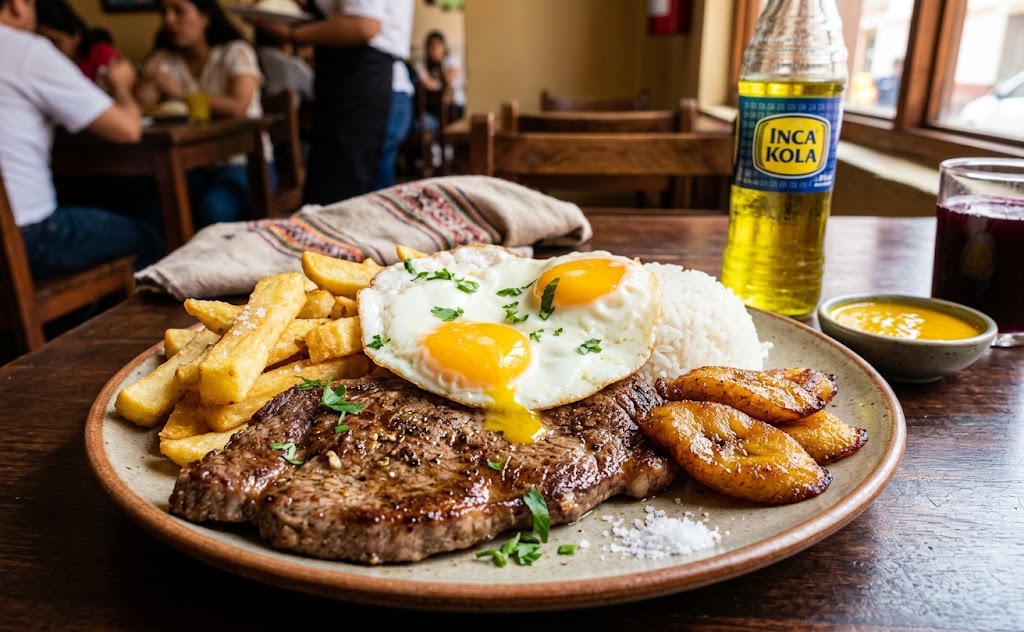
Each ingredient adds something different to the plate. The beef provides a rich, savory taste, while the eggs make the meal even more filling. Fried potatoes add a crisp texture, and ripe plantains bring a little sweetness. White rice completes the meal and helps bring all the flavors together.
You can find bistec a lo pobre peruano on menus in Peru, and many people also prepare their own versions at home. Some cooks use simple seasoning, while others add garlic, cumin, or a little vinegar to the beef before cooking.
One of the best things about this dish is that you do not need special equipment or hard-to-find ingredients. A frying pan, a pot for the rice, and a few basic cooking tools are enough to prepare it in your own kitchen.
What Makes Bistec a lo Pobre Special?
The special part of this Peruvian steak dish is the way its different ingredients work together. Instead of serving steak with just one side, the plate brings together meat, rice, potatoes, eggs, and sweet plantains.
The beef is usually seasoned with garlic, salt, pepper, and other simple spices. It is cooked in a hot pan until browned on the outside and cooked to the preferred doneness inside.
The fried egg adds a soft texture, especially when the yolk is still slightly runny. The potatoes provide a crisp bite, while ripe plantains have a sweet flavor that balances the savory steak.
White rice is another important part of the meal. It has a mild taste that works well with the stronger flavors of the beef and fried ingredients.
Although the dish is filling, its ingredients are easy to prepare separately. This makes it a useful recipe for a family dinner or a weekend meal when you want to serve something different from your usual steak and potatoes.
Ingredients for Bistec a lo Pobre
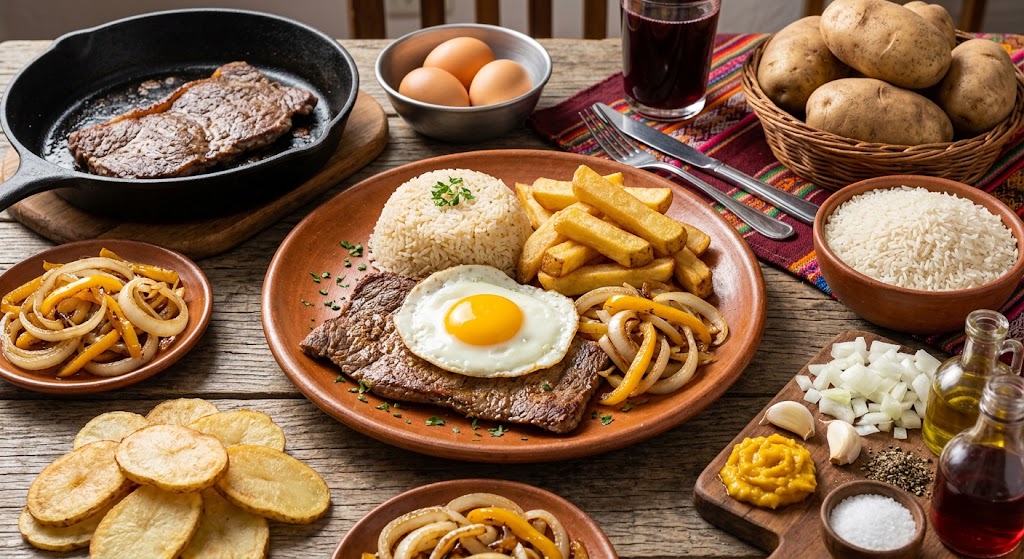
This recipe makes two generous servings. You can increase the quantities if you are cooking for more people.
For the Beef Steak
- 2 beef steaks, about 150–200 g each
- 2 garlic cloves, finely minced
- 1 tablespoon vegetable oil
- 1 tablespoon soy sauce, optional
- 1 teaspoon vinegar, optional
- ½ teaspoon ground cumin
- ½ teaspoon salt, or to taste
- ¼ teaspoon ground black pepper
Sirloin is a good choice because it is suitable for quick cooking and has a rich beef flavor. You can also use another tender cut that works well in a skillet.
Garlic and cumin give the steak a warm, savory taste. Soy sauce and vinegar are optional additions rather than required ingredients in every traditional version.
For the Potatoes
- 2 medium potatoes
- Vegetable oil, as needed for frying
- Salt, to taste
Choose potatoes that hold their shape when cooked. You can cut them into thin fries or slightly thicker strips, depending on your preference.
For the Fried Eggs
- 2 large eggs
- 1–2 teaspoons vegetable oil
- A small pinch of salt
- Black pepper, optional
For the Fried Plantains
- 1 ripe plantain
- Vegetable oil, as needed for frying
A ripe plantain with yellow skin and some dark spots is a good choice. It should feel slightly soft but not mushy.
For the Rice
- 1 cup uncooked white rice
- Water, according to the rice package instructions
- ½ teaspoon salt, optional
You can also add a small amount of oil or minced garlic when preparing the rice, if desired.
How to Make Bistec a lo Pobre Step by Step
The easiest way to prepare this meal is to start with the rice and prepare the remaining ingredients while it cooks. Fry the steak and eggs near the end so they are warm when you serve the dish.
Step 1: Season the Beef
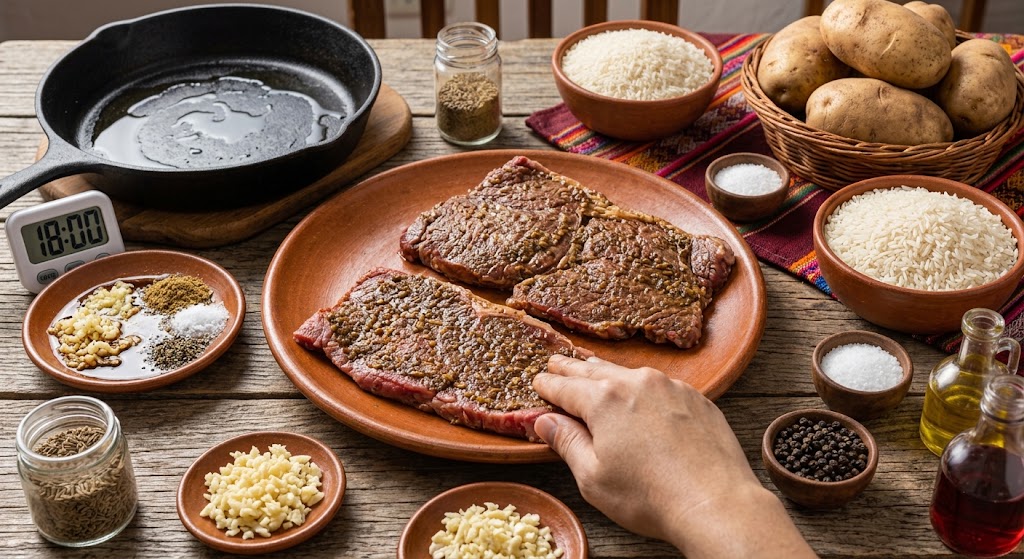
Place the beef steaks on a plate or in a shallow bowl. Add the minced garlic, cumin, salt, black pepper, vegetable oil, and the optional soy sauce and vinegar.
Rub the seasoning over both sides of each steak. Let the beef rest for about 15–20 minutes so the flavors can settle into the surface.
If you have thicker steaks, you may need to allow more cooking time later. For a quick skillet recipe, relatively thin steaks are convenient because they cook faster.
Before cooking, let excess marinade drip off. Too much liquid in the pan can prevent the meat from browning properly.
Step 2: Cook the White Rice
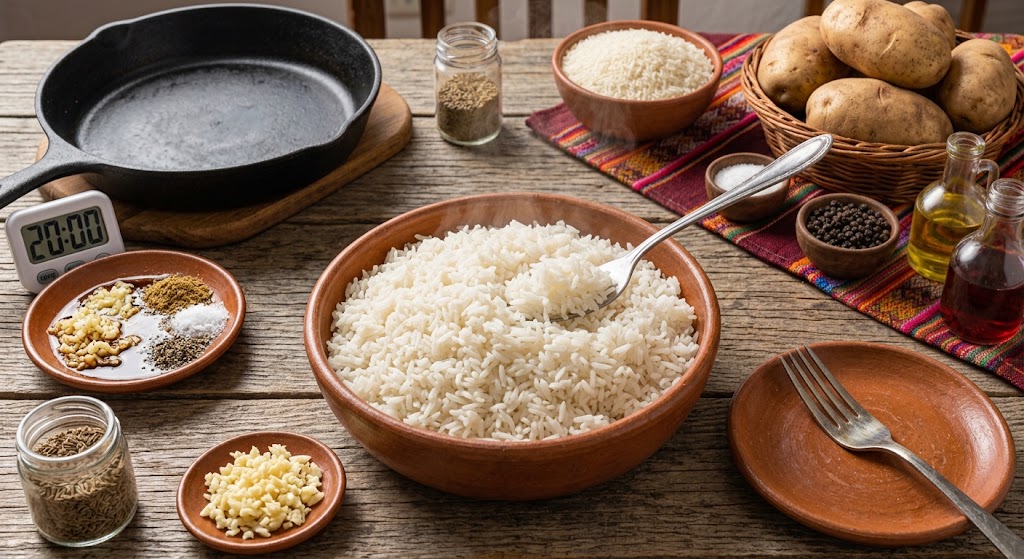
Rinse the rice if recommended for the variety you are using. Place it in a saucepan with the required amount of water and a little salt, if desired.
Bring the water to a boil, then reduce the heat and cover the pan. Cook according to the package instructions until the rice is tender and the water has been absorbed.
Once cooked, remove the pan from the heat and leave the rice covered for a few minutes. Fluff it gently with a fork before serving.
Keep the rice warm while you prepare the other ingredients. If it finishes early, avoid leaving it at room temperature for long periods.
Step 3: Cut and Fry the Potatoes
Peel the potatoes if you prefer, then cut them into thin fries. You can leave the skin on after washing the potatoes well.
Rinse the cut potatoes if needed, then dry them thoroughly with a clean kitchen towel. Removing excess moisture helps reduce oil splatter and improves browning.
Heat vegetable oil in a suitable pan. Fry the potatoes in batches until they are golden and cooked through. The cooking time will depend on their thickness and the temperature of the oil.
Do not overcrowd the pan, as this can lower the oil temperature and make the potatoes soft instead of crisp.
Transfer the cooked potatoes to a plate lined with paper towels and season them lightly with salt.
Step 4: Fry the Plantains
Peel the ripe plantain and cut it diagonally into slices about 1 cm thick.
Heat a little vegetable oil in a frying pan over medium heat. Place the slices in the pan in a single layer, leaving enough room to turn them easily.
Cook for a few minutes on each side until they become golden brown and soft inside. The exact time will depend on how ripe the plantain is and how thickly you cut it.
Move the cooked slices to a plate lined with paper towels. Keep them warm while you finish the steak and eggs.
Ripe plantains become sweeter as they cook, which gives the dish a pleasant contrast to the salty beef and potatoes.
Step 5: Cook the Beef Steak
Heat a heavy skillet over medium-high heat. Add a small amount of oil if the pan needs it.
Place the seasoned steaks in the hot skillet. Cook them without moving them too much so they have a chance to develop a brown surface. Turn them when the first side is properly seared.
Cooking time depends on the thickness of the steak and how well done you prefer it. Thin steaks may cook in just a few minutes per side, while thicker cuts need longer.
Use a food thermometer to check that the beef reaches a safe internal temperature. For whole beef steaks, the USDA recommends 145°F (63°C), followed by a three-minute rest.
Transfer the cooked steaks to a clean plate and let them rest briefly before serving. This helps the juices settle and makes the meat more enjoyable to eat.
Step 6: Fry the Eggs
Heat a small amount of oil in a clean frying pan over medium heat.
Crack the eggs into the pan carefully. Cook them until the whites are set and the yolks reach your preferred consistency. Turn them gently if you prefer eggs cooked on both sides.
Season lightly with salt and black pepper, if desired.
For food safety, cook the eggs until the whites and yolks are firm, or use pasteurized eggs if you prefer a softer yolk.
Prepare the eggs close to serving time so they stay warm and fresh.
Step 7: Assemble the Bistec a lo Pobre
Place one steak on each serving plate. Add a portion of white rice, fried potatoes, and fried plantains beside the beef.
Place one fried egg on top of each steak or serve it alongside the meat. Arrange the ingredients so each part is easy to reach.
You can finish the plate with a little chopped parsley or serve a small amount of ají sauce on the side if you enjoy spicy food.
Serve immediately while the steak is warm, the eggs are freshly cooked, and the potatoes are still crisp.
Tips for Making the Best Bistec a lo Pobre
A few simple details can make a real difference when preparing this recipe.
Choose a suitable cut of beef. Tender cuts such as sirloin work well for quick cooking. Thin steaks are especially useful when you want the meal ready without spending too much time at the stove.
Do not skip the resting time. Letting the seasoned beef rest for 15–20 minutes gives the garlic and spices time to coat the meat evenly.
Dry the potatoes before frying. Wet potatoes can cause oil to splatter and may not brown as well. Drying them helps produce a better texture.
Use ripe plantains. Green plantains are firmer and less sweet. Choose yellow plantains with some dark spots for a softer texture and sweeter taste.
Prepare the ingredients in the right order. Start with the rice, then cook the potatoes and plantains. Finish with the steak and eggs so the main ingredients are ready at about the same time.
Avoid overcooking the steak. Thin beef steaks can become dry if left in the pan too long. Check their doneness instead of relying on one cooking time for every cut.
What to Serve with Bistec a lo Pobre
Bistec a lo Pobre is usually served as a complete meal, with rice, potatoes, fried plantains, and eggs accompanying the steak. You do not need to prepare many extra dishes because the plate already contains several different textures and flavors.
If you want something fresh on the side, a simple salad made with lettuce, tomatoes, and onions is a good option. Its fresh taste provides a contrast to the fried ingredients.
You can also serve ají sauce for anyone who enjoys a little heat. A small amount is enough to add a different flavor without covering the taste of the beef.
For a traditional-style presentation, keep the steak and its accompaniments together on one plate. Serve everything warm and bring the meal to the table as soon as the eggs and steak are ready.
Common Mistakes to Avoid
One common mistake is cooking all the ingredients at the same time without a plan. The potatoes may finish early while the steak is still cooking, or the eggs may become cold before the rest of the meal is ready. Preparing the components in order makes serving much easier.
Another mistake is using plantains that are too green when you want a sweet side. Very green plantains have a firmer texture and a less sweet taste than ripe ones.
Overcrowding the frying pan can also affect the result. Cook potatoes in batches if necessary, and give the steak enough room to brown.
Finally, avoid adding too much liquid to the beef marinade immediately before frying. Excess liquid can make the steak steam instead of developing a browned surface.
Bistec a lo Pobre vs. Lomo Saltado
Bistec a lo Pobre and Lomo Saltado are both popular Peruvian beef dishes, but they are prepared differently.
Bistec a lo Pobre usually features a whole beef steak served with fried eggs, rice, potatoes, and sweet plantains. The ingredients are generally cooked separately and arranged together on the plate.
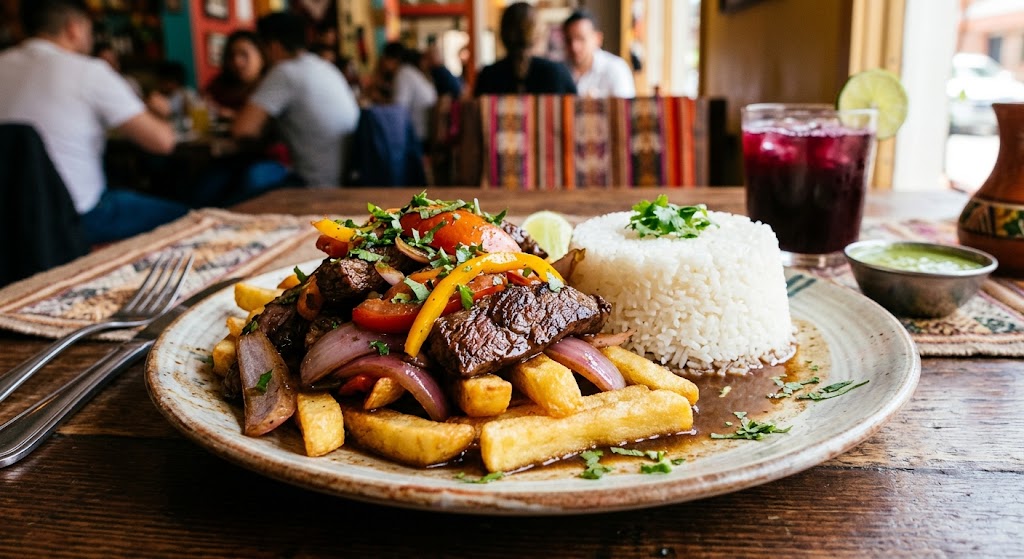
Lomo Saltado, on the other hand, is made with strips of beef stir-fried with onions, tomatoes, and seasonings. French fries are commonly included in the stir-fry or served alongside it, with white rice completing the meal.
The flavor and texture are also different. Bistec a lo Pobre highlights the taste of a seasoned steak with a mix of savory and sweet sides. Lomo Saltado has a more pronounced stir-fried flavor from the beef, vegetables, and seasonings.
Both are worth trying if you enjoy Peruvian beef recipes, but they offer different ways to prepare and serve the meat.
How to Store and Reheat Leftovers
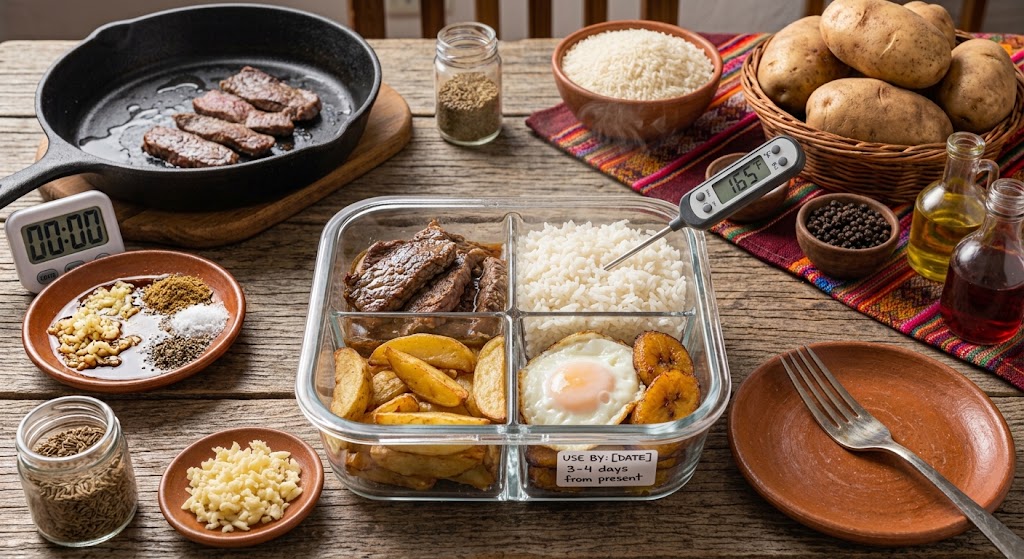
If you have leftovers, divide the food into shallow containers and refrigerate it promptly. Cooked beef and rice should not be left at room temperature for more than two hours, or one hour when the temperature is above 90°F (32°C).
For the best texture, store the steak, rice, potatoes, plantains, and eggs separately when possible. This makes it easier to reheat each ingredient without overcooking the others.
Refrigerated leftovers should generally be used within three to four days. Reheat them thoroughly to 165°F (74°C), checking the temperature with a food thermometer.
You can reheat the steak in a skillet over medium-low heat with a small splash of water if needed. Reheat the rice until steaming hot, following food-safety guidance. An oven or air fryer can help restore some crispness to the potatoes, although they may not be exactly like freshly fried ones.
Fried eggs and plantains are best freshly prepared, but leftovers can still be reheated carefully.
Frequently Asked Questions About Bistec a lo Pobre
What does Bistec a lo Pobre mean in English?
The name is commonly translated as “poor man’s steak.” Despite the name, the dish is a filling meal served with several accompaniments, including rice, potatoes, eggs, and fried plantains.
What ingredients are in Bistec a lo Pobre?
The usual ingredients include beef steak, fried eggs, potatoes, white rice, and ripe fried plantains. Garlic, salt, pepper, and cumin can be used to season the steak, although recipes vary between cooks.
Is Bistec a lo Pobre a traditional Peruvian dish?
Yes. Bistec a lo Pobre is a recognized part of Peruvian food culture. It is served in restaurants and prepared at home, with variations in seasoning and presentation.
What cut of beef is best for Bistec a lo Pobre?
Sirloin is a practical choice because it is flavorful and works well for quick skillet cooking. Other tender cuts can also be used. The best choice depends on availability, thickness, and personal preference.
Can I make Bistec a lo Pobre without plantains?
Yes. You can leave out the plantains if they are unavailable or if you do not enjoy their sweetness. However, ripe fried plantains are a familiar part of the dish and provide a useful contrast to the savory steak.
Can I prepare Bistec a lo Pobre ahead of time?
You can prepare the rice, cut the potatoes, and season the steak ahead of time. For the best result, cook the steak and eggs close to serving time. The potatoes and plantains also taste best when freshly fried.
Is Bistec a lo Pobre spicy?
The basic dish is not usually very spicy. Its main flavors come from the beef, garlic, seasonings, eggs, potatoes, and plantains. You can serve ají sauce separately if you want to add heat.
Final Thoughts
Bistec a lo Pobre is a satisfying way to enjoy a traditional Peruvian steak meal at home. The combination of seasoned beef, fried eggs, golden potatoes, white rice, and sweet plantains makes every part of the plate count. Although the recipe involves several components, preparing them in order keeps the process simple. You can also adjust the seasoning and serving portions to suit your taste. Once you understand how each ingredient is cooked, this classic Peruvian dish becomes much easier to prepare for a family dinner or a special weekend meal.
