
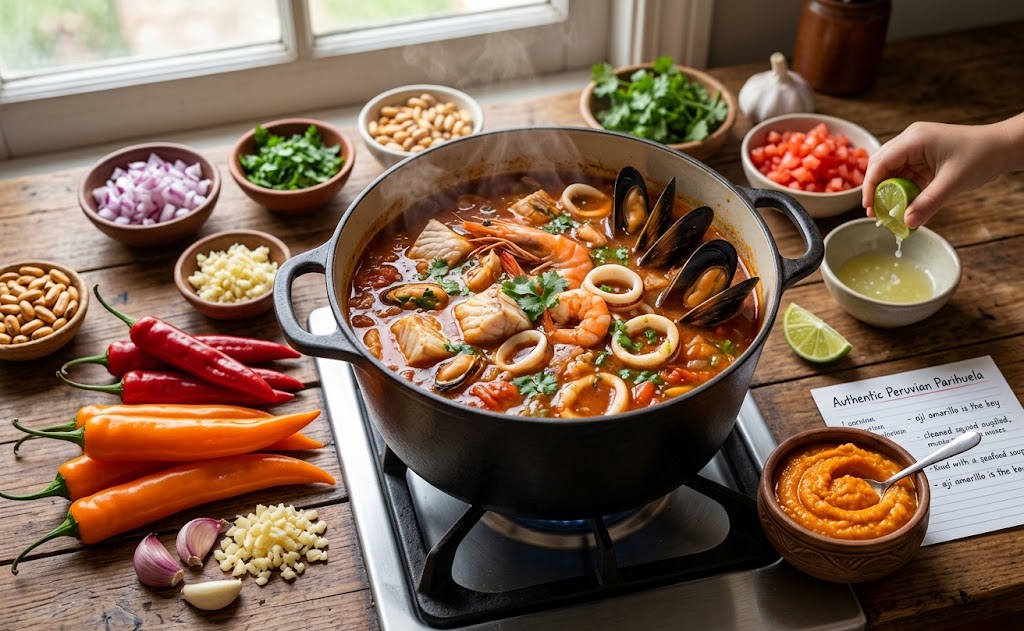
Peruvian food comes from Peru and is known for its rich flavors, fresh ingredients, and wide variety of dishes. If you are wondering what is Peruvian food, it is a style of cooking shaped by Peru’s different regions and cultures. Local traditions have come together with Spanish, Chinese, Japanese, African, and other influences over many years, creating a cuisine that feels both traditional and diverse.
One of the best things about Peruvian food is the variety of ingredients used in everyday cooking. Potatoes, corn, fresh fish, rice, beans, herbs, and chili peppers are common in many dishes. The ingredients may change from one region to another, but the goal is often the same: to create food with a lot of flavor without making it unnecessarily complicated.
So, why is Peruvian food famous? A big reason is the range of dishes found across the country. The coastal areas are known for seafood, the Andes have hearty meals made with potatoes and grains, while the Amazon has its own dishes based on local fish, fruits, and other ingredients. This regional variety gives Peruvian cuisine a character of its own.
If you are looking for the best Peruvian food to try, there are plenty of classic dishes to start with. Ceviche, lomo saltado, causa rellena, anticuchos, ají de gallina, and pollo a la brasa are some popular choices. You can also explore this traditional food in Peru list to discover more dishes and learn what makes each one special.
Why Is Peruvian Food Famous?
Peruvian food is well known for its bold flavors and the many cultures that have shaped it over the years. Traditional Indigenous cooking is combined with Spanish influences and cooking traditions brought by Asian communities. This blend can be seen in everything from seafood and potato dishes to stir-fries and grilled meats. It gives Peruvian cuisine a wide range of flavors while still keeping its own strong identity.
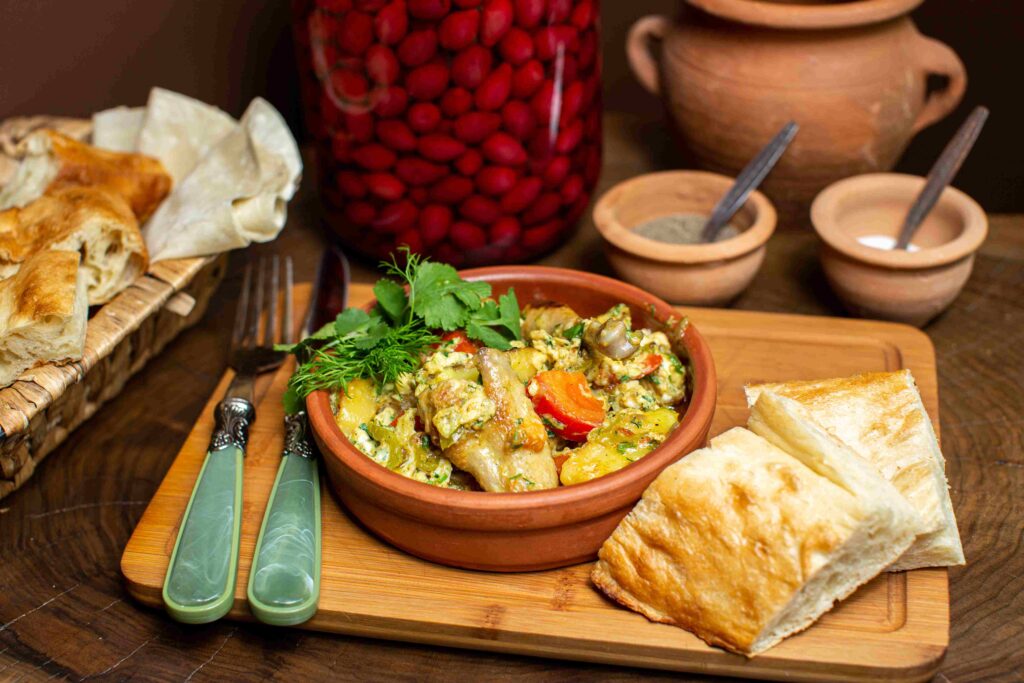
One of the main reasons Peruvian food is so popular is its use of fresh ingredients. Potatoes, corn, chili peppers, fish, seafood, and fresh herbs are common in many traditional dishes. These ingredients are often prepared with simple seasonings, allowing their natural flavors to come through without making the food too complicated.
Another reason is the variety found across Peru. The country has three main natural regions: the coast, the Andes, and the Amazon. Each region has its own ingredients and cooking traditions. Coastal cooking is strongly connected to fresh seafood, while Andean dishes often use potatoes, corn, grains, and meat. In the Amazon, local fish, tropical fruits, plantains, yuca, and herbs are common parts of the cuisine.
There is also a lot of choice when it comes to Peruvian food. You might enjoy a quick plate of street food, a traditional family meal, or a carefully prepared dish at a restaurant. Ceviche, anticuchos, lomo saltado, and pollo a la brasa are just a few examples of the dishes that have become well known both inside and outside Peru.
Peruvian cuisine has also gained a strong following internationally. Peruvian restaurants have opened in many countries, while chefs around the world have started using Peruvian ingredients and cooking ideas in their own dishes. As more people discover the country’s food, its rich variety continues to attract attention.
Traditional Food in Peru List
Peruvian cuisine offers many traditional dishes that are enjoyed by both locals and visitors. These meals use simple ingredients but have plenty of flavor, and each one tells a little about Peru’s food culture. Here are some popular traditional foods you should know:
- Ceviche
One of Peru’s best-known dishes, ceviche is made with fresh fish, lime juice, red onion, chili, and other simple ingredients. It has a fresh, tangy taste and is especially popular along Peru’s coast. If you want to learn more about it, check out our guide to Peruvian ceviche. - Lomo Saltado
This popular stir-fry combines beef with onions, tomatoes, soy sauce, and fries, usually served with rice. Its cooking style reflects the Chinese influence that became part of Peruvian cuisine. - Ají de Gallina
Ají de gallina is a creamy chicken dish made with shredded chicken, yellow chili, milk, bread, and seasonings. The chili gives it flavor without making the dish extremely hot. - Anticuchos
Anticuchos are grilled meat skewers and are especially popular as Peruvian street food. They are traditionally made with beef heart and are marinated before being cooked over a hot grill, giving them a smoky and savory taste. You can learn more about Peruvian anticuchos in our detailed guide. - Papa a la Huancaína
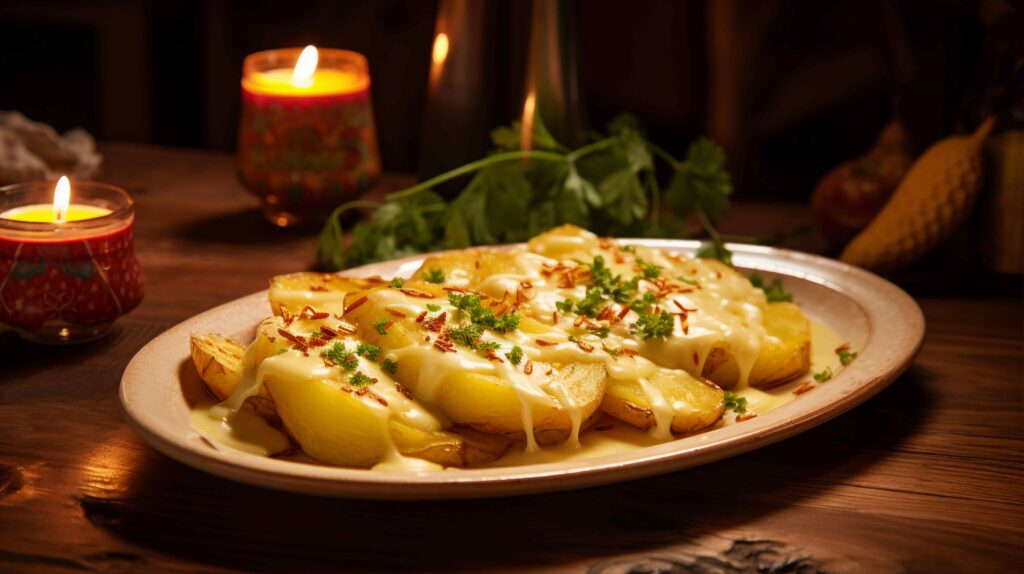
This classic Peruvian dish features boiled potatoes covered with a smooth cheese and yellow chili sauce. It is easy to serve as an appetizer or side dish and is a great example of how simple ingredients can create a flavorful meal. See our recipe for Papa a la Huancaína. - Rocoto Relleno
Rocoto relleno is a traditional dish from Arequipa made with rocoto peppers stuffed with seasoned meat and other ingredients. The pepper has a natural heat, giving the dish a stronger flavor than many other Peruvian foods.
These dishes are only a small part of the traditional food in Peru. From seafood and grilled meats to potato dishes and hearty stews, Peruvian cuisine offers something different in every region. Exploring these traditional dishes is a great way to understand the history and variety behind food in Peru.
What Is the Most Popular Food in Peru?
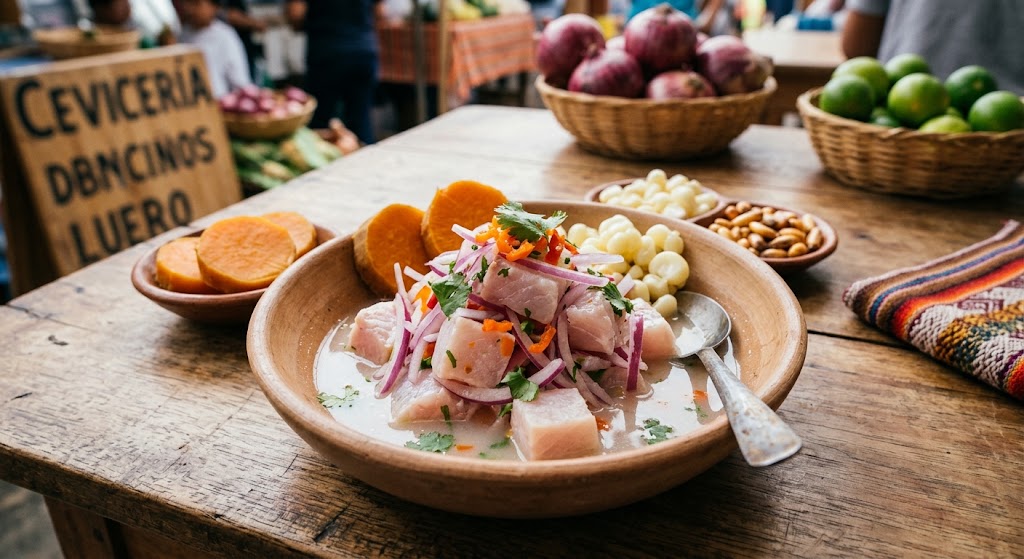
When people ask what is the most popular food in Peru, ceviche is one of the first dishes that comes to mind. It is one of the country’s most famous traditional foods and is especially popular along the coast. Ceviche is made with fresh fish, lime juice, red onion, chili, and seasonings. The result is fresh, tangy, and full of flavor.
Ceviche is a good example of what makes Peruvian cooking special. The ingredients are fairly simple, but fresh fish and the right balance of lime, chili, and onion give the dish a strong character. It is closely connected with the coastal food culture of Peru, where seafood has been an important part of local cooking for generations. If you want to learn how to make it at home, you can also explore our guide to Peruvian ceviche.
Of course, ceviche is not the only dish worth trying. Lomo saltado is another well-known favorite. This beef stir-fry combines meat, onions, tomatoes, soy sauce, and fries, usually with rice on the side. It is a great example of the Chinese influence found in Peruvian cuisine.
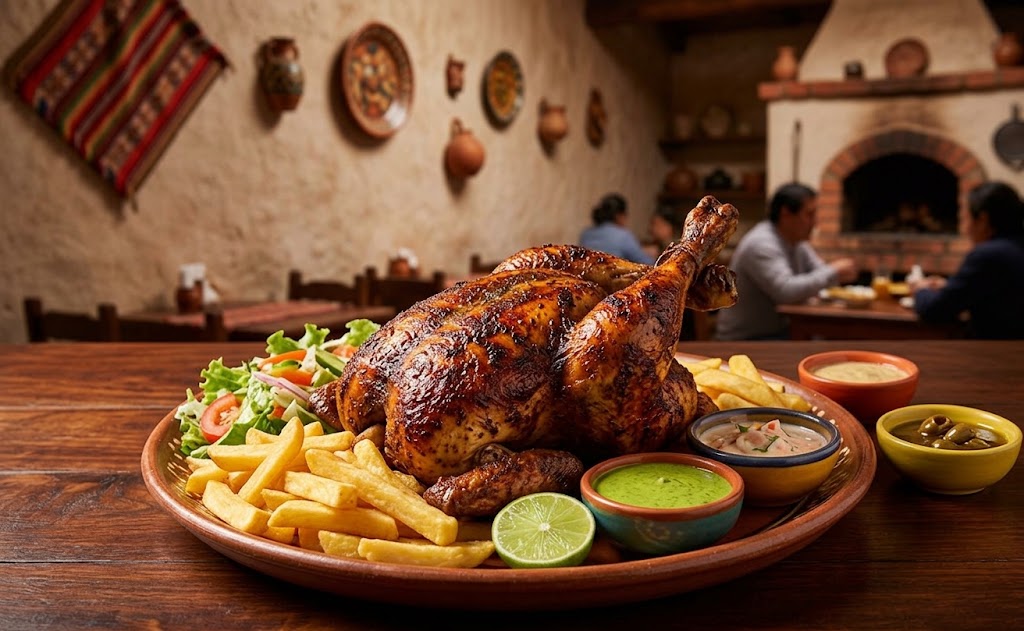
Another popular choice is pollo a la brasa, a whole chicken seasoned with spices and roasted until the skin becomes dark and flavorful. It is commonly served with fries, salad, sauces, or other sides. You can read our complete guide to Pollo a la Brasa (Peruvian Chicken).
Peru has many other dishes that deserve attention, including causa rellena, anticuchos, papa a la huancaína, ají de gallina, and chanfainita. This variety means that there is no need to stop at one dish when exploring Peruvian cuisine.
Best Peruvian Food to Try
If you are exploring Peruvian cuisine for the first time, there are plenty of dishes to put on your list. The best Peruvian food to try depends on what you enjoy, but starting with a few classic dishes gives you a good idea of the range of flavors found in Peru.
Ceviche is a great choice if you enjoy fresh seafood and bright, tangy flavors. For something more filling, lomo saltado combines tender beef with vegetables, fries, and rice. If you prefer grilled food, anticuchos offer a smoky and savory option, while Peruvian chanfainita is a hearty traditional dish with a very different taste.
You can also try causa rellena, a layered potato dish that can be filled with chicken, tuna, or other ingredients. For a simple appetizer or side, papa a la huancaína is made with potatoes and a creamy yellow chili and cheese sauce.
If you want to explore beyond these well-known dishes, our guide to traditional Peruvian food covers more classic foods from different parts of the country. Trying several dishes is one of the best ways to understand just how varied Peruvian cuisine can be.
Street Food Favorites
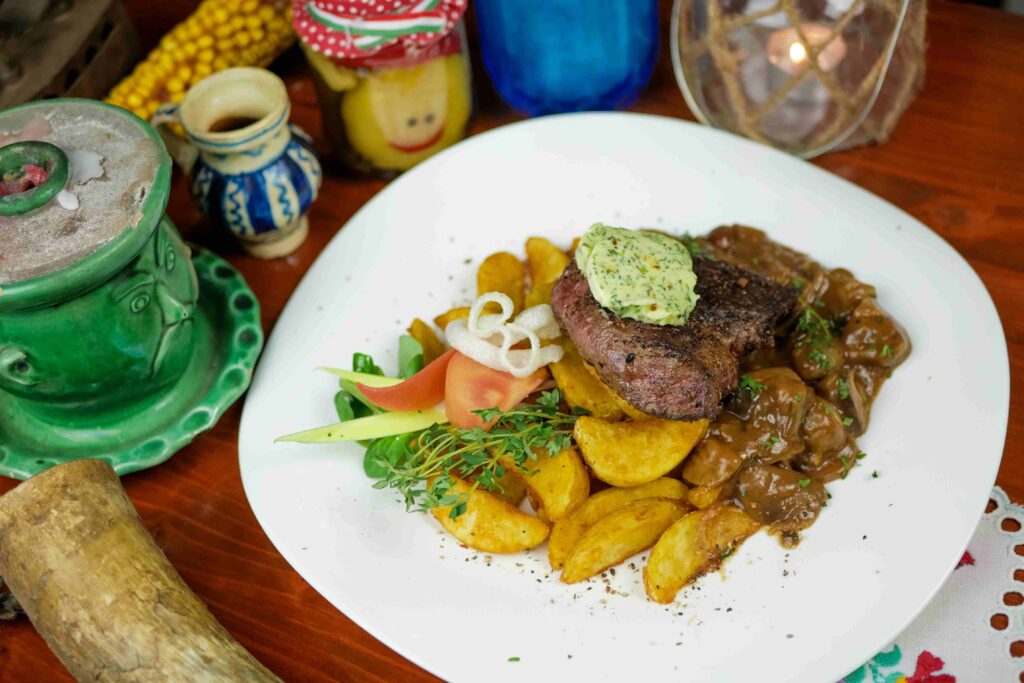
Peruvian street food is a simple way to experience the everyday side of the country’s food culture. Many of these foods are grilled, fried, or prepared fresh and served as a quick meal or snack.
- Anticuchos
Anticuchos are grilled meat skewers with a smoky, savory flavor. They are traditionally made with beef heart, although other types of meat are also used. You can learn more in our guide to Peruvian anticuchos. - Empanadas
Peruvian empanadas are pastries filled with ingredients such as seasoned meat, chicken, cheese, or vegetables. They can be baked or fried and are often enjoyed as a quick snack.
Main Dishes
Peruvian main dishes range from fresh seafood to filling meat and rice meals. Many of them reflect the different cultures and regions that have influenced Peruvian cooking.
- Ceviche
Ceviche is made with fresh fish, lime juice, red onion, chili, and seasonings. It has a fresh and tangy taste and is especially popular in Peru’s coastal areas. For more details, check our Peruvian ceviche recipe. - Lomo Saltado
Lomo saltado is a popular beef stir-fry made with beef, onions, tomatoes, soy sauce, and fries. It is usually served with rice and is a well-known example of Chinese-Peruvian cooking. - Pollo a la Brasa
Pollo a la brasa is roasted chicken seasoned with a flavorful mix of spices. The chicken is commonly served with fries, salad, and sauces, making it a popular choice for a complete family meal. Our Pollo a la Brasa guide covers its history, preparation, and popular sides.
Desserts
Peruvian desserts are often rich, sweet, and made with ingredients such as milk, fruit, cinnamon, and syrup. They are a nice way to finish a traditional meal.
- Suspiro a la Limeña
This classic Lima dessert is made with a smooth, sweet milk-based layer and topped with soft meringue. It is creamy, rich, and usually served in small portions. - Picarones
Picarones are soft fried rings made from a dough that commonly includes squash and sweet potato. They are served warm with a sweet syrup and are a popular treat, especially from street vendors.
These dishes are only a small part of what Peruvian cuisine has to offer. From smoky street food and fresh seafood to roasted meats and traditional desserts, each dish has its own character. Exploring different foods is a great way to discover the variety and history behind Peruvian food.
Peruvian Recipes for Beginners
You do not need to be an experienced cook to enjoy Peruvian food at home. Some dishes need several ingredients, but there are also plenty of easy Peruvian recipes for beginners that can be made with ingredients you may already have in your kitchen. Starting with simple dishes is a good way to get familiar with Peruvian flavors before trying more traditional recipes.
Simple Ceviche
Ceviche may look like a restaurant-only dish, but the ingredients themselves are quite simple. Fresh fish, lime juice, red onion, chili, salt, and a few herbs can create a fresh and bright dish. The quality and freshness of the fish are especially important, so use seafood that is safe and suitable for raw preparations. Our Peruvian ceviche recipe explains the dish in more detail.
Easy Lomo Saltado
Lomo saltado is a good option when you want something warm and filling. Beef is cooked quickly with onions and tomatoes, then combined with soy sauce and fries. It is commonly served with rice, making it a complete meal. The recipe also gives you a chance to see how Peruvian and Chinese cooking traditions come together in one dish.
Peruvian Fried Rice (Chaufa)
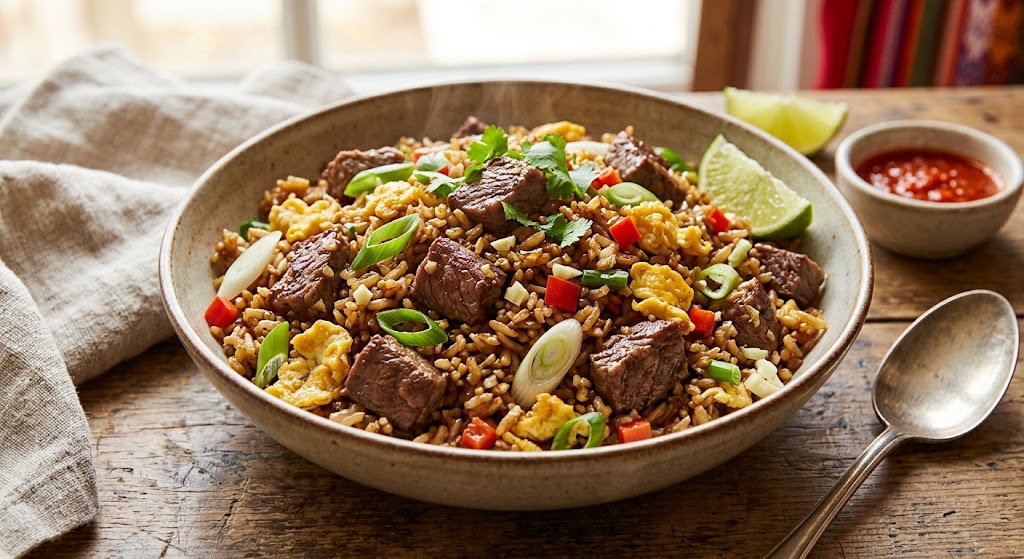
Arroz chaufa is another practical dish for home cooking, especially if you have leftover cooked rice. Rice is stir-fried with ingredients such as eggs, chicken, vegetables, soy sauce, and seasonings. Different versions can be made depending on what you have available. The quick cooking method makes it a useful choice for a busy day.
Cooking Tips for Beginners
- Use fresh ingredients whenever possible.
- Start with a small amount of chili if you are not used to spicy food.
- Prepare your ingredients before you start cooking.
- Taste the food as you cook and adjust the seasoning when needed.
- Do not worry about making everything perfect on your first try.
Simple recipes are often the best way to get comfortable with a new cuisine. Once you understand the basic flavors used in Peruvian cooking, you can move on to more traditional and regional dishes.
What Is Peruvian Food Made Of?
The ingredients used in Peruvian cooking vary from one region to another, but some foods appear again and again in traditional dishes. Potatoes, corn, chili peppers, seafood, herbs, and other local products have played an important role in Peru’s food culture for generations.
Ají Amarillo (Yellow Chili)
Ají amarillo is one of the most recognizable ingredients in Peruvian cooking. It has a bright yellow-orange color and a fruity flavor with a moderate level of heat. It is used in sauces, stews, chicken dishes, and many other recipes. It also gives some Peruvian foods their distinctive color and taste.
Potatoes
Potatoes have a special place in Peru. The country is known for its remarkable variety of native potatoes, and they are used in many traditional meals. They can be boiled, baked, fried, mashed, or served with sauces. Dishes such as causa and papa a la huancaína show just how important potatoes are to Peruvian cuisine.
Corn
Corn is another traditional ingredient with a long history in Peru. Peruvian varieties can differ greatly in size, texture, and color from the sweet corn commonly found in many other countries. Corn may be served as a side dish or used in soups, stews, snacks, and other traditional foods.
Lime
Lime brings acidity and freshness to many Peruvian dishes. It is particularly important in ceviche, where its sharp flavor works with the fish, onion, and chili. Lime is also used in sauces, drinks, and other recipes where a fresh citrus flavor is needed.
Seafood
Peru’s long Pacific coastline makes fish and seafood an important part of its cuisine. Different types of fish, shrimp, shellfish, and other seafood appear in traditional dishes, especially in coastal areas. Ceviche is perhaps the best-known example, but seafood is used in many other Peruvian meals as well.
These ingredients do not tell the whole story of Peruvian cooking, but they help explain why the cuisine has such a recognizable flavor. Local produce combined with different cooking traditions has created a food culture with a wide range of tastes.
Regional Varieties of Peruvian Food
Peruvian food cannot be described by a single style of cooking. The country’s geography has a major effect on what people eat. The Pacific coast, Andes, and Amazon have different climates, local products, and cooking traditions, so the food can change quite a lot from one area to another.
Coastal Cuisine
Peru’s coastal cuisine is strongly connected with the Pacific Ocean. Fresh fish and seafood are common, and many dishes use citrus, chili, onions, and fresh herbs. Ceviche is the most famous example, but coastal cooking includes many other seafood dishes as well.
Cities along the coast also have a long history of cultural exchange, which can be seen in dishes that combine Peruvian ingredients with cooking methods from other parts of the world.
Andean (Mountain) Cuisine
Food in the Andes is shaped by the high-altitude environment and the ingredients available there. Potatoes, corn, grains, and different types of meat are important parts of traditional cooking. Many dishes are warm and filling, making them well suited to the cooler mountain climate.
Andean food also includes ingredients and cooking traditions that have been passed down through generations. Some dishes may be less familiar to visitors, but they offer an important look at Peru’s older food traditions.
Amazon (Jungle) Cuisine
Amazonian cooking has its own character and makes use of products from the tropical environment. Local fish, plantains, yuca, tropical fruits, and herbs are found in many dishes. Some ingredients used in this region are rarely seen in traditional coastal or Andean meals.
The result is a style of cooking that feels different from the food most visitors first associate with Peru. Exploring Amazonian dishes can give you a broader understanding of the country’s cuisine.
The differences between these regions are one of the reasons Peruvian food is so diverse. A dish from the coast can have very little in common with a meal from the Andes or Amazon, yet all three are part of the same national food culture.
Peruvian Food Culture and Eating Habits
Food is closely connected with everyday life in Peru. Meals are enjoyed at home, in small local restaurants, at markets, and at family gatherings. Traditional recipes are often shared between generations, while restaurants and home cooks continue to add their own ideas.
Meal Structure in Peru
Meal times can vary from family to family, but lunch traditionally has an important place in the day. A typical meal may include a main dish with rice, potatoes, vegetables, meat, fish, or another protein. Dinner can be lighter, although this also depends on the household and region.
Breakfast is often simpler than lunch and may include bread, eggs, fruit, cheese, or a warm drink. There is no single menu followed by everyone, as eating habits differ across Peru.
Street Food Culture
Street food gives visitors another way to experience Peruvian cooking. Markets and street vendors offer foods such as anticuchos, empanadas, tamales, and other quick meals or snacks.
Anticuchos are particularly popular and are traditionally grilled over a hot fire. Their smoky flavor and simple serving style make them a common choice for people looking for a quick and satisfying bite.
Family Dining Traditions
Food is often part of family gatherings and celebrations in Peru. Traditional recipes can be passed from parents and grandparents to younger family members, sometimes with small changes made along the way.
This helps keep older dishes part of modern life. A recipe does not always have to be prepared exactly the same way to remain connected to family and tradition.
Influence of Modern Trends
Peruvian cooking continues to change. Modern restaurants experiment with presentation, new ingredients, and fusion dishes, while traditional foods remain popular in homes and local restaurants.
This balance between old and new is an important part of Peruvian food today. Traditional dishes continue to provide the foundation, while chefs and home cooks find new ways to present them.
Tips for Trying Peruvian Food
If you are trying Peruvian cuisine for the first time, you do not have to order several unfamiliar dishes at once. Start with foods that match your usual preferences and then try something different.
Start with Popular Dishes
Ceviche, lomo saltado, and pollo a la brasa are good starting points because they represent different sides of Peruvian cooking. If you enjoy grilled chicken, our guide to Pollo a la Brasa (Peruvian Chicken) is a good place to learn more about this popular dish.
Try Mild Options First
Peruvian food uses several types of chili peppers, but not every dish is extremely spicy. If you prefer mild flavors, ask about the heat level before ordering. You can then slowly try dishes with stronger chili flavors as you become more comfortable.
Explore Street Food
Street food can introduce you to foods that you may not see on a typical restaurant menu. Try a small portion of anticuchos, empanadas, or another local snack and see which flavors you enjoy.
Ask for Local Recommendations
If you are eating at a Peruvian restaurant, asking the staff what is popular locally can help you find dishes beyond the most familiar options. Local recommendations can also introduce you to regional foods that tourists may not know about.
Try One Dish at a Time
Peruvian cuisine has a lot of variety, so there is no need to try everything in one meal. Pick one or two dishes, pay attention to the ingredients and flavors, and then choose something different next time.
Whether you are cooking at home or eating at a Peruvian restaurant, taking your time can make the experience much more enjoyable.
Conclusion
Peruvian food is a diverse cuisine shaped by Peru’s geography, local traditions, and the many cultures that have influenced the country over time. From fresh seafood on the coast to hearty meals in the Andes and distinctive dishes from the Amazon, each region adds something different to the country’s food culture.
Ceviche, lomo saltado, anticuchos, pollo a la brasa, causa, and papa a la huancaína are just some of the dishes that have helped make Peruvian cuisine known outside Peru. You can explore more dishes through our guide to traditional Peruvian food.
If you are still wondering what is the most popular food in Peru, ceviche is one of the strongest answers because of its importance in Peruvian cuisine and its international recognition. But there is much more to discover beyond ceviche.
For home cooks, there are also easy Peruvian recipes for beginners that make it possible to explore these flavors without complicated cooking techniques. Whether you start with a simple rice dish, a traditional potato recipe, or a well-known Peruvian classic, each dish offers a small introduction to the country’s food traditions.
Peruvian cuisine is more than a collection of popular recipes. It reflects the country’s history, regions, ingredients, and the people who have kept these cooking traditions alive. That variety is what makes exploring Peruvian food so interesting.

2 Comments
Pingback: Most Popular Food in Peru: Traditional & Famous Peruvian
Pingback: Exploring the Rich and Diverse Cuisine of Peru – peruvianspicy