
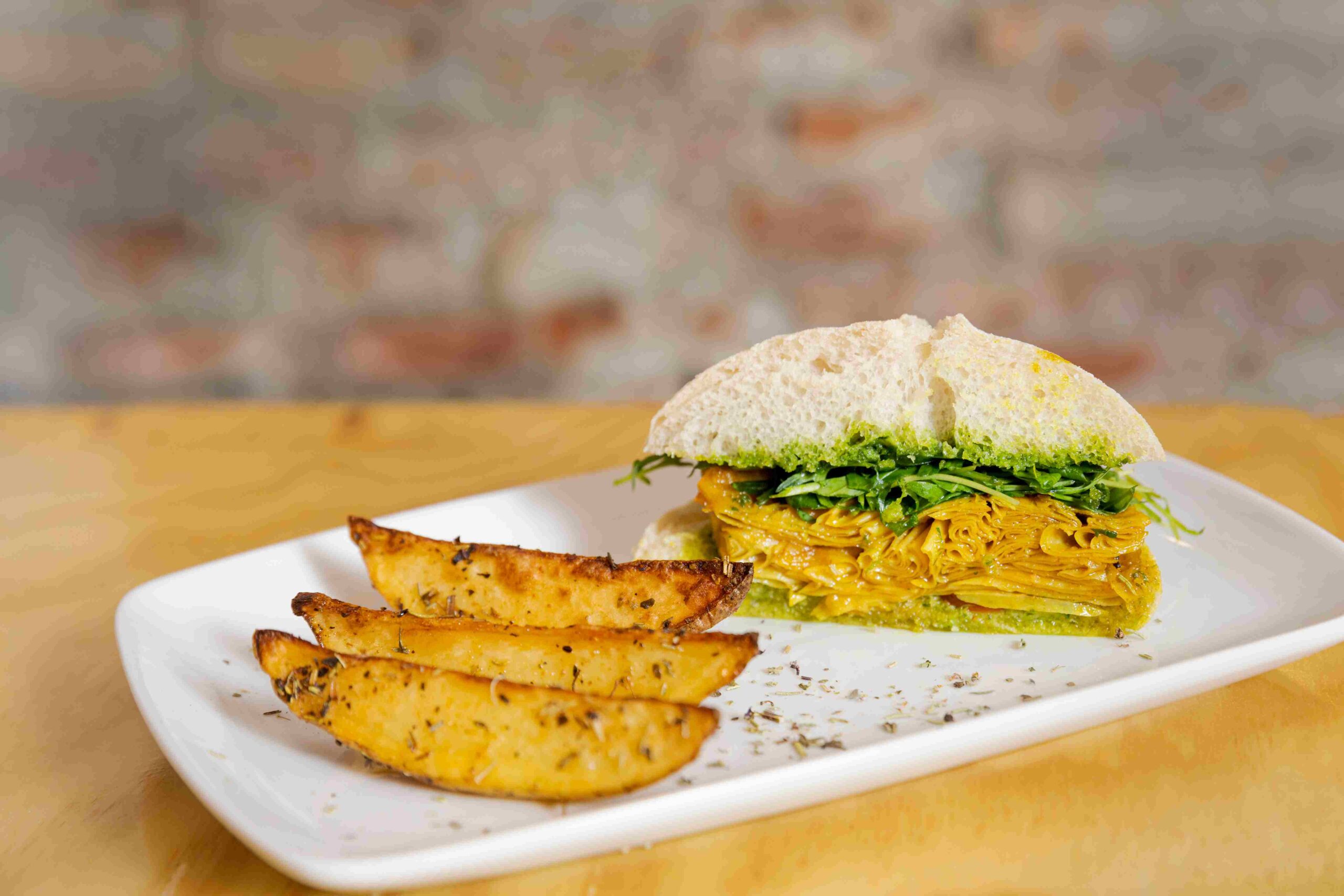
Peruvian food is known for its bold flavors, fresh ingredients, and the many cultures that have shaped it over the years. Peru has a rich food tradition, and what people eat can be quite different depending on where they live. Coastal areas are known for fresh seafood, while the Andes have hearty dishes made with potatoes, corn, and meat. The Amazon has its own cooking style, with local fish, plantains, yuca, fruits, and herbs.
In this traditional Peruvian food guide, you will find some of the dishes that are closely connected with Peru’s food culture. From well-known favorites like ceviche and lomo saltado to traditional meals that may be less familiar outside the country, each dish has its own story and flavor.
Peruvian cooking is not only about famous dishes. It is also about the ingredients, family recipes, and regional traditions behind them. You will learn about food from the coast, the Andes, and the Amazon, along with simple ideas for trying Peruvian dishes at home.
Whether you are visiting Peru, planning to try a Peruvian restaurant, or simply want to cook something different, this guide is a good place to start. There is a lot to discover, and you do not need to know much about Peruvian cooking to enjoy it.
Overview of Peruvian Cuisine
Peruvian cuisine is known for its variety, fresh ingredients, and strong connection to the country’s history. The food has developed over many generations, bringing together local ingredients and cooking traditions with influences from Spanish, African, Chinese, and Japanese communities.
What makes Peruvian food interesting is how much it changes from one region to another. Along the coast, fresh fish and seafood are used in many popular dishes. In the Andes, potatoes, corn, grains, and meat are important parts of everyday cooking. Amazonian cuisine has its own character, with local fish, plantains, yuca, tropical fruits, and herbs.
Some ingredients are especially important in Peruvian cooking. Peru is famous for its many varieties of potatoes, while corn and chili peppers are also used in a wide range of traditional dishes. Ingredients such as ají amarillo add both flavor and color to many recipes.
If you are new to Peruvian food, starting with a few classic dishes is a good way to understand the cuisine. Ceviche, lomo saltado, anticuchos, causa, and papa a la huancaína are just a few examples. You can also explore our guide to traditional Peruvian food to discover more dishes and learn about the foods enjoyed in different parts of Peru.
Peruvian cuisine is more than a list of famous recipes. The ingredients, cooking methods, family traditions, and regional differences all play a part in what makes the food special. Once you understand these basics, it becomes easier to appreciate the variety of dishes Peru has to offer.
Famous Foods in Peru
Peru has many dishes that are enjoyed by locals and have also become popular in other parts of the world. Some are simple everyday meals, while others are closely connected with celebrations, street food, or regional traditions. What they have in common is the use of fresh ingredients and plenty of flavor.
Ceviche is one of the best-known Peruvian dishes. It is made with fresh fish, lime juice, red onion, chili, and seasonings. The fresh and tangy flavor makes it especially popular in coastal areas.
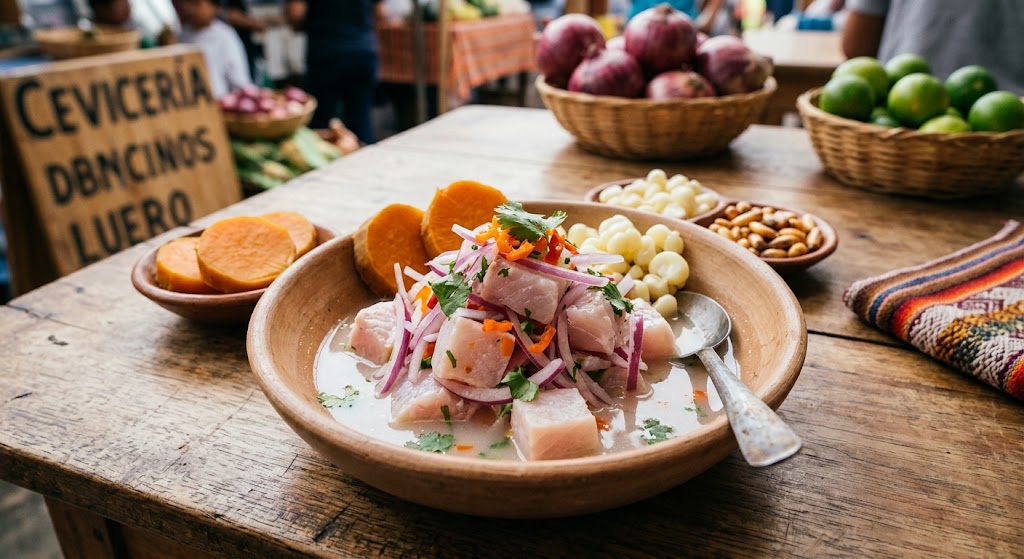
Another favorite is Lomo Saltado, a stir-fry made with beef, onions, tomatoes, and soy sauce. It is usually served with rice and fries and shows the influence of Chinese cooking on Peruvian food.
If you enjoy creamy and comforting dishes, Ají de Gallina is worth trying. It is made with shredded chicken in a rich sauce flavored with yellow chili and other ingredients. Causa Limeña is another classic, made with seasoned yellow potatoes and fillings such as chicken, tuna, or vegetables.
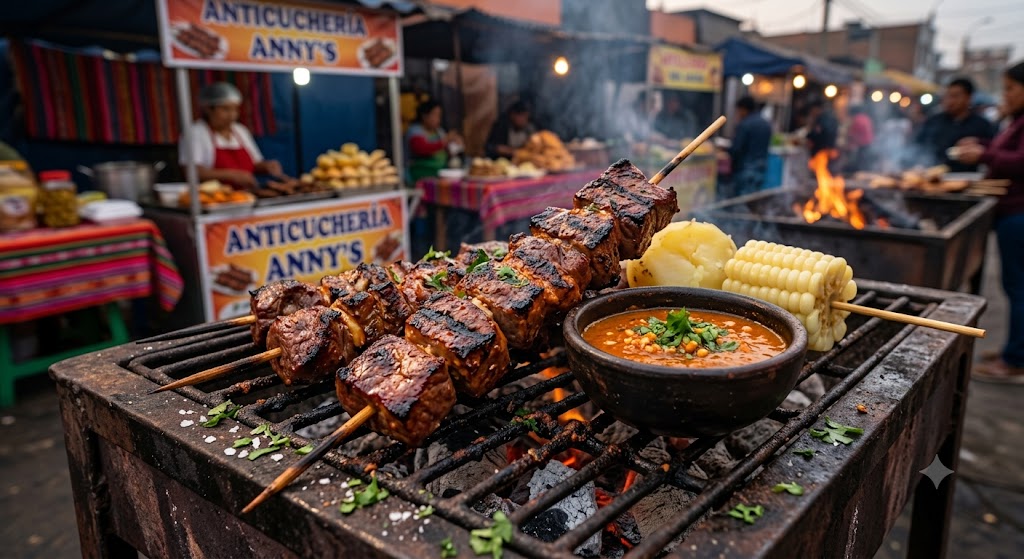
For something from the streets, Anticuchos are a popular choice. These grilled meat skewers are traditionally made with beef heart and are marinated before being cooked over a hot grill. You can learn more about this traditional dish in our guide to Peruvian Anticuchos.
These dishes are only a small part of what Peru has to offer. Trying different foods is one of the easiest ways to see how the country’s regions, ingredients, and cultural influences have shaped its cooking.
Regional Peruvian Cuisine
Peruvian food changes quite a bit from one part of the country to another. The coast, Andes, and Amazon all have their own ingredients and cooking traditions. This regional variety is one of the main reasons Peruvian cuisine has so many different dishes and flavors.
Peruvian Coastal Dishes
The coastal region is closely connected to the Pacific Ocean, so fish and seafood are an important part of local cooking. Ceviche is probably the most famous example. Fresh fish is combined with lime juice, red onion, chili, and seasonings to create a dish that is fresh, bright, and full of flavor. You can learn more about this classic dish in our Peruvian ceviche recipe.
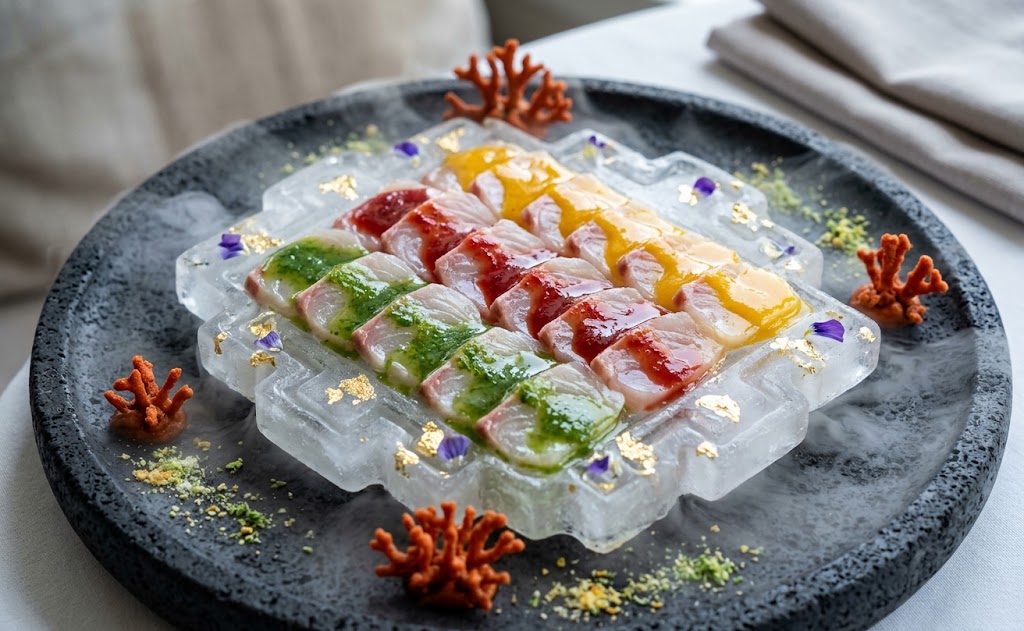
Tiradito is another popular seafood dish from the coast. It is made with thinly sliced raw fish and a flavorful sauce, but it is prepared differently from ceviche. Seafood soups and stews are also common, especially in areas where fresh fish is easy to find.
Lima has played an important role in the development of Peruvian cooking. The city’s food reflects both traditional Peruvian recipes and the influence of different cultures that have become part of its history. Along with seafood, you will find dishes made with rice, potatoes, chicken, and meat in homes and restaurants throughout the coastal region.
The food of the Peruvian coast shows how local ingredients can be turned into simple but memorable meals. Fresh seafood, citrus, chili, and herbs are used in many different ways, giving coastal cooking its own distinct character.
2. Andean Traditional Food
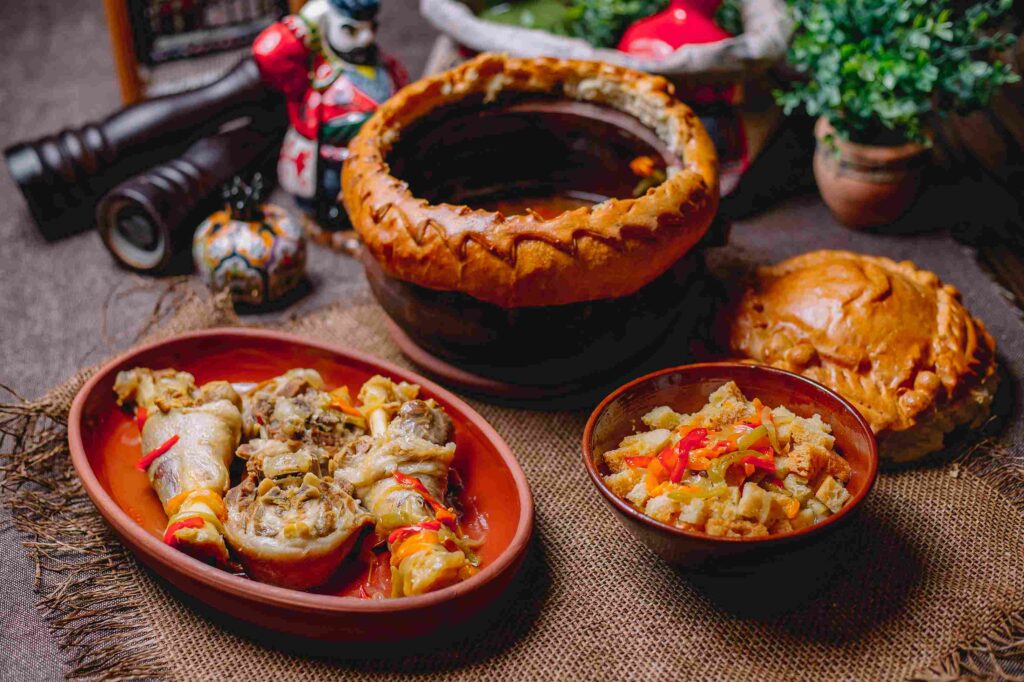
Food in the Andes is often hearty and filling, which makes sense in the cooler mountain climate. Potatoes, corn, quinoa, beans, and different types of meat are common ingredients in this region. Many recipes have been passed down within families and are still prepared in homes and local communities today.
Pachamanca, for example, is a traditional Andean meal in which meat, potatoes, corn, and other ingredients are cooked using heated stones. Other dishes use simple local ingredients in ways that create rich and comforting meals.
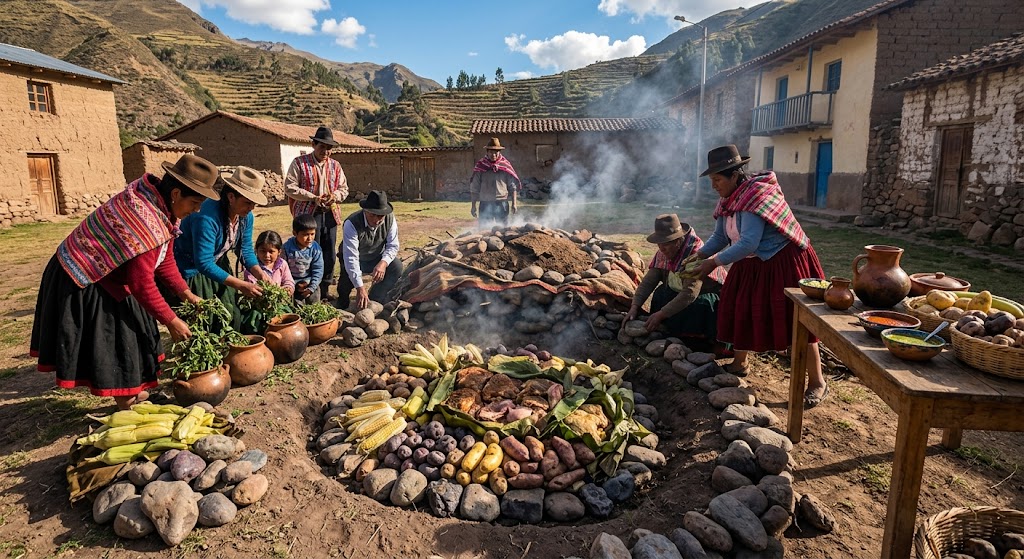
It is this connection to local products and older cooking traditions that gives Andean food its own character. Trying these dishes offers a different side of Peruvian cuisine from the seafood and lighter flavors often associated with the coast.
Amazonian Peruvian Cuisine
The Amazon has a very different food culture from Peru’s coastal and mountain regions. Local cooking makes use of freshwater fish, plantains, yuca, tropical fruits, and herbs that grow in the surrounding environment.
Fish is an important part of many Amazonian meals, while plantains and yuca are often served as sides or used in different preparations. Some ingredients may be unfamiliar to visitors, but they are an important part of everyday cooking in the region.
Amazonian dishes are not as widely known internationally as ceviche or lomo saltado, but they are an important part of Peru’s food identity. Exploring this regional cuisine gives you a better idea of just how much Peruvian food can vary from place to place.
Popular Peruvian Sauces and Condiments
Sauces and condiments are an important part of Peruvian cooking. They can add heat, freshness, color, or a deeper flavor to an otherwise simple dish.
Ají Amarillo is one of the most commonly used Peruvian chilies. It has a fruity flavor and moderate heat and is used in sauces, stews, chicken dishes, and other recipes.
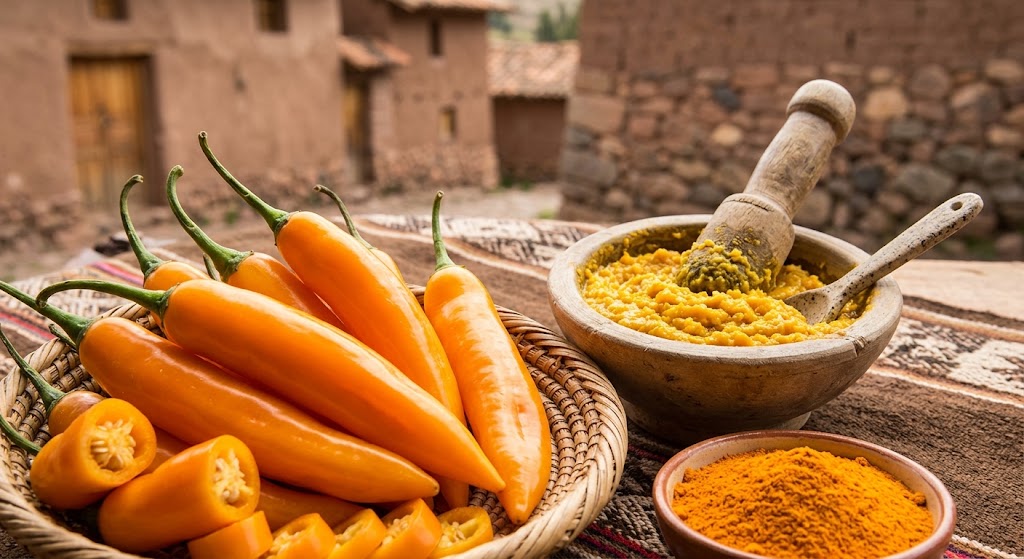
Huacatay, sometimes called Peruvian black mint, is another ingredient often used to add a fresh herbal flavor. It can be blended into sauces and served with potatoes, meat, or other traditional foods.
For those who enjoy more heat, rocoto sauce is a popular choice. Rocoto peppers have a strong kick and are often served alongside grilled meats, potatoes, or appetizers.
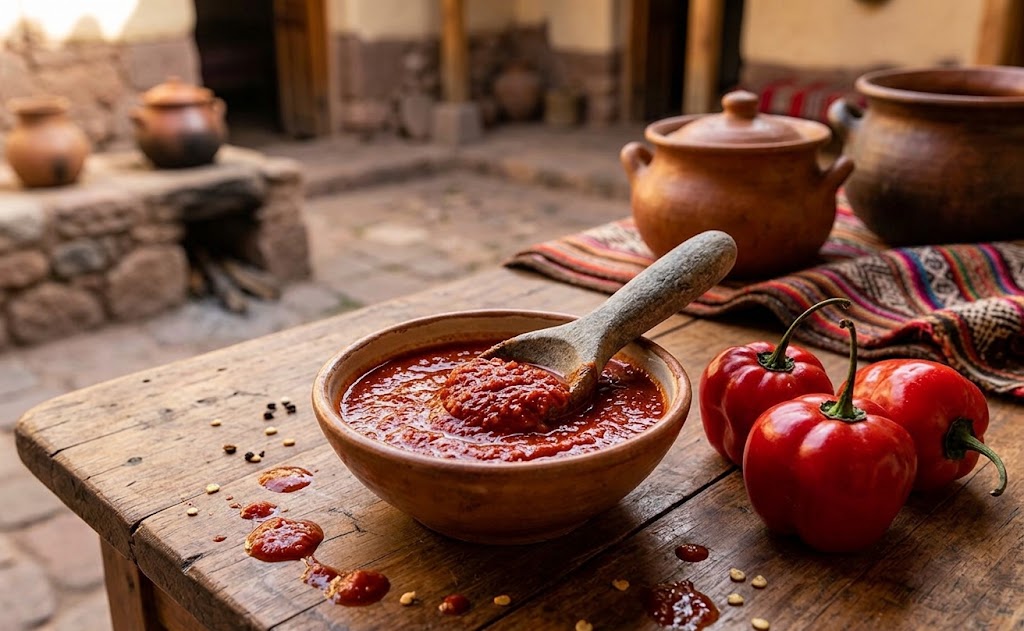
These sauces can make a big difference when cooking at home. If you are learning how to cook Peruvian food at home, starting with a simple sauce is an easy way to bring more Peruvian flavor to your meals.
Traditional Peruvian Meal Ideas
Putting together a Peruvian meal at home does not have to be complicated. You can choose one main dish, add a simple side, and finish with a traditional dessert if you want a complete meal.
For a fresh starter, ceviche is a popular choice, especially if you enjoy seafood. A light soup can also work well, particularly on a cooler day.
For the main course, lomo saltado, ají de gallina, or causa limeña are good options. Rice, potatoes, or corn can be served alongside the main dish, depending on the recipe.
A small serving of ají amarillo sauce or rocoto sauce can be placed on the side for extra flavor and heat. You can then finish the meal with a traditional dessert such as Suspiro a la Limeña or Picarones.
The best part of making a Peruvian meal at home is that you can start small. Choose one dish you like, learn how the ingredients work together, and try another recipe the next time. This is a simple way to get familiar with the variety of Peruvian cooking without making the meal feel complicated.
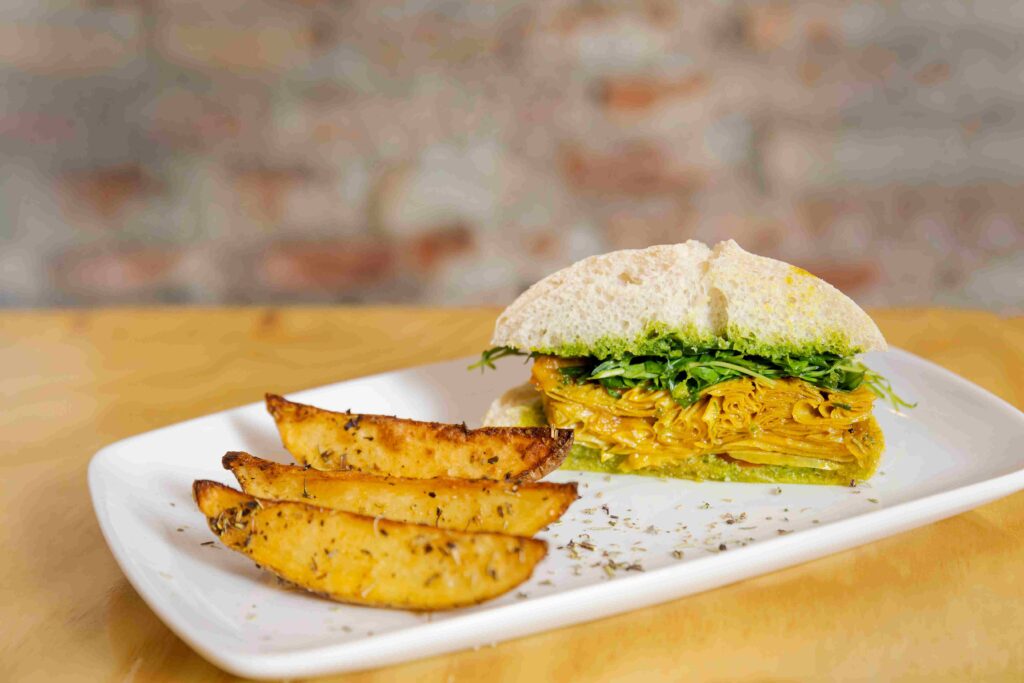
For a lighter or vegetarian meal, you can use ingredients such as quinoa, beans, potatoes, corn, and local vegetables. These ingredients can be combined in simple ways without losing the flavors that make Peruvian cooking special.
You can also adjust traditional recipes to suit your own preferences. For example, a potato or quinoa dish can make a satisfying meat-free meal, while beans and vegetables can be used for a simple family dinner. The important thing is to use good ingredients and keep the main flavors balanced.
These meal ideas work well for family dinners, weekends, special occasions, or simply when you want to try something different at home. You do not need to prepare several dishes at once. Starting with one traditional recipe is often the easiest way to become familiar with Peruvian cooking.
Desserts and Drinks
A Peruvian meal can be finished with a traditional dessert or drink. Peruvian sweets include a mix of old recipes and ingredients that have become part of the country’s food culture over time.
Picarones are one of the most popular choices. These soft fried rings are traditionally made with squash and sweet potato and are served with a sweet syrup. They are especially popular as a street food and are best enjoyed warm.
Another well-known dessert is Suspiro a la Limeña, a rich and creamy sweet from Lima. It is made with a smooth milk-based mixture and topped with soft meringue. Because it is quite rich, it is usually served in a small portion.
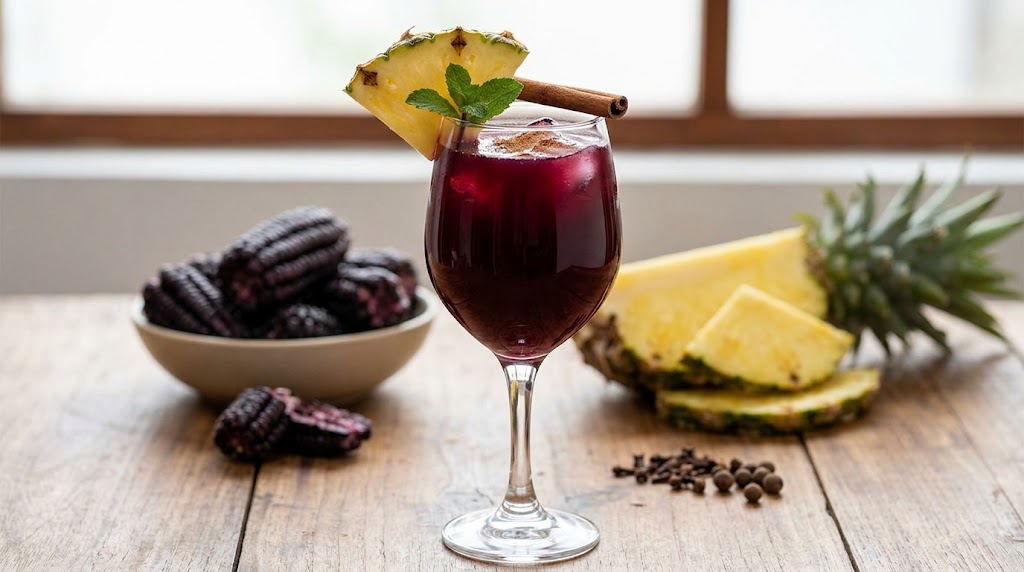
For drinks, Chicha Morada is a popular non-alcoholic choice made from purple corn, fruit, spices, and other ingredients. It has a sweet and refreshing flavor and is commonly served with meals.
Inca Kola is another drink closely associated with Peru. This bright yellow soda has a distinctive sweet flavor and is widely enjoyed with everyday meals and popular Peruvian dishes.
Trying traditional desserts and drinks is another way to understand Peru’s food culture. They add something different to a meal and show that Peruvian cooking is not limited to main dishes.
Conclusion
Peruvian food brings together the ingredients, traditions, and influences that have shaped the country over many generations. The food can be very different depending on where you are in Peru, from seafood along the coast to hearty meals in the Andes and distinctive dishes from the Amazon.
Ceviche, lomo saltado, anticuchos, causa, ají de gallina, and pollo a la brasa are some of the dishes that have helped make Peruvian cuisine well known outside the country. But these famous foods are only part of what Peru has to offer.
You can explore Peruvian cooking at a restaurant, try new dishes while traveling, or make a simple recipe at home. Starting with familiar ingredients such as potatoes, corn, rice, beans, or chicken can make it easier to get comfortable with new flavors.
There is no need to make an elaborate meal to enjoy Peruvian food. One good recipe, a flavorful sauce, and fresh ingredients can be enough to experience a small part of the country’s food culture.
If you want to discover more, our traditional Peruvian food guide covers more dishes and gives you a starting point for exploring the cuisine. From everyday meals to special occasion foods, there is always another Peruvian dish to try.

2 Comments
Pingback: Popular Foods in Peru 2026: Best Traditional & Modern Peru
Pingback: What Is Peruvian Food? Complete Guide to Famous Dishes