
Peruvian cuisine is known around the world for its fresh flavors, colorful ingredients, and rich food traditions. While dishes like ceviche and lomo saltado often get the spotlight, there is another side of Peruvian cooking that many people have yet to discover. Peruvian offal dishes have been enjoyed for generations and remain an important part of traditional family meals across the country.
The first time I learned about these recipes, I was surprised by how much care Peruvian families put into cooking every part of the animal. Instead of letting anything go to waste, they turned simple ingredients into comforting meals packed with flavor. After trying several of these recipes, I understood why they continue to be loved today.
From smoky grilled beef heart to slow-cooked beef lung stew, these Peruvian organ meat dishes highlight the creativity of traditional Peruvian cooking. They are often prepared with fresh garlic, onions, ají panca, ají amarillo, herbs, potatoes, and local spices that create rich and satisfying flavors.
In this guide, you’ll discover the most popular Peruvian offal dishes, learn what makes each recipe special, and find easy ingredient lists and simple cooking instructions you can follow at home.
What Are Peruvian Offal Dishes?
Peruvian offal dishes are traditional recipes made with organ meats instead of regular cuts of beef or chicken. These dishes use ingredients such as beef heart, tripe, liver, lungs, kidneys, cow’s feet, and chicken blood.
For many generations, Peruvians have believed in using every part of the animal. This tradition not only reduces waste but also creates delicious meals that are affordable and full of nutrients. Organ meats are naturally rich in protein, iron, vitamin B12, and other important minerals.
Today, these recipes continue to be served in family kitchens, local markets, and traditional restaurants throughout Peru.
Why Peruvian Offal Dishes Are Still Popular
These traditional meals remain favorites because they offer much more than great flavor.
- They are part of Peru’s culinary heritage.
- Organ meats are affordable and nutritious.
- Every region has its own cooking style.
- Many recipes have been passed down through generations.
- Traditional spices give every dish a rich and comforting taste.
- They make use of every part of the animal with very little waste.
Whether served at home or by street vendors, these recipes continue to bring people together around the table.
Traditional Peruvian Offal Dishes
Chanfainita (Traditional Beef Lung Stew)
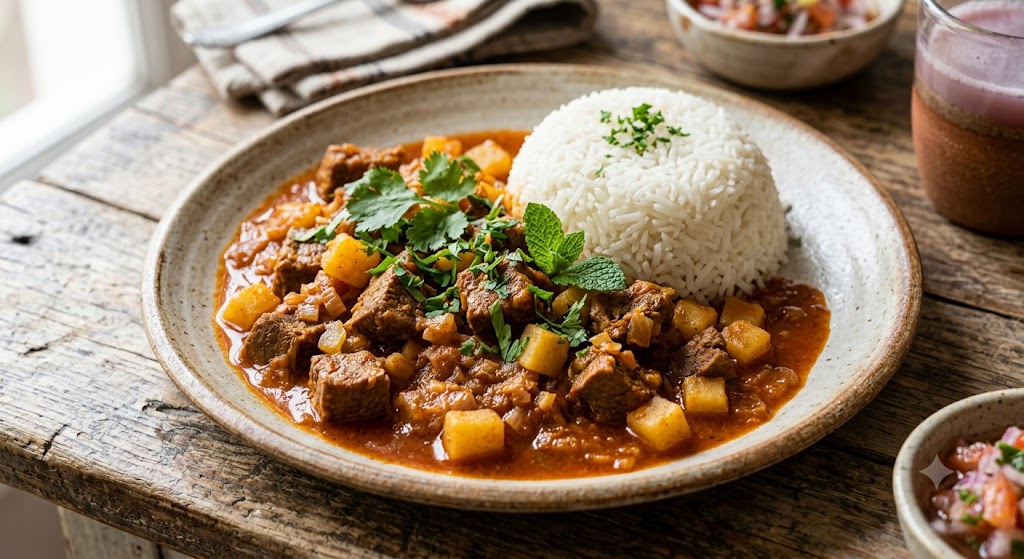
Chanfainita is one of the best-known Peruvian offal dishes. It is a hearty stew made with tender beef lung, potatoes, garlic, onions, and ají panca paste. This comforting meal is especially popular for lunch and is often served with steamed white rice.
Preparation Time: 20 minutes
Cooking Time: 1 hour 20 minutes
Total Time: 1 hour 40 minutes
Servings: 4 people
Ingredients
- 2 pounds beef lung, cleaned
- 4 medium potatoes, diced
- 1 large onion, finely chopped
- 4 garlic cloves, minced
- 2 tablespoons ají panca paste
- 1 teaspoon ground cumin
- 3 cups beef broth
- 2 tablespoons vegetable oil
- Salt to taste
- Black pepper to taste
- Fresh mint
- Fresh parsley
How to Make Chanfainita
Boil the beef lung until it becomes tender. Drain it, let it cool slightly, and cut it into small cubes.
Heat oil in a large pot and cook the onion until soft. Add the garlic, followed by the ají panca paste and cumin.
Mix in the beef lung and cook for a few minutes. Add the potatoes and pour in the beef broth. Let everything simmer until the potatoes are soft and the sauce thickens.
Finish with chopped mint and parsley before serving.
Serving Suggestion: Serve hot with white rice and fresh salsa criolla.
Anticuchos (Grilled Beef Heart Skewers)
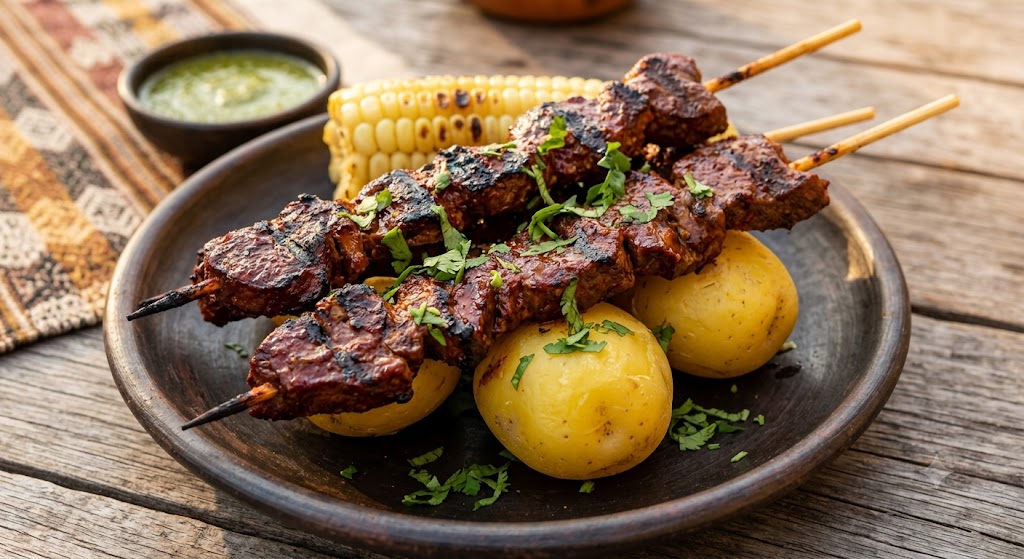
Anticuchos are among the most famous Peruvian offal dishes and are loved as a popular street food. The beef heart is marinated with traditional spices before being grilled until smoky and tender.
Preparation Time: 20 minutes
Marinating Time: 4 hours
Cooking Time: 15 minutes
Total Time: 4 hours 35 minutes
Servings: 4 people
Ingredients
- 2 pounds beef heart
- 3 tablespoons ají panca paste
- 4 garlic cloves, minced
- 2 tablespoons red wine vinegar
- 2 tablespoons vegetable oil
- 1 teaspoon cumin
- 1 teaspoon oregano
- Salt
- Black pepper
- Wooden skewers
How to Make Anticuchos
Trim the beef heart and cut it into cubes.
Combine the garlic, ají panca paste, vinegar, oil, cumin, oregano, salt, and pepper to make the marinade. Coat the meat well and refrigerate for at least four hours.
Thread the meat onto skewers and grill over medium-high heat for about 15 minutes, turning occasionally.
Brush with extra marinade while grilling for extra flavor.
Serving Suggestion: Serve with boiled potatoes, grilled corn, and spicy ají sauce.
Cau Cau (Traditional Tripe Stew)
Cau Cau is another classic Peruvian offal dish made with tender beef tripe, potatoes, garlic, onions, turmeric, and fresh mint. It has a rich, comforting flavor that makes it a favorite family meal.
Preparation Time: 20 minutes
Cooking Time: 2 hours
Total Time: 2 hours 20 minutes
Servings: 4 people
Ingredients
- 2 pounds beef tripe
- 5 potatoes, diced
- 1 onion, chopped
- 3 garlic cloves, minced
- 1 tablespoon turmeric
- 1 teaspoon cumin
- 3 cups beef broth
- 2 tablespoons vegetable oil
- Fresh mint
- Salt
- Black pepper
How to Make Cau Cau
Wash the tripe carefully and boil it until very tender. Cut it into small pieces.
Cook the onion in oil until soft. Add the garlic, turmeric, and cumin.
Stir in the cooked tripe, potatoes, and beef broth.
Simmer until the potatoes are fully cooked and the broth thickens slightly.
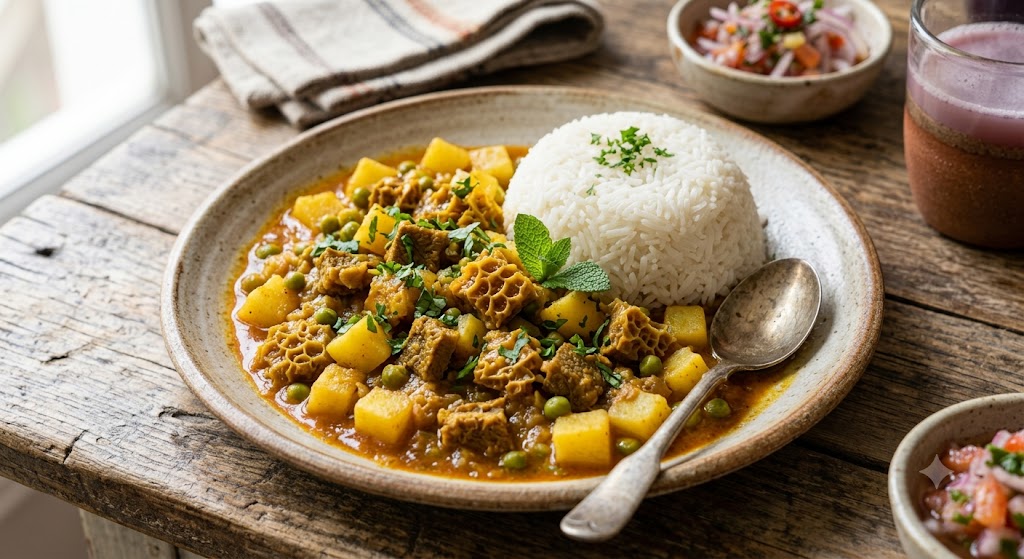
Mix in fresh chopped mint before serving.
Serving Suggestion: Enjoy with steamed rice and a fresh saladTraditional Peruvian Offal Dishes (Continued)
Mondonguito a la Italiana (Italian-Style Tripe)
Mondonguito a la Italiana is a delicious fusion dish that combines Peruvian ingredients with Italian cooking techniques. Unlike heavier stews, this recipe features tender strips of beef tripe cooked with tomatoes, vegetables, and herbs in a light, flavorful sauce. It is colorful, comforting, and perfect for a family lunch.
Preparation Time: 20 minutes
Cooking Time: 2 hours
Total Time: 2 hours 20 minutes
Servings: 4 people
Ingredients
- 2 pounds beef tripe, cleaned
- 1 large onion, chopped
- 3 garlic cloves, minced
- 2 tomatoes, diced
- 1 carrot, cut into thin strips
- ½ cup green peas
- 2 tablespoons tomato paste
- 1 teaspoon dried oregano
- 2 tablespoons vegetable oil
- Salt to taste
- Black pepper to taste
- Fresh parsley for garnish
How to Make Mondonguito a la Italiana
Boil the cleaned beef tripe until it becomes tender. Let it cool slightly before cutting it into thin strips.
Heat vegetable oil in a large pan. Cook the onion until soft, then stir in the garlic. Add the tomatoes, tomato paste, carrots, peas, oregano, salt, and pepper.
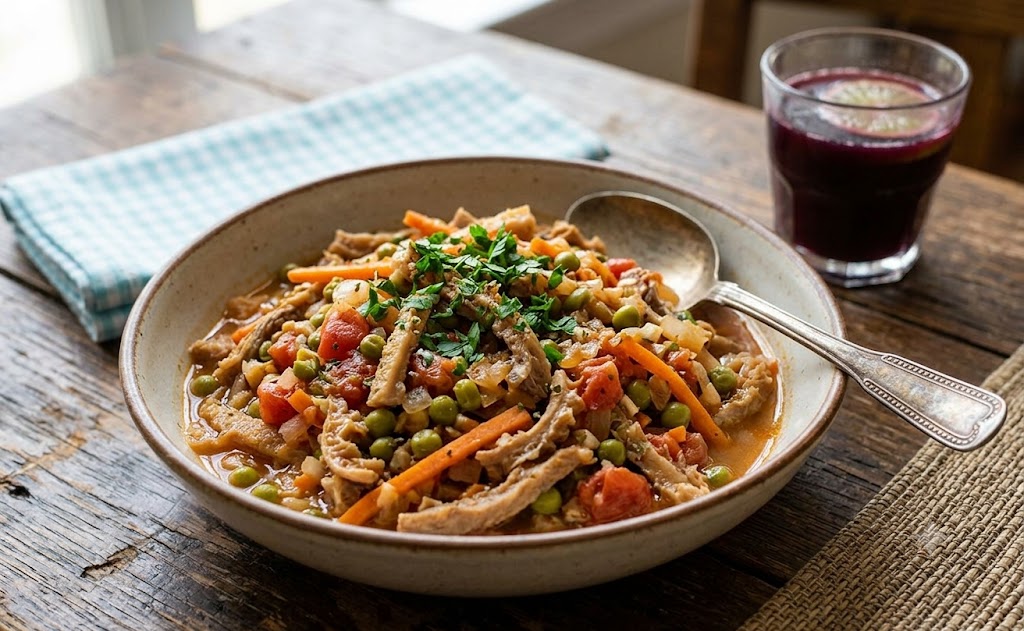
Mix in the sliced tripe and cook everything together for about 15 minutes until the vegetables are tender and the sauce thickens slightly.
Sprinkle fresh parsley over the top before serving.
Serving Suggestion: Serve with steamed white rice or creamy mashed potatoes.
Rachi (Grilled Beef Tripe)
Rachi is one of Peru’s favorite grilled street foods. Tender beef tripe is marinated with traditional spices and cooked over charcoal until slightly crispy on the outside while remaining juicy inside.
Preparation Time: 20 minutes
Marinating Time: 3 hours
Cooking Time: 20 minutes
Total Time: 3 hours 40 minutes
Servings: 4 people
Ingredients
- 2 pounds beef tripe
- 2 tablespoons ají panca paste
- 4 garlic cloves, minced
- 2 tablespoons vinegar
- 2 tablespoons vegetable oil
- 1 teaspoon cumin
- 1 teaspoon oregano
- Salt
- Black pepper
How to Make Rachi
Wash the tripe thoroughly and boil until almost tender.
Prepare the marinade by mixing ají panca paste, garlic, vinegar, oil, cumin, oregano, salt, and pepper.
Cover the tripe with the marinade and refrigerate for at least three hours.
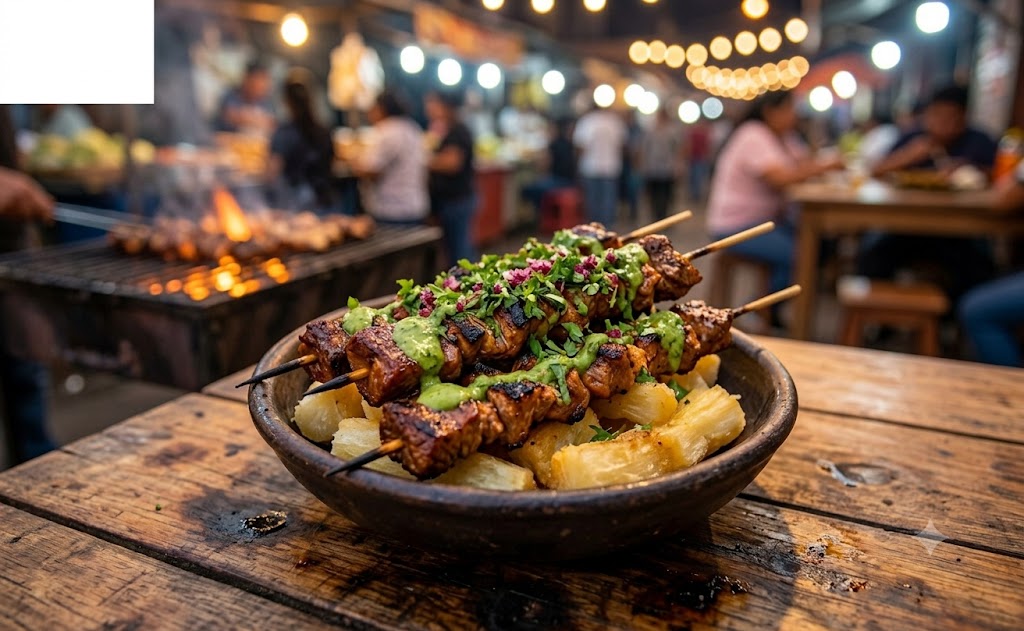
Grill over medium-high heat for about 20 minutes, turning several times until lightly charred.
Serving Suggestion: Serve with boiled potatoes, grilled corn, and fresh salsa criolla.
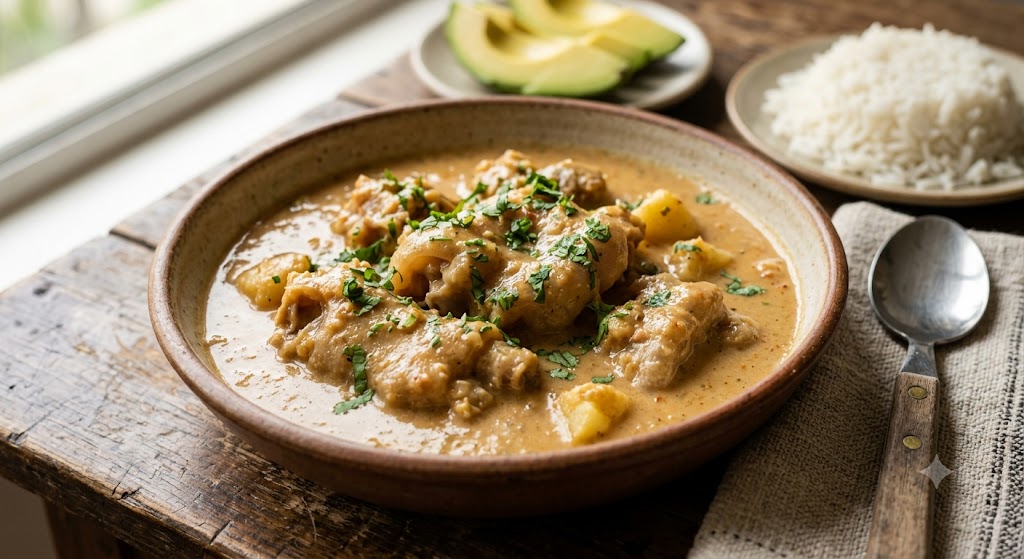
Patita con Maní (Cow’s Feet in Peanut Sauce)
Patita con Maní is a comforting homemade dish that combines slow-cooked cow’s feet with a creamy peanut sauce. The meat becomes very tender and absorbs the rich flavors of garlic, onions, and traditional Peruvian spices.
Preparation Time: 20 minutes
Cooking Time: 3 hours
Total Time: 3 hours 20 minutes
Servings: 4 people
Ingredients
- 2 pounds cow’s feet
- 1 onion, chopped
- 3 garlic cloves, minced
- ½ cup ground peanuts
- 2 tablespoons ají panca paste
- 1 teaspoon cumin
- 3 cups beef broth
- 2 tablespoons vegetable oil
- Salt
- Black pepper
How to Make Patita con Maní
Cook the cow’s feet until very tender.
In another pot, sauté the onion and garlic. Add the ají panca paste and cumin.
Stir in the ground peanuts and beef broth until smooth.
Add the cooked cow’s feet and simmer for about 30 minutes so the flavors blend together.
Season to taste before serving.
Serving Suggestion: Serve with steamed rice and sliced avocado.
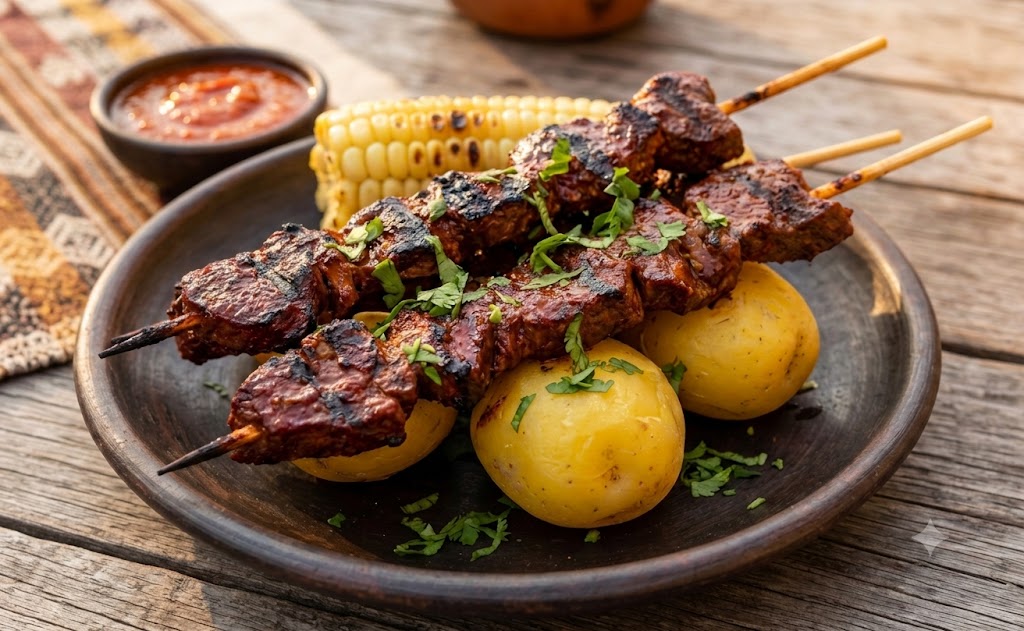
Choncholí (Grilled Beef Intestines)
Choncholí is a traditional street food enjoyed in many parts of Peru. The cleaned intestines are marinated with local spices before being grilled over charcoal, giving them a smoky flavor and slightly crispy texture.
Preparation Time: 25 minutes
Marinating Time: 3 hours
Cooking Time: 20 minutes
Total Time: 3 hours 45 minutes
Servings: 4 people
Ingredients
- 2 pounds cleaned beef intestines
- 2 tablespoons ají panca paste
- 4 garlic cloves
- 2 tablespoons vinegar
- 2 tablespoons vegetable oil
- 1 teaspoon cumin
- 1 teaspoon oregano
- Salt
- Black pepper
How to Make Choncholí
Wash the intestines carefully and boil them until almost tender.
Prepare the marinade using garlic, ají panca paste, vinegar, oil, cumin, oregano, salt, and pepper.
Marinate for three hours.
Grill until lightly crispy and fully cooked.
Serving Suggestion: Serve with boiled potatoes and spicy green sauce.
Higado Encebollado Peruano (Peruvian Liver and Onions)
This classic family recipe is simple, nutritious, and full of flavor. Tender slices of beef liver are cooked with caramelized onions and mild Peruvian spices, creating a quick and satisfying meal.
Preparation Time: 15 minutes
Cooking Time: 15 minutes
Total Time: 30 minutes
Servings: 4 people
Ingredients
- 2 pounds beef liver
- 2 onions, sliced
- 3 garlic cloves
- 1 tablespoon ají amarillo paste
- 2 tablespoons vegetable oil
- Salt
- Black pepper
- Fresh parsley
How to Make Higado Encebollado
Slice the liver into medium-sized pieces.
Heat oil in a skillet and cook the onions until soft. Add garlic and ají amarillo paste.
Place the liver into the pan and cook only a few minutes on each side to keep it tender.
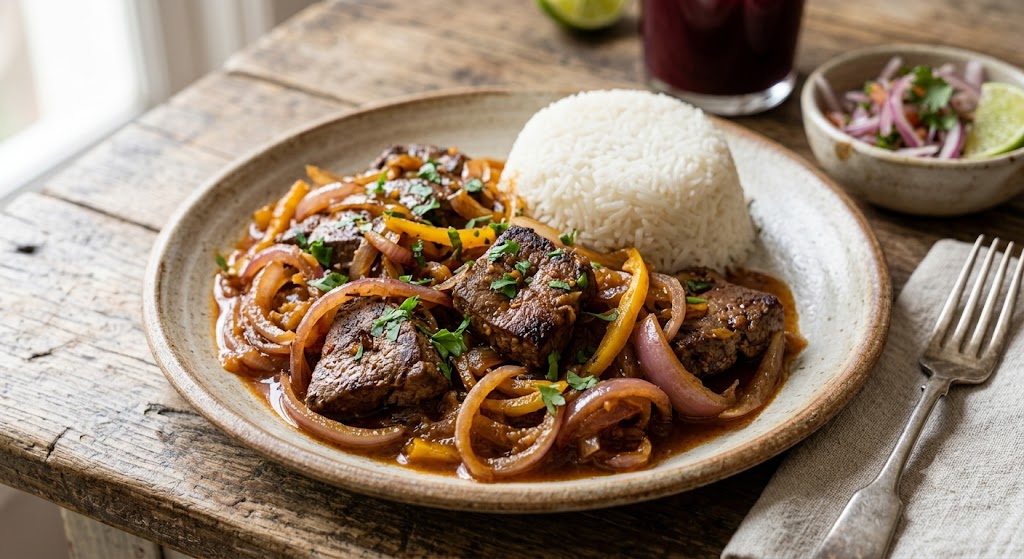
Season with salt and pepper before garnishing with fresh parsley.
Serving Suggestion: Serve with rice, mashed potatoes, or fresh bread.
Riñones al Vino (Beef Kidneys in Wine Sauce)
Riñones al Vino is a traditional Peruvian dish that transforms beef kidneys into a rich and flavorful meal. The kidneys are carefully cleaned before being cooked in a savory sauce made with onions, garlic, herbs, and red wine. When prepared properly, the meat becomes tender and pairs perfectly with rice or mashed potatoes.
Preparation Time: 20 minutes
Cooking Time: 35 minutes
Total Time: 55 minutes
Servings: 4 people
Ingredients
- 2 pounds beef kidneys
- 1 large onion, finely chopped
- 4 garlic cloves, minced
- ½ cup red wine
- 1 cup beef broth
- 2 tablespoons butter
- 1 tablespoon vegetable oil
- 1 teaspoon dried oregano
- Salt to taste
- Black pepper to taste
- Fresh parsley, chopped
How to Make Riñones al Vino
Wash the beef kidneys thoroughly and remove any white membranes. Cut them into bite-sized pieces.
Heat the butter and vegetable oil in a large skillet. Cook the onion until soft, then add the garlic and oregano.
Add the kidneys and cook for about five minutes until lightly browned.
Pour in the red wine and let it simmer for a few minutes before adding the beef broth.
Cook over medium heat until the sauce becomes slightly thick and the kidneys are tender.
Finish with fresh parsley before serving.
Serving Suggestion: Serve with mashed potatoes, steamed rice, or roasted vegetables.
Sesos Rebozados (Breaded Beef Brains)
Sesos Rebozados is a traditional comfort food that has been enjoyed in Peru for many years. The beef brains are gently cooked, coated in breadcrumbs, and fried until golden and crispy. The inside stays soft while the outside develops a light, crunchy texture.
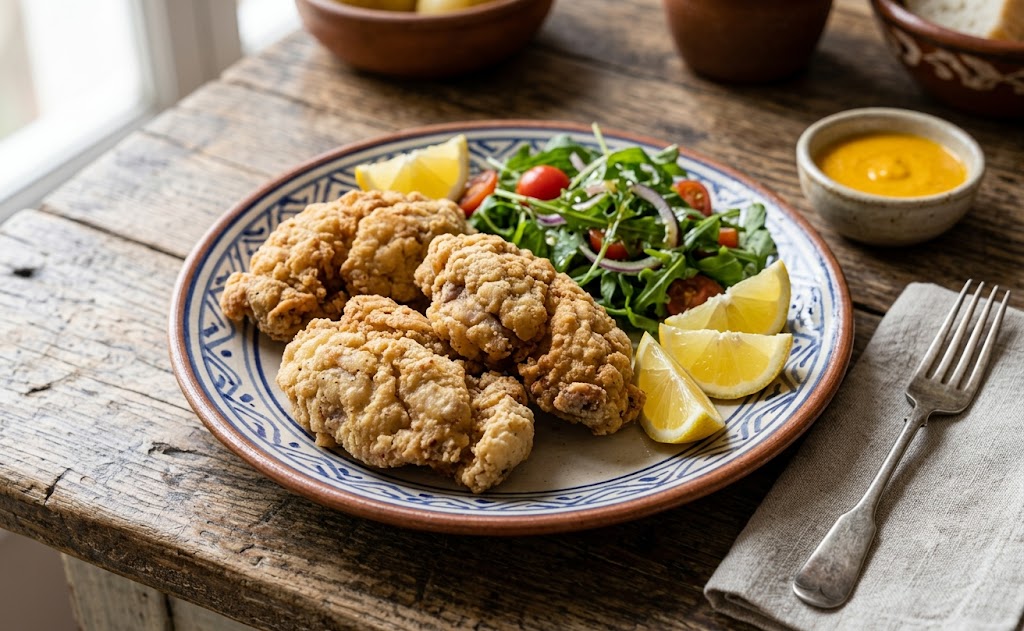
Preparation Time: 25 minutes
Cooking Time: 20 minutes
Total Time: 45 minutes
Servings: 4 people
Ingredients
- 2 beef brains
- 2 eggs
- 1 cup all-purpose flour
- 1½ cups breadcrumbs
- 1 teaspoon salt
- ½ teaspoon black pepper
- Vegetable oil for frying
- Lemon wedges
How to Make Sesos Rebozados
Rinse the beef brains carefully and simmer them in lightly salted water for about 10 minutes.
Allow them to cool before slicing into medium pieces.
Season with salt and pepper.
Coat each piece in flour, dip into beaten eggs, and cover with breadcrumbs.
Heat the oil in a frying pan and fry until both sides are golden brown.
Drain on paper towels before serving.
Serving Suggestion: Serve with a fresh green salad, boiled potatoes, and lemon wedges.
Criadillas a la Parrilla (Grilled Bull Testicles)
Criadillas a la Parrilla is a traditional countryside recipe often prepared during family gatherings and outdoor barbecues. The meat is marinated with simple seasonings before being grilled over charcoal, giving it a smoky and delicious flavor.
Preparation Time: 20 minutes
Marinating Time: 2 hours
Cooking Time: 20 minutes
Total Time: 2 hours 40 minutes
Servings: 4 people
Ingredients
- 2 pounds bull testicles
- 3 garlic cloves, minced
- 2 tablespoons olive oil
- 1 tablespoon lemon juice
- 1 teaspoon oregano
- Salt to taste
- Black pepper to taste
How to Make Criadillas a la Parrilla
Clean the meat carefully and remove the outer membrane.
Slice into medium-sized pieces.
Mix the garlic, olive oil, lemon juice, oregano, salt, and pepper to make the marinade.
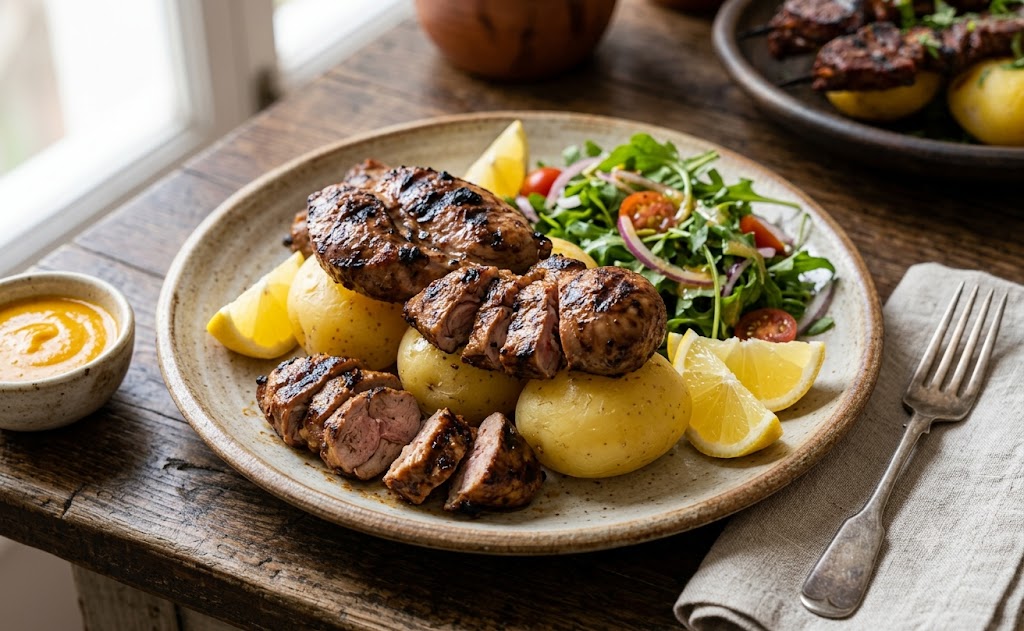
Coat the meat well and refrigerate for about two hours.
Grill over medium heat until fully cooked and lightly browned.
Serving Suggestion: Enjoy with grilled vegetables, boiled potatoes, or fresh salad.
Caldo de Patas (Cow’s Feet Soup)
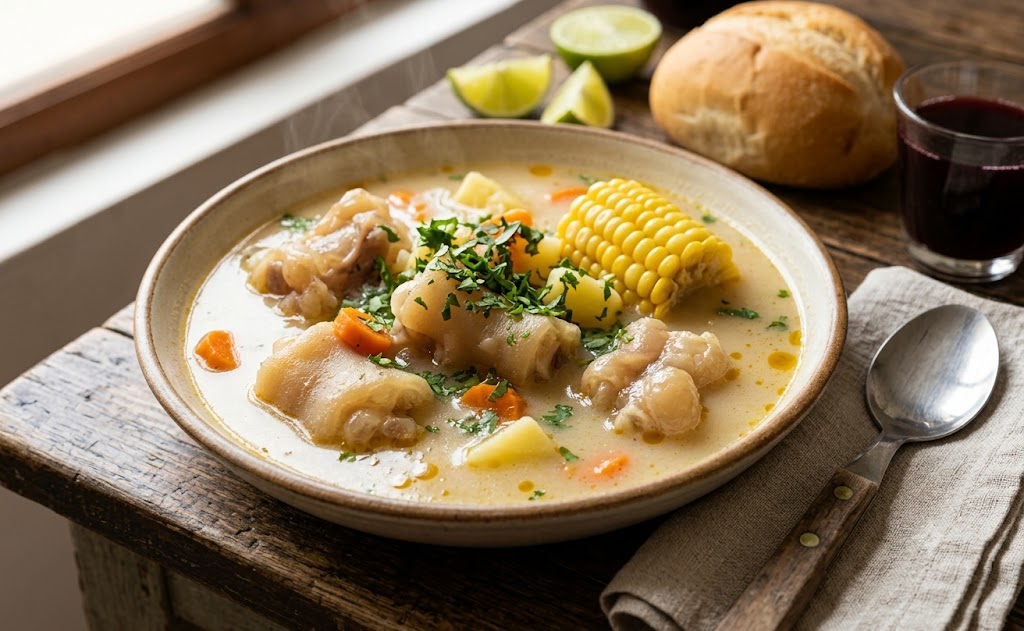
Caldo de Patas is a nourishing soup that is especially popular during the colder months. Slow cooking gives the broth a rich flavor while making the cow’s feet soft and tender. It is often enjoyed as a comforting family meal.
Preparation Time: 20 minutes
Cooking Time: 3 hours
Total Time: 3 hours 20 minutes
Servings: 6 people
Ingredients
- 2 pounds cow’s feet
- 2 carrots, sliced
- 2 potatoes, diced
- 2 ears of corn, cut into pieces
- 1 onion, chopped
- 3 garlic cloves, minced
- 2 celery stalks
- 8 cups beef broth
- Salt to taste
- Black pepper to taste
- Fresh cilantro
How to Make Caldo de Patas
Wash the cow’s feet thoroughly.
Place them in a large pot with the beef broth and cook until very tender.
Add the onion, garlic, carrots, celery, corn, and potatoes.
Continue cooking until all the vegetables are soft.
Season with salt and pepper before adding chopped cilantro.
Serving Suggestion: Serve hot with crusty bread and fresh lime wedges.
Sopa de Mondongo (Traditional Tripe Soup)
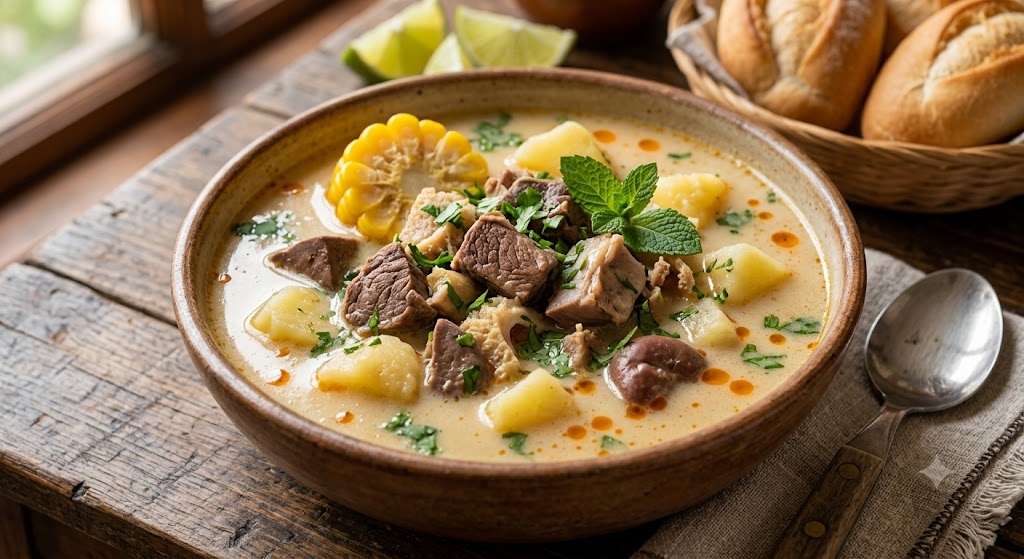
Sopa de Mondongo is one of the most comforting Peruvian offal dishes. This hearty soup combines tender beef tripe with vegetables and herbs in a flavorful broth, making it a favorite family meal.
Preparation Time: 20 minutes
Cooking Time: 2 hours
Total Time: 2 hours 20 minutes
Servings: 6 people
Ingredients
- 2 pounds beef tripe
- 2 potatoes, diced
- 2 carrots, sliced
- 2 ears of corn, cut into pieces
- 1 onion, chopped
- 3 garlic cloves, minced
- 8 cups beef broth
- Salt
- Black pepper
- Fresh parsley
How to Make Sopa de Mondongo
Clean the tripe well and boil until tender.
Cut it into bite-sized pieces.
Cook the onion and garlic in a large pot before adding the broth.
Add the tripe, potatoes, carrots, and corn.
Simmer until all the vegetables are fully cooked.
Garnish with fresh parsley before serving.
Serving Suggestion: Enjoy with fresh bread and a squeeze of lime.
Chupe de Menudencias (Mixed Organ Meat Soup)
Chupe de Menudencias is a traditional Peruvian soup prepared with a variety of organ meats, vegetables, and flavorful spices. It is filling, nutritious, and often served during family gatherings.
Preparation Time: 25 minutes
Cooking Time: 2 hours 30 minutes
Total Time: 2 hours 55 minutes
Servings: 6 people
Ingredients
- 2 pounds mixed organ meats
- 1 onion, chopped
- 4 garlic cloves, minced
- 2 potatoes, diced
- 1 ear of corn, sliced
- 2 tablespoons ají amarillo paste
- 8 cups beef broth
- 2 tablespoons vegetable oil
- Salt
- Black pepper
- Fresh cilantro
How to Make Chupe de Menudencias
Clean the organ meats thoroughly and cook them until tender.
In another pot, sauté the onion and garlic until soft.
Add the ají amarillo paste and stir well.
Pour in the broth before adding the potatoes and corn.
Mix in the cooked organ meats and simmer until everything is tender.
Finish with chopped cilantro before serving.
Serving Suggestion: Serve hot with white rice or warm bread.
What Do Peruvian Offal Dishes Taste Like?
If you’ve never tried Peruvian offal dishes, you might wonder what they taste like. The flavor depends on the type of organ meat and the cooking method.
Beef heart has a rich, meaty taste that is very similar to steak but with a firmer texture. Beef lung is light and soft, making it perfect for slow-cooked stews like Chanfainita. Tripe has a mild flavor and easily absorbs the spices and seasonings used during cooking. Liver has a bold, earthy taste that pairs well with onions and herbs, while kidneys offer a stronger flavor that becomes milder when cleaned and cooked properly.
Traditional Peruvian spices such as ají panca, ají amarillo, garlic, cumin, oregano, and fresh herbs add warmth and depth to these recipes. The result is a collection of comforting meals that are rich in flavor without being overly spicy.
Common Ingredients Used in Peruvian Offal Dishes
Although every recipe is different, many Peruvian offal dishes share the same fresh ingredients.
Some of the most common ingredients include:
- Beef heart
- Beef lung
- Beef tripe
- Beef liver
- Beef kidneys
- Cow’s feet
- Chicken blood
- Onion
- Garlic
- Potatoes
- Ají Panca Paste
- Ají Amarillo Paste
- Cumin
- Oregano
- Black pepper
- Fresh parsley
- Fresh cilantro
- Mint
- Beef broth
- Vegetable oil
These ingredients create the authentic flavors that make traditional Peruvian cooking so unique.
Are Peruvian Offal Dishes Healthy?
Yes, many Peruvian offal dishes can be part of a healthy and balanced diet when enjoyed in moderation.
Organ meats are naturally rich in nutrients that support overall health.
Health Benefits
- Excellent source of high-quality protein
- Rich in iron
- High in vitamin B12
- Good source of zinc
- Contains important minerals for energy and immune health
Things to Keep in Mind
Because organ meats contain cholesterol, it is best to enjoy them as part of a balanced diet. Pairing these dishes with vegetables, rice, or potatoes creates a satisfying and well-rounded meal.
Best Side Dishes to Serve with Peruvian Offal Dishes
The right side dishes help balance the rich flavors of organ meat recipes.
Some traditional options include:
- Steamed white rice
- Boiled potatoes
- Roasted potatoes
- Grilled corn
- Salsa Criolla
- Fresh green salad
- Cooked yuca
- French bread
- Avocado slices
- Ají sauce
These simple sides are commonly served with many traditional Peruvian meals.
Tips for Cooking Peruvian Offal Dishes
Cooking organ meats may seem challenging at first, but a few simple tips can make a big difference.
- Buy fresh, high-quality ingredients from a trusted butcher.
- Clean organ meats carefully before cooking.
- Remove excess fat and membranes when needed.
- Slow cooking helps tougher cuts become tender.
- Use fresh herbs and traditional Peruvian spices for the best flavor.
- Avoid overcooking liver because it can become dry.
- Marinate beef heart and tripe before grilling for extra flavor.
- Taste the seasoning before serving and adjust if needed.
Following these tips will help you prepare delicious and authentic meals every time.
Where to Try Authentic Peruvian Offal Dishes
If you ever visit Peru, you’ll find these traditional recipes in many places.
Some of the best locations include:
- Local markets in Lima
- Traditional family-owned restaurants
- Street food stalls
- Regional food festivals
- Small neighborhood eateries known as huariques
These places often prepare recipes using family traditions that have been passed down for generations.
Frequently Asked Questions
What are Peruvian offal dishes?
Peruvian offal dishes are traditional meals made with organ meats such as beef heart, tripe, liver, lungs, kidneys, and cow’s feet. They are an important part of Peru’s culinary heritage.
Which Peruvian offal dish is the most popular?
Anticuchos and Chanfainita are among the most popular. Anticuchos are famous street food, while Chanfainita is a traditional homemade stew enjoyed across Peru.
Are organ meats healthy?
Yes. Organ meats provide protein, iron, vitamin B12, and several other important nutrients. They can be part of a balanced diet when eaten in moderation.
What is Chanfainita made of?
Chanfainita is prepared with beef lung, potatoes, onions, garlic, ají panca paste, cumin, herbs, and beef broth.
Is tripe commonly eaten in Peru?
Yes. Tripe is used in several traditional dishes, including Cau Cau, Mondonguito a la Italiana, Rachi, and Sopa de Mondongo.
Can beginners cook Peruvian offal dishes?
Absolutely. Many recipes use simple ingredients and easy cooking methods. With proper cleaning and slow cooking, beginners can prepare delicious traditional meals at home.
Which Peruvian offal dish is best for first-time visitors?
Anticuchos are an excellent choice because beef heart has a familiar texture and smoky grilled flavor that many people enjoy.
How should organ meats be stored?
Store fresh organ meats in the refrigerator and cook them within one or two days. Cooked dishes can be refrigerated for up to three days in an airtight container.
Conclusion
Peruvian offal dishes are a wonderful example of Peru’s rich culinary traditions. From the smoky flavor of Anticuchos to the comforting warmth of Chanfainita and the hearty taste of Cau Cau, each recipe tells a story of family, culture, and creativity.
These traditional meals show how simple ingredients can become unforgettable dishes when prepared with care and authentic Peruvian seasonings. Whether you’re looking to explore new flavors or learn more about traditional Peruvian cuisine, these recipes are a great place to start.
If you’re ready to experience authentic Peruvian cooking, choose one of these recipes, gather your ingredients, and enjoy bringing a taste of Peru into your own kitchen.

2 Comments
Pingback: Fat Burning Peruvian Foods | Healthy Peruvian Diet for Weigh
Pingback: Light & Healthy Peruvian Meals: 15 Fresh & Easy Recipes