
I didn’t plan on writing about Peruvian breakfast foods when I first landed in Lima. I was there for two weeks, mostly chasing ceviche and pisco sours, and breakfast felt like an afterthought — something to get through before the “real” meals started. That changed by day three, somewhere between a chicharrón sandwich from a cart outside my hostel and a bowl of quinoa porridge a host mother in Cusco insisted I finish before leaving the house.
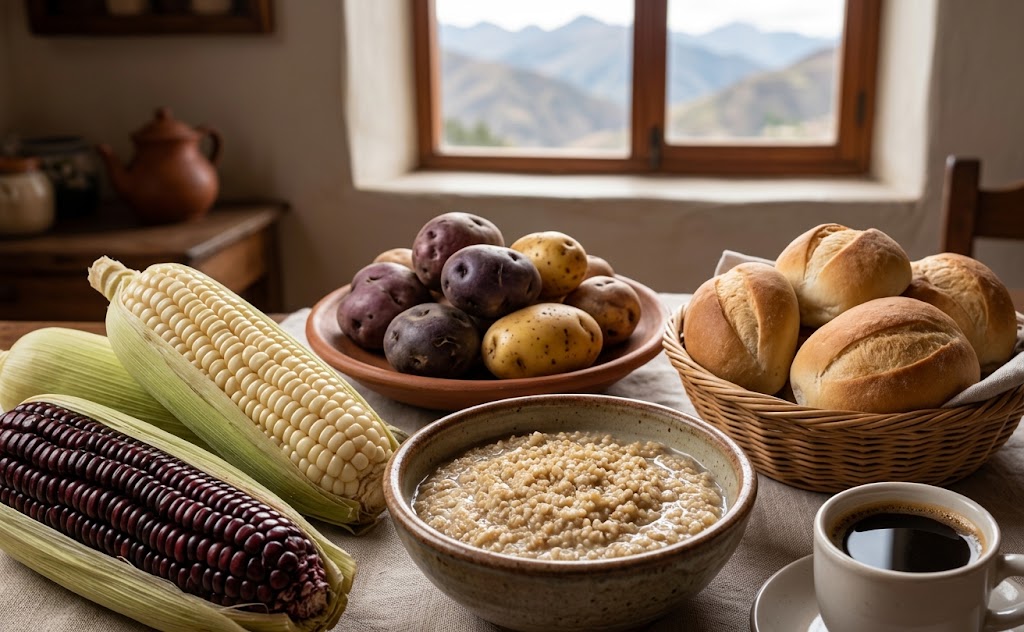
What struck me wasn’t just the flavor, though that was reason enough to pay attention. It was how differently breakfast is treated depending on where you are. Coastal Lima leans toward bread, eggs, and something fried. Head up into the Andes and corn and grains take over — quinoa, choclo, tamales wrapped in husks. There’s no single “Peruvian breakfast,” and honestly that’s part of what makes it worth exploring.
What Makes Peruvian Breakfast Food Different
A lot of it comes down to ingredients that don’t really show up elsewhere. Corn in Peru isn’t the sweet yellow stuff most people grow up with — it’s starchier, often white or purple, and it holds a savory, almost nutty flavor once cooked. Same with the potatoes. Peru has thousands of native varieties, and while most of them show up at lunch or dinner, a few sneak into breakfast dishes too, especially in the highlands.
Then there’s the Spanish influence layered on top of all that — bread, in particular. Lima has this whole culture of neighborhood panaderías that open before sunrise, and the bread coming out of them in the early morning is genuinely one of the best things about staying in a Peruvian city. It’s simple, usually just flour, water, salt, and yeast, but it’s fresh in a way that’s hard to find once you’re back home buying bread that’s been sitting on a shelf for days.
Traditional Peruvian Breakfast Foods You’ll Actually Find
Pan con Chicharrón
This was the one that got me. Pan con chicharrón is a sandwich built around fried pork — usually pork belly or shoulder, cooked until the outside turns crisp and the inside stays tender — stuffed into a crusty bread roll with sweet potato and a tangy onion salsa called salsa criolla.
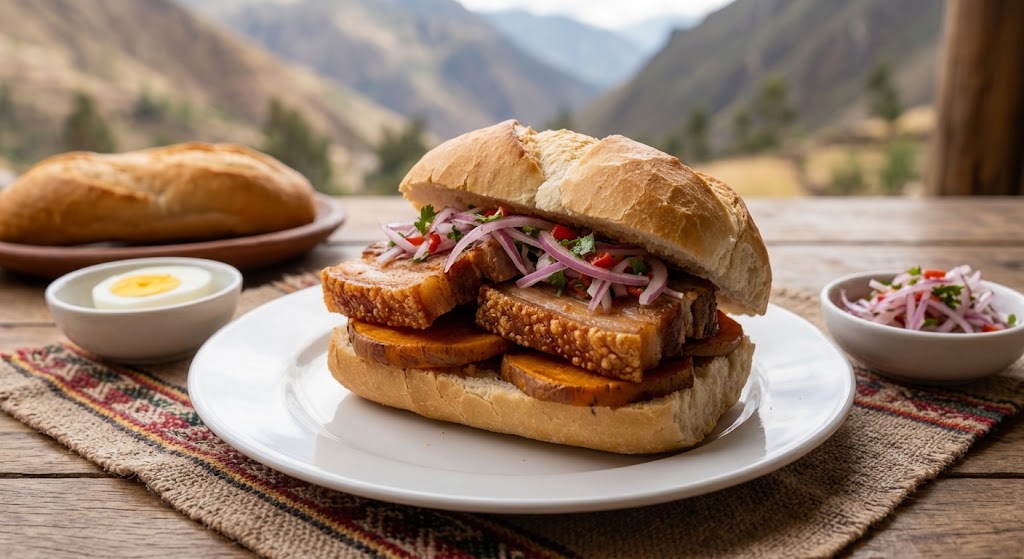
The combination sounds heavy on paper, but it works because of the contrast. The sweet potato cuts through the richness of the pork, and the vinegar-forward onion salsa keeps the whole thing from feeling like too much. I had mine from a stall near a market in Lima on a Sunday morning, standing up, juice running down my hand, and it remains one of the better breakfast decisions I’ve made while traveling.
Tamales
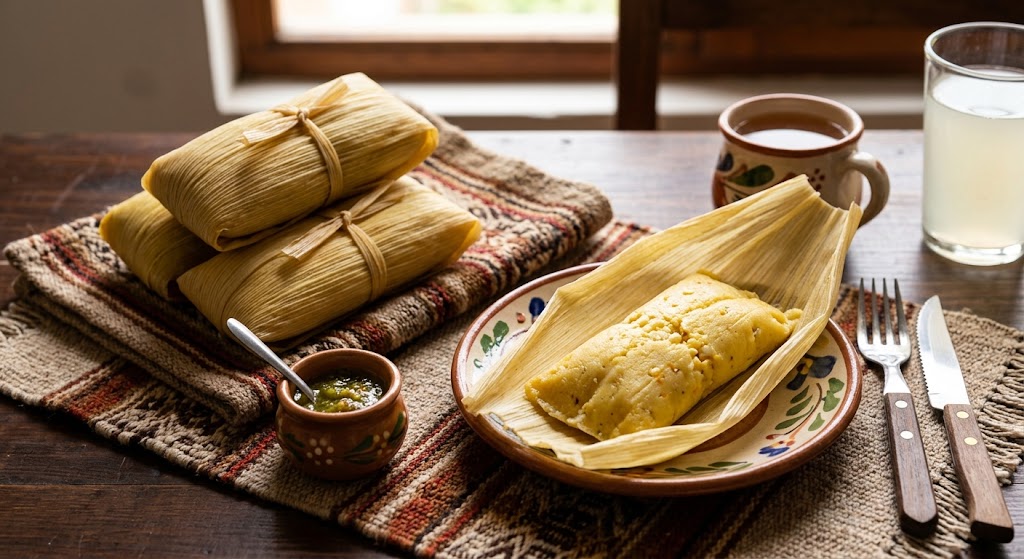
Peruvian tamales don’t taste like the ones I grew up eating in a Mexican restaurant back home, and that surprised me the first time. They’re built from a corn dough, sometimes studded with olives, hard-boiled egg, or a piece of meat, then wrapped in banana leaf or corn husk and steamed for hours until the whole thing turns soft and slightly sticky.
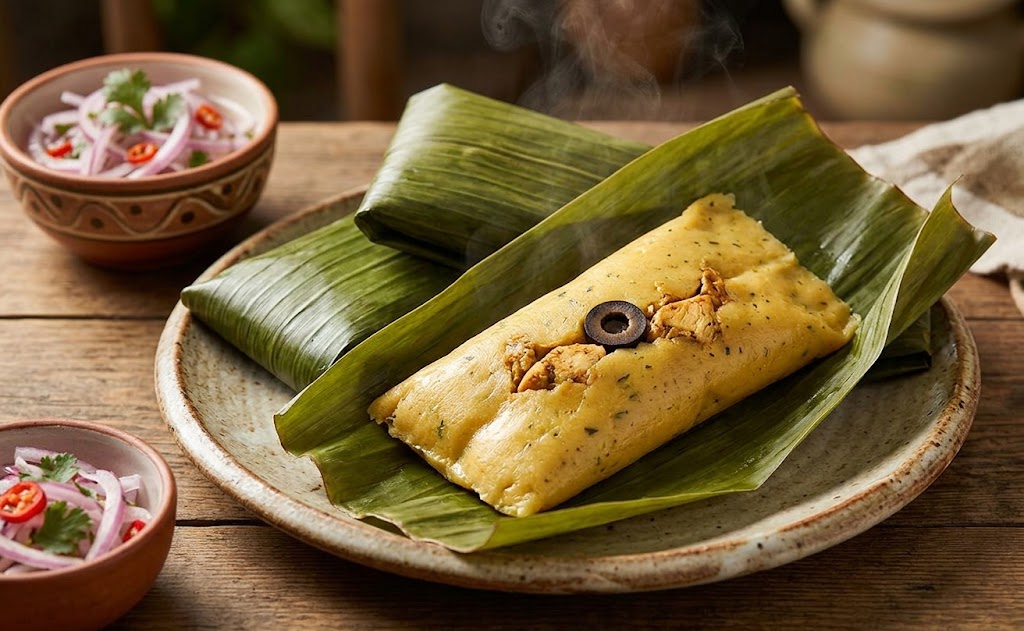
Street vendors sell them early, and I noticed people grabbing one on the way to work more often than sitting down to eat it properly. It travels well, which probably explains why it’s stuck around as a go-to breakfast for so long.
Humitas
Humitas are close cousins to tamales but made almost entirely from fresh corn rather than a processed dough — blended kernels, a bit of cheese, sometimes sugar if you’re getting the sweet version instead of the savory one. Wrapped in husks and steamed, they come out soft, a little sweet even in the savory version, and genuinely comforting in a way that’s hard to describe until you’ve had one.
I preferred the cheese version, but I met more than one person in Arequipa who wouldn’t touch anything but the sweet kind with a bit of sugar mixed through.
Quinoa Porridge
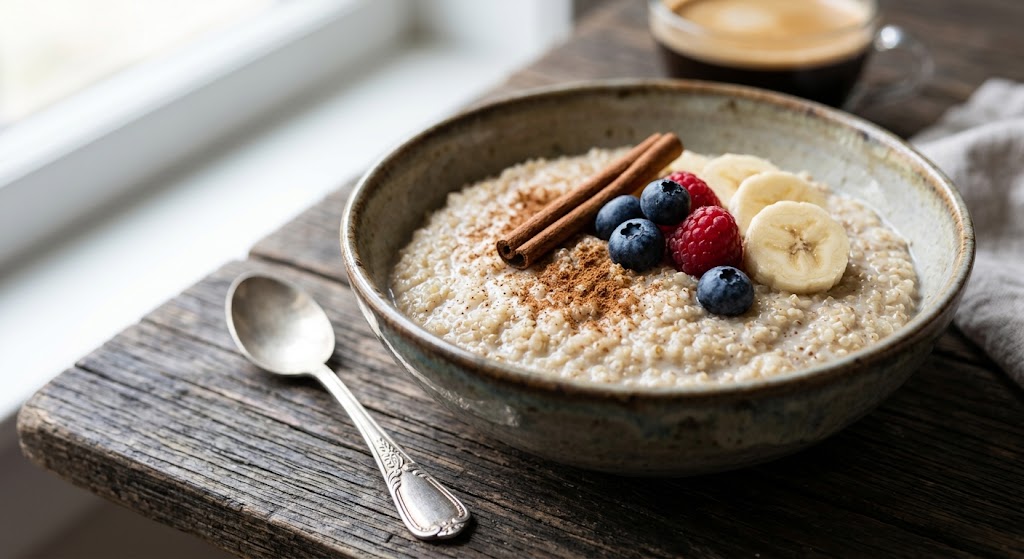
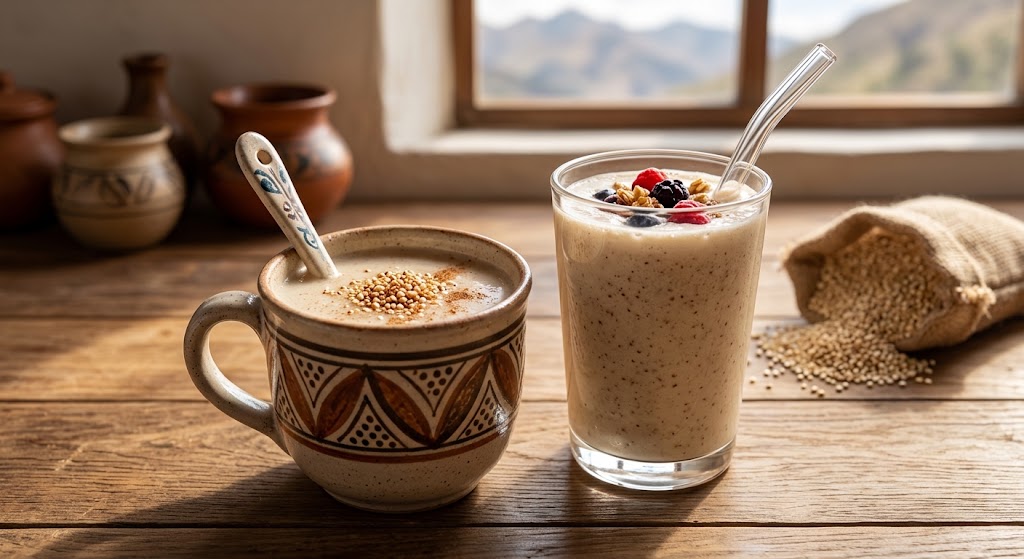
Quinoa shows up constantly once you’re in the highlands, and the breakfast version is closer to oatmeal than anything else — cooked slowly in milk with a bit of sugar and usually a stick of cinnamon, sometimes finished with fruit. It’s filling in a way that surprised me; a single bowl kept me going through a full morning of walking around Cusco without needing anything else.
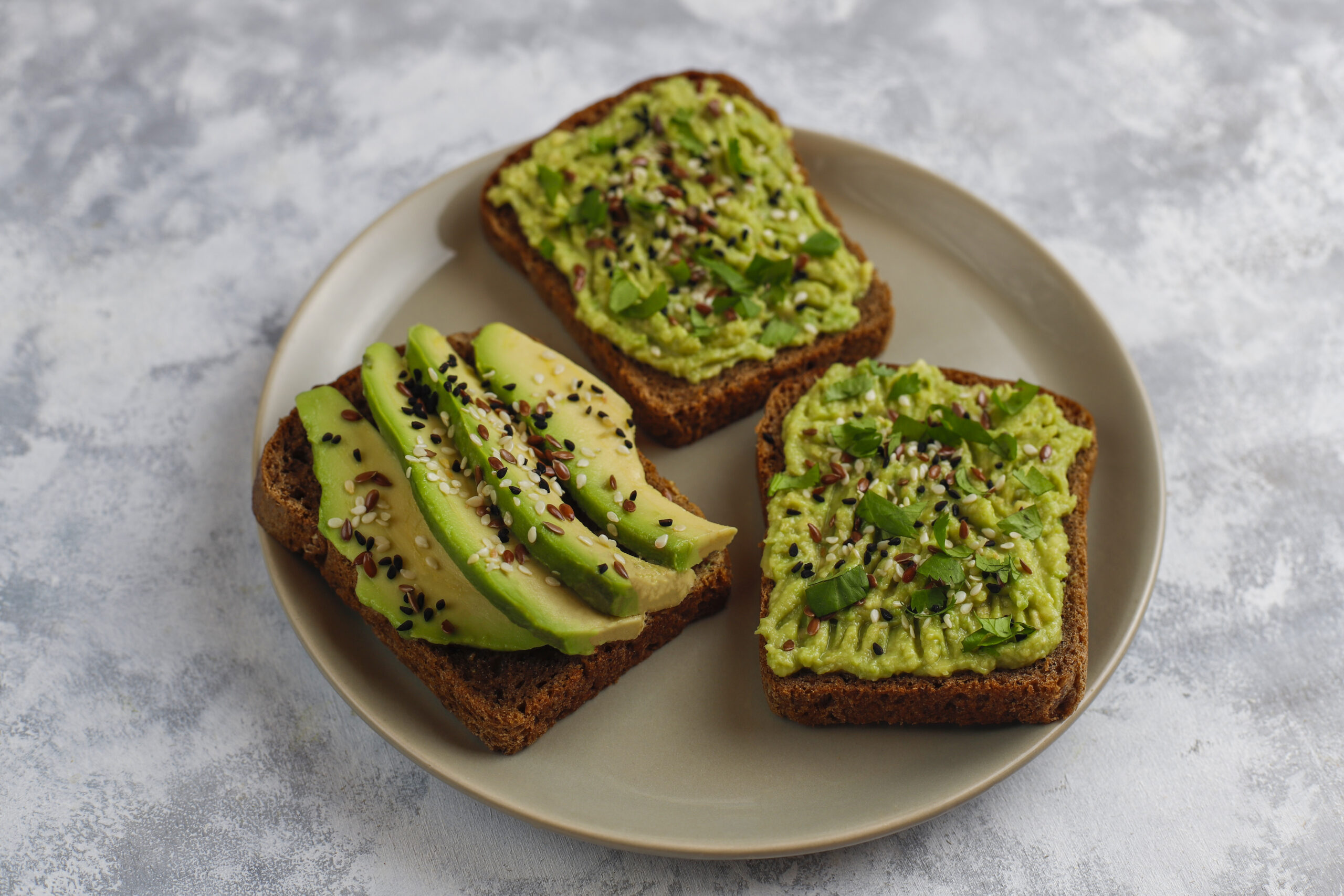
Bread with Avocado
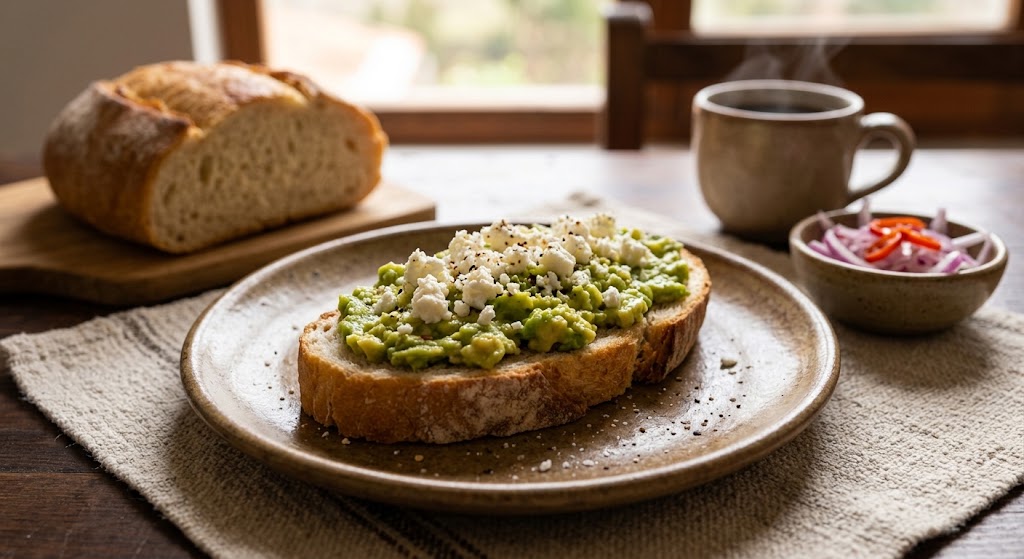
Simple, and probably the most common thing I saw on breakfast tables in Lima — fresh bread split open and spread with mashed avocado, sometimes with a slice of cheese layered in. It’s not fancy, but good bread and good avocado don’t need much help.
Everyday Breakfasts People Actually Eat
Not every morning in Peru involves chicharrón or tamales. Most days look a lot simpler.
Bread with butter or cheese is the default in a lot of households — the same fresh bread from the local bakery, torn apart and spread with whatever’s on hand.
Eggs with bread, usually fried or scrambled, show up often too, sometimes tucked into a small sandwich rather than served on a plate.
Fresh fruit is everywhere given how much of it Peru grows — papaya, mango, banana, orange — often just sliced and eaten on its own or with a bit of yogurt.
Avena caliente, a warm oat drink closer to a thin porridge than a solid oatmeal, is popular on cooler mornings, especially in the mountains where the temperature actually drops overnight.
Bakery sandwiches — small, quick, usually cheese, ham, or egg — are what a lot of people grab on their way out the door when there isn’t time for anything more.
What People Actually Drink With Breakfast
Café Peruano. Peru grows genuinely good coffee, though a lot of it gets exported rather than kept locally, which is a bit of a shame. What’s served at breakfast is usually strong, taken black or with milk and sugar.
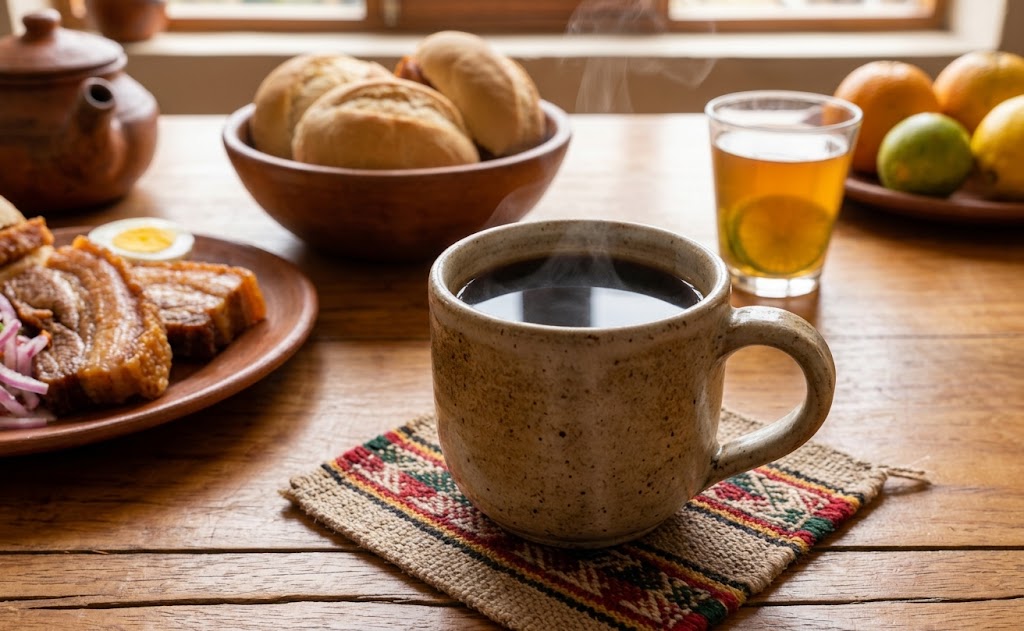
Emoliente. This one I hadn’t heard of before arriving — a warm herbal drink made from a mix of barley, flaxseed, and various herbs, sold from carts especially in the early morning. It has a slightly thick, almost medicinal quality to it, and plenty of people swear by its health benefits. I can’t verify any of that, but it grew on me by the second week.
Fresh fruit juice. With this much fruit available, juice is everywhere — orange, papaya, mango, passion fruit, usually made fresh that morning rather than from a carton.
Quinoa drinks. A thinner, more drinkable version of the porridge — quinoa cooked down with milk, sugar, and cinnamon until it’s closer to a beverage than a bowl of food.
Peruvian Breakfast Foods Recipes Worth Trying at Home
Pan con Chicharrón
Serves 2 | Prep: 20 minutes | Cook: 40 minutes
Ingredients: 500g pork belly or shoulder (2-inch chunks), 1 tsp salt, ½ tsp cumin, 2 tbsp vegetable oil, 1 medium sweet potato (peeled, sliced), 1 red onion (thinly sliced), juice of 2 limes, 2 crusty bread rolls, salt and pepper to taste
Instructions: Season the pork with salt and cumin, let it sit for 10 minutes. Boil the sweet potato rounds in salted water for about 12 minutes until just tender, then drain. Heat oil in a heavy skillet over medium-high heat, add the pork, and cook 15–18 minutes, turning occasionally, until deeply browned and crisp. Toss the onion with lime juice and a pinch of salt, let it sit for 10 minutes to soften. Split the rolls, layer in pork, sweet potato, and pickled onion, and eat while hot.
Humitas
Makes 8 | Prep: 25 minutes | Cook: 40 minutes
Ingredients: 4 cups fresh corn kernels, ½ cup milk, 3 tbsp softened butter, ¾ cup crumbled queso fresco, 1 tsp salt (or 3 tbsp sugar for sweet version), 16 corn husks (soaked 20 minutes)
Instructions: Blend the corn with milk until coarse and slightly chunky. Mix in the butter, cheese, and salt or sugar. Lay two overlapping husks flat, spoon in about ⅓ cup of filling, fold the sides and bottom, and tie with a husk strip. Steam for 35–40 minutes until firm, then rest 5 minutes before unwrapping.
Quinoa Breakfast Bowl
Serves 2 | Prep: 5 minutes | Cook: 20 minutes
Ingredients: 1 cup quinoa (rinsed), 2 cups milk, 2 tbsp honey or sugar, ½ tsp cinnamon, ½ cup sliced banana or berries
Instructions: Combine quinoa and milk, bring to a gentle boil, then reduce to a low simmer, cover, and cook 15–18 minutes until soft. Stir in honey and cinnamon, top with fruit, and serve.
Is Peruvian Breakfast Actually Healthy?
It depends which version you’re eating, honestly. A tamal or a chicharrón sandwich isn’t exactly light — they’re satisfying in a way that’s meant to carry you through a full morning of work, not something you’d call diet food.
But a lot of the everyday breakfasts lean healthier than people expect. Quinoa alone is a solid source of protein and iron, and it shows up constantly in porridge, bowls, and drinks. Fresh fruit is cheap and everywhere, so it ends up on most tables in some form. Avocado on bread gives you healthy fats without much effort. If you’re trying to eat reasonably well while still getting a real taste of the food, leaning toward quinoa bowls, fruit, and bread with avocado over the fried stuff is an easy way to do it — though I’d still make an exception for chicharrón at least once.
Questions People Usually Ask
What do people in Peru actually eat for breakfast?
It varies by region and household, but bread with cheese or avocado, eggs, fresh fruit, and tamales are all common. Coastal areas lean toward bread and eggs; the highlands lean toward corn and grains.
Is it sweet or savory?
Both, depending on the day. Savory options like eggs, cheese, and tamales are more common, but sweet bread and sweetened porridge show up plenty too.
What do people drink with breakfast?
Coffee is the most common, followed by fresh fruit juice and, in some regions, emoliente — the herbal drink sold from street carts.
Do people eat rice for breakfast?
Not typically as an everyday thing, though heavier weekend breakfasts in some households do include it.
Can I actually make this at home?
Yes — none of these recipes require special equipment, and most of the ingredients are easy to find outside Peru too. Humitas are probably the trickiest simply because of the wrapping and steaming, but they’re forgiving if your first few come out a little messy.
Final Thoughts
What I keep coming back to about Peruvian breakfast food is how unpretentious most of it is. Nobody’s plating these dishes for a photo — they’re built to be eaten quickly, standing up, on the way to somewhere else, or slowly at a kitchen table with family around. That’s probably why the flavors feel so genuine; there’s no performance to it, just food that’s been made the same way for a long time because it works.
If you ever get the chance to spend a morning in Peru, skip the hotel buffet and find a bakery or a street cart instead. It’s a small thing, but it’s one of the better ways to understand a place — through what people eat before they’ve even decided how the rest of the day is going to go.

2 Comments
Pingback: Chocolate Chip Banana Bread Recipe – Soft, Moist Easy bread
Pingback: Start Your Day with a Traditional Peruvian Breakfast – peruvianspicy