
Most people plan a trip to Cusco because of Machu Picchu. Fair enough, it’s one of the most famous sights in the world. But once you actually get there, you’ll notice something else pulling at your attention just as much: the food. Cusco food comes from a place that used to sit at the center of an entire empire, and centuries later, you can still taste that history in almost everything on the menu. Some dishes are simple, like a bowl of soup that warms you up after a cold night in the mountains. Others are loud and dramatic, the kind of plate that shows up once a year during a festival and gets everyone talking. This guide covers both ends of that spectrum, along with where to eat, what to drink, and a handful of things worth knowing before you sit down at a table.
Why Cusco Food Feels So Different
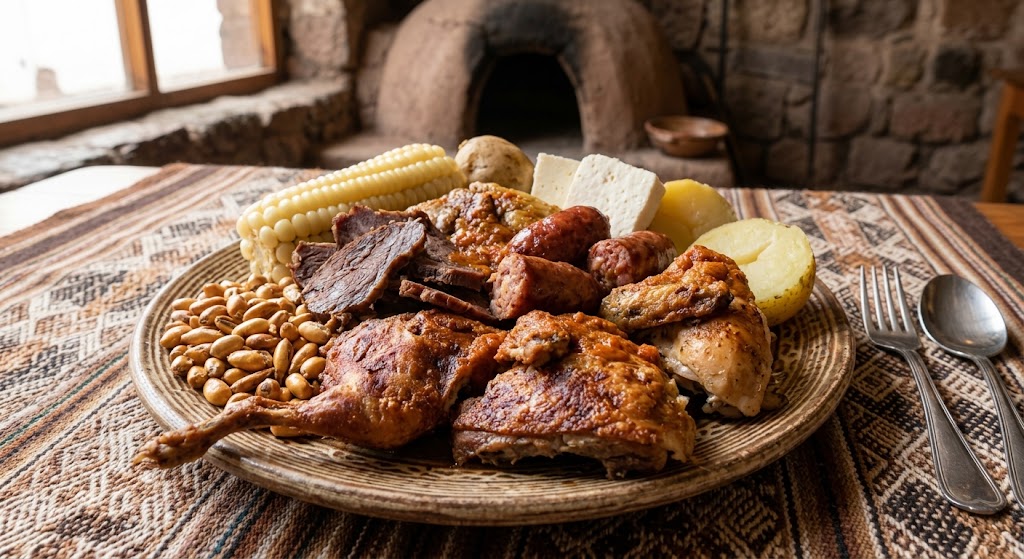
Peruvian food doesn’t taste the same everywhere in the country, and Cusco is a good example of why. This city was once the capital of the Inca Empire, so a lot of what people eat here didn’t come from a cookbook, it survived hundreds of years of history on its own. Corn, potatoes, and quinoa were growing in these valleys long before the Spanish showed up. When Spanish settlers did arrive, they brought pork, wheat, and their own way of cooking, and over generations those two food cultures started blending. Then, in the 1800s, a wave of Chinese workers came to Peru. They cooked with what they had, using their own stir-fry techniques on local ingredients, and somewhere along the way those dishes stopped being “foreign” and just became Peruvian.
Altitude plays a role too. Cusco sits high enough that certain crops simply don’t grow well, so cooking here has always leaned on what the land actually gives, mostly potatoes, corn, and grains like quinoa. Meat used to be something people saved for special occasions rather than an everyday meal, and honestly, you can still feel that in how dishes like cuy or chiriuchu are treated today. They’re not fast food. They’re closer to an event.
The Most Popular Dishes You Should Try
There’s a long list of traditional plates in Cusco, but a handful of them come up again and again in conversation, whether you’re talking to a local or another traveler.
Cuy, the Famous Roasted Guinea Pig
Ask anyone what they associate with Andean food and cuy usually comes up first. Roasted guinea pig has been eaten in this region since long before the Inca Empire existed, back when it was one of the main sources of protein in the mountains. These days it’s less of a daily meal and more of a special dish, but it hasn’t lost its place at the table. Cooks season it with garlic, local peppers, and herbs, then roast it whole until the skin crisps up nicely. Potatoes, rice, and a light salad usually come alongside it. It’s not a dish that appeals to everyone, and that’s fine, but if you want a real look at traditional Andean cooking, this is where most people start.
Chiriuchu, the Festival Plate
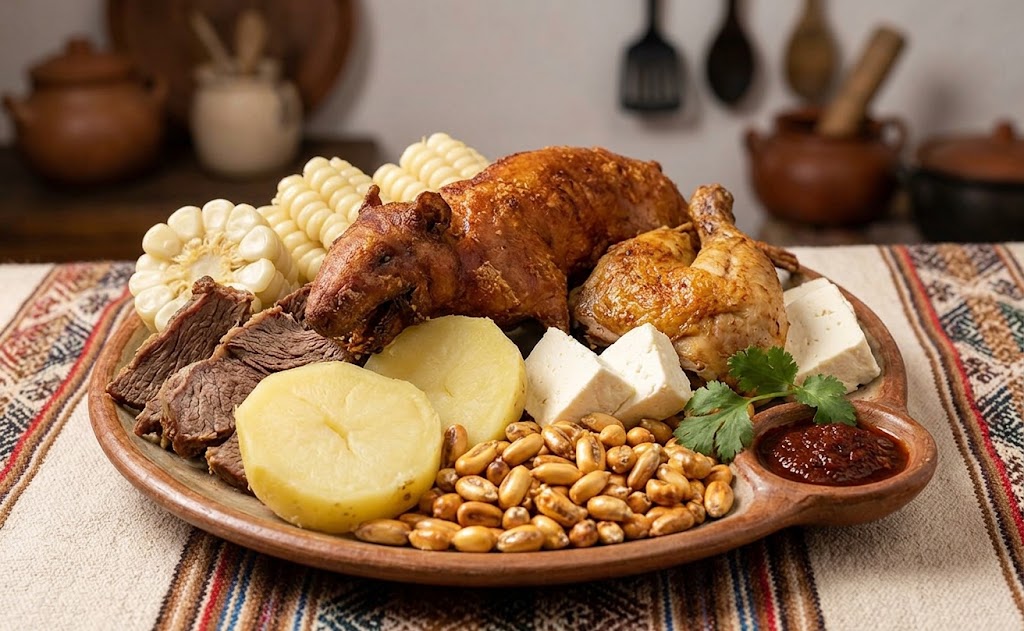
This one’s hard to describe without sounding a bit chaotic, because that’s kind of the point. Chiriuchu means “cold and spicy” in Quechua, and it’s traditionally saved for the Corpus Christi festival every June, when locals line up for it like it’s the only day of the year to eat it. A single plate can hold roasted guinea pig, chicken, dried llama meat, toasted corn, cheese, and boiled potatoes, all served cold together with a spicy rocoto sauce on the side. It sounds like too much on one plate, and it kind of is, but that’s intentional. The dish is built to represent the different climates around Cusco, from the cold high peaks down to the warmer valleys below.
Lomo Saltado, the Chinese-Peruvian Favorite
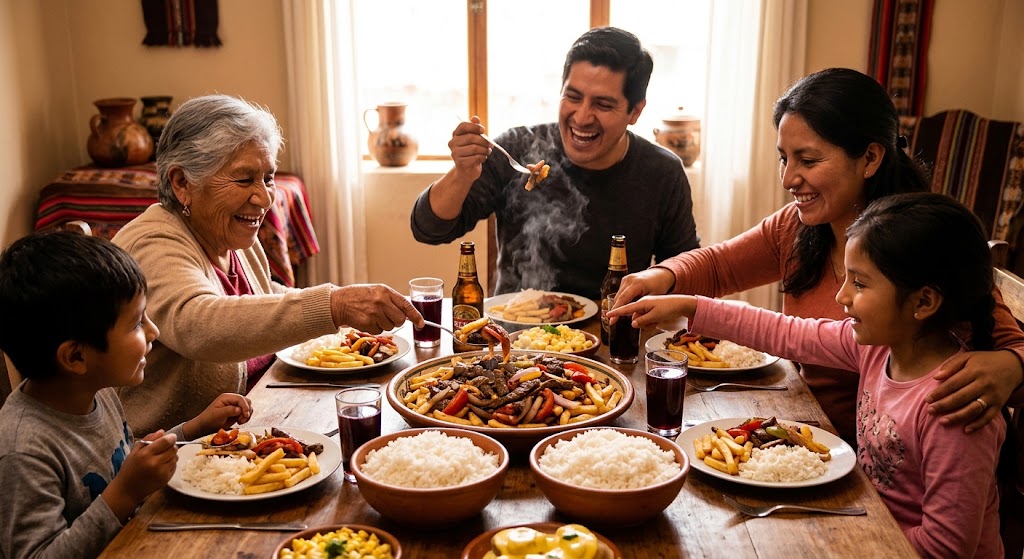
Where chiriuchu leans into the Inca side of the region’s history, lomo saltado leans into the Chinese side. It came out of the wave of Chinese immigration in the 19th century, when cooks started applying stir-fry techniques to whatever local ingredients they had on hand. What you end up with is beef strips cooked fast with onions and tomatoes, finished with a splash of soy sauce, and then somehow served with both rice and French fries on the same plate. It shouldn’t work, carbs on carbs, but it does. You’ll see lomo saltado on nearly every menu in Cusco, from tiny family-run spots to places with white tablecloths.
Aji de Gallina, Peru’s Comfort Food
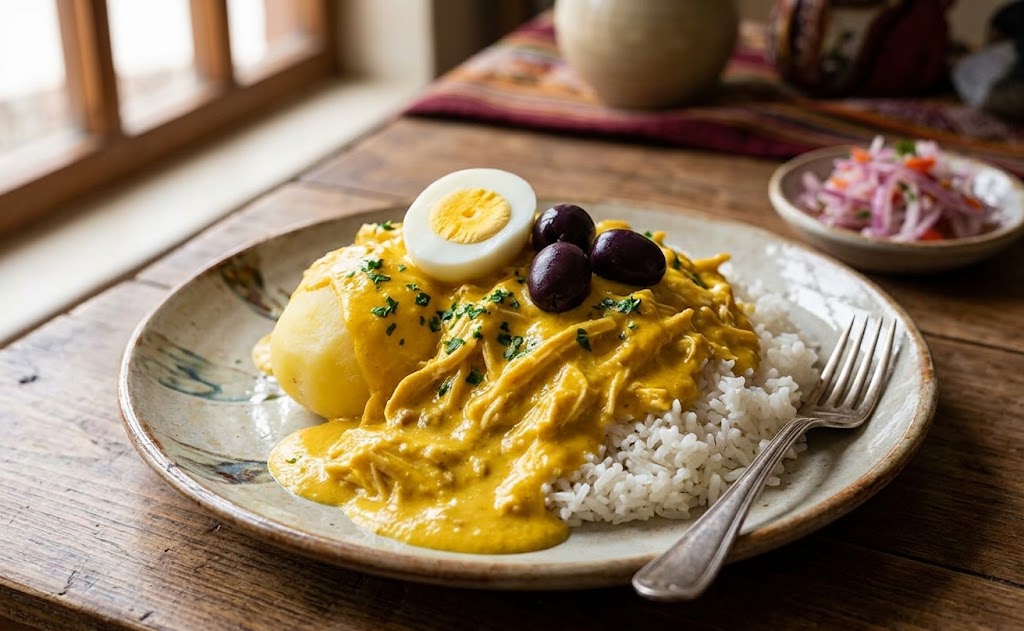
This is the dish people order when they want something that feels like home cooking. Shredded chicken sits in a thick, creamy sauce that gets its yellow color from aji amarillo, a mild Peruvian pepper, and its richness from ground nuts, usually walnuts or peanuts. It’s typically spooned over rice with a boiled potato and a few black olives on top. A lot of Peruvians grew up eating this at their grandmother’s house, so ordering it at a restaurant can feel a little like being handed someone’s family recipe.
Chicharrón Cusqueño
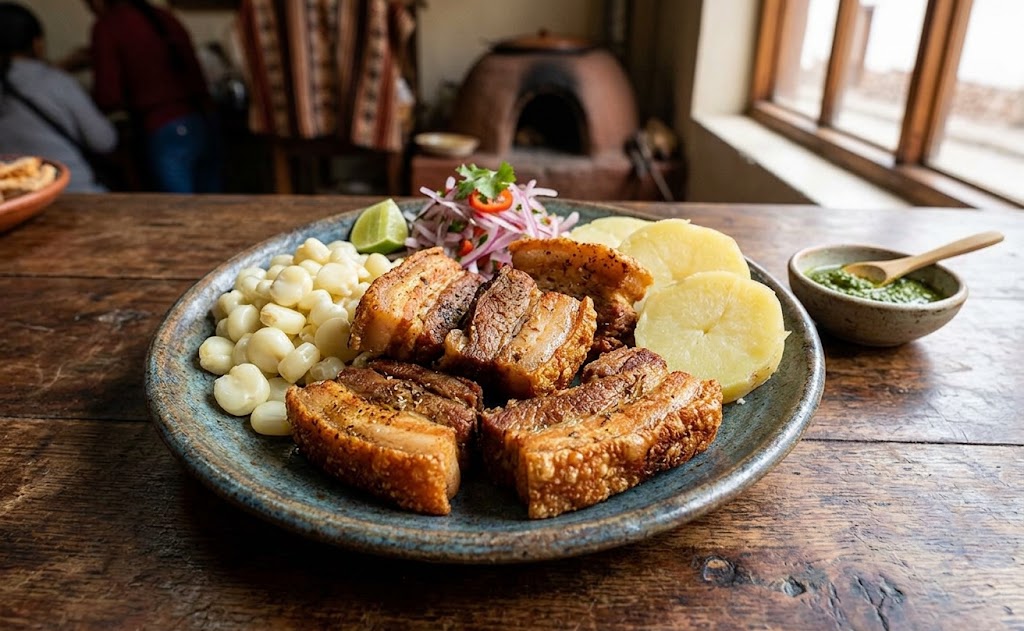
Plenty of countries have a version of crispy fried pork, and Cusco’s take holds its own. The pork gets fried until the outside is crunchy and the inside stays tender,
then it’s plated with corn, potatoes, a bit of salad, and a small side of uchucuta sauce, which brings just enough heat to keep things interesting without taking over. Weekend lunch crowds in Cusco order this constantly, and once you try it, you’ll understand why.
Quinoa Soup
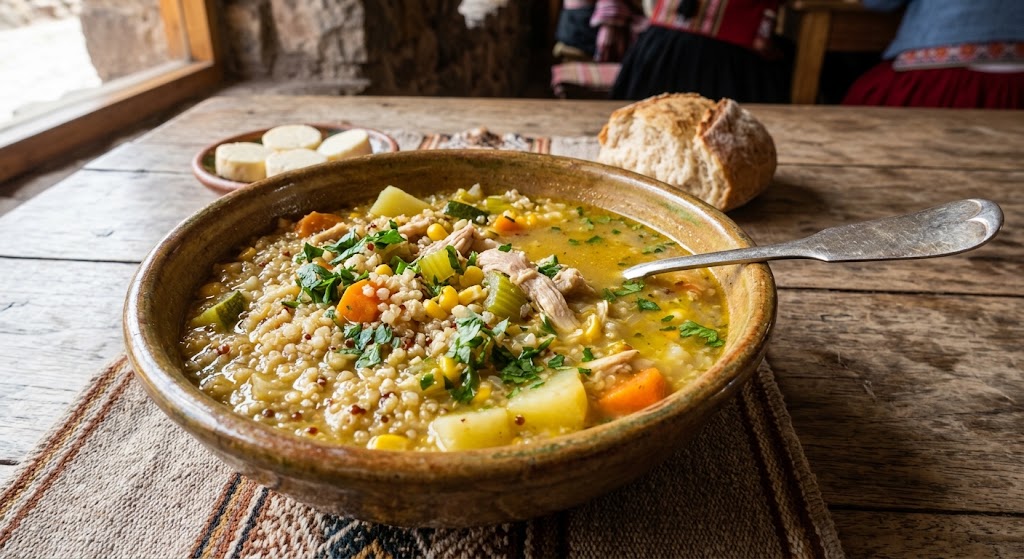
Cusco’s nights get cold fast, and that’s probably why soup shows up on nearly every menu. Quinoa soup is the one you’ll see most often, made with vegetables, a bit of meat, and plenty of quinoa, the grain the Incas apparently valued so much they called it the “mother grain.” It’s light but filling, and more than a few visitors say it helps them feel a little steadier while adjusting to the altitude.
Trout from the Mountain Rivers
Peru’s coast gets all the credit for seafood, but up here, freshwater trout takes over. It comes straight from the rivers and lakes around the region, usually pan-fried until the skin crisps, then served with rice, a bit of yucca, and a simple onion salad. If you’ve had a heavy few days of eating cuy and fried pork, trout is the reset button.
Where to Eat: Good Cuzco Peru Restaurant Options
Once you’ve decided what to order, the next question is where. Cusco has restaurants for pretty much every budget, from tiny neighborhood kitchens to well-established dining rooms built around traditional cooking.
For cuy, Pachapapa and Cuy Lokal have solid reputations with both locals and visitors. If aji de gallina is what you’re after, Morena Peruvian Kitchen and Inka Grill tend to get the sauce right, rich without being too heavy. And for lomo saltado, you genuinely can’t go wrong, it’s on menus everywhere, whether you pick a casual spot or somewhere fancier.
If budget matters, skip the restaurants right around the main square and look for small lunch spots and market stalls instead. Many of them serve a full set menu, soup, a main course, and a drink, for a fraction of what tourist-facing restaurants charge, and the food is often just as good, sometimes better.
Drinks That Go With Cusco Food
Chicha morada is the drink you’ll see everywhere. It’s made from boiled purple corn, mixed with fruit, cinnamon, and a bit of sugar, and it has no alcohol in it, so it works for basically anyone at the table.
If you want something with more of a story behind it, try frutillada. It’s made from a small strawberry grown in the Andes and is a lighter, sweeter cousin of chicha de jora, the fermented corn drink the Incas used to make. Depending on where you order it, frutillada can be completely mild or have a slight kick, so it’s worth asking before you commit to a full glass.
Vegetarian and Lighter Options
Not everyone wants guinea pig or fried pork on their plate, and Cusco does have lighter routes. Papas a la huancaína, sliced potato covered in a creamy, mildly spicy cheese sauce, is a common starter and an easy vegetarian pick. Choclo con queso, which is just large-kernel corn served with fresh cheese, is simple but satisfying. A handful of restaurants in the city now build their whole menu around vegetarian and vegan cooking, leaning on local vegetables and grains instead of meat, so travelers with dietary restrictions aren’t left scrambling.
Markets and Street Food Worth Trying
If you want a real feel for food in Cusco Peru, skip the sit-down restaurant for an hour and walk through San Pedro Market instead. It’s one of the most well-known markets in the city, and it shows you how people actually shop and eat day to day, not the tourist version. Fresh juices get blended right in front of you, stalls sell every kind of local cheese imaginable, and small food counters serve hot meals for prices that feel almost too low. It’s less polished than a restaurant, sure, but it might be the fastest way to try several dishes without spending much at all.
A Few Things Worth Knowing Before You Eat
A little planning goes a long way here. Picanterías, small restaurants built around spicy, traditional dishes, tend to be less touristy and closer to what locals actually eat at home, so they’re worth seeking out. Keep the altitude in mind too. Cusco sits above 3,000 meters, and a warm soup during your first day or two can genuinely help while your body adjusts. If chiriuchu is on your list, plan your trip around June, since that’s really the only time you’ll find it fresh and everywhere. Dishes like cuy and chiriuchu are usually meant for sharing, not eating solo, so bring someone along if you can. And if you have allergies, especially to nuts or dairy, it’s worth asking before you order, since a lot of Cusco’s sauces lean on peanuts or walnuts. One more thing: carry some cash. Plenty of the best small restaurants and market stalls outside the main square don’t take cards, and that’s usually where the better prices are anyway.
Common Questions About Cusco Food
What is the most famous dish in Cusco?
Cuy, or roasted guinea pig, is the one people bring up first. It has deep roots in Andean history and is still one of the top things visitors ask about before they even arrive.
Is Cusco food very spicy?
Some of it, yes, especially anything built around rocoto pepper or aji amarillo sauce. But plenty of dishes, quinoa soup and lomo saltado included, stay mild and are easy to enjoy even if spicy food isn’t usually your thing.
Can vegetarians find good food in Cusco?
They can. Most traditional cooking here is meat-based, but dishes like papas a la huancaína and choclo con queso are meat-free, and more restaurants keep adding full vegetarian and vegan menus.
What should I drink with a Cusco meal?
Chicha morada is the easiest option since it’s non-alcoholic and available almost everywhere. If you want something more traditional, give frutillada a try at least once.
Is street food in Cusco safe to eat?
For the most part, yes, especially at busy stalls where food gets cooked fresh and sold quickly. If there’s a steady line of local customers, that’s usually a good sign you’re in the right place.
Final Thoughts
Cusco food ends up being a bigger part of the trip than most people expect. A bowl of quinoa soup, a full plate of chiriuchu during a festival, a plate of cuy shared with strangers at a family-run restaurant, each one carries a piece of the region’s long, layered history. Spanish, Chinese, and Andean traditions all sit at the same table here, and that combination is exactly what makes eating in Cusco so memorable. Take your time with it, order something you’ve never heard of before, and let the food guide at least part of your trip. There’s a good chance the meals stick with you just as long as the mountains do.
