
Tacu Tacu is a classic Peruvian dish made with cooked rice and beans, mixed with onion, garlic, and ají amarillo, then cooked in a pan until the outside turns golden and crisp. It is a simple dish, but its flavor and texture make it much more than an ordinary rice and bean meal. The center stays soft and comforting while the edges develop a delicious crust. In Peru, Tacu Tacu can be enjoyed with steak, seafood, fried eggs, chicken, or vegetables, so there are many ways to serve it.
If you are exploring traditional Peruvian food, Tacu Tacu is a dish worth trying. It is also a good example of how everyday ingredients can be turned into a satisfying meal with a little care and good seasoning.
What Is Tacu Tacu?
Tacu Tacu is a traditional Peruvian preparation made by combining cooked rice with beans or another cooked legume. The mixture is seasoned and shaped into a thick patty before being cooked in a pan.
The outside becomes golden and lightly crisp, while the inside remains soft. That contrast is what makes the dish so enjoyable.
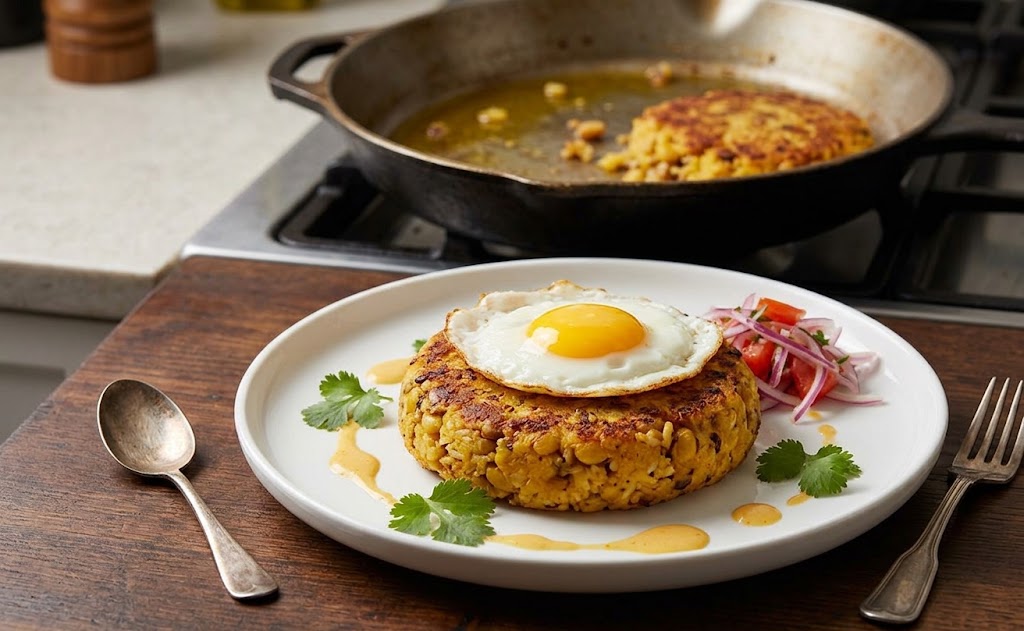
The exact ingredients can vary depending on the recipe. Some versions use different types of beans, while others are made with lentils or lima beans. The dish can also be served with different toppings and side dishes.
Tacu Tacu is often associated with home cooking because its main ingredients are simple and filling. It is also a practical way to give cooked rice and beans a different form instead of serving them in the same way again.
Tacu Tacu Peruvian: History and Tradition
When looking at Tacu Tacu Peruvian food, it is helpful to understand the story behind the dish as well as the recipe.
Tacu Tacu has a long connection with Peru’s coastal food traditions and Afro-Peruvian cooking. Peru’s official tourism information describes a connection between the dish and Afro-Peruvian communities, as well as the tradition of making use of leftover rice and beans.
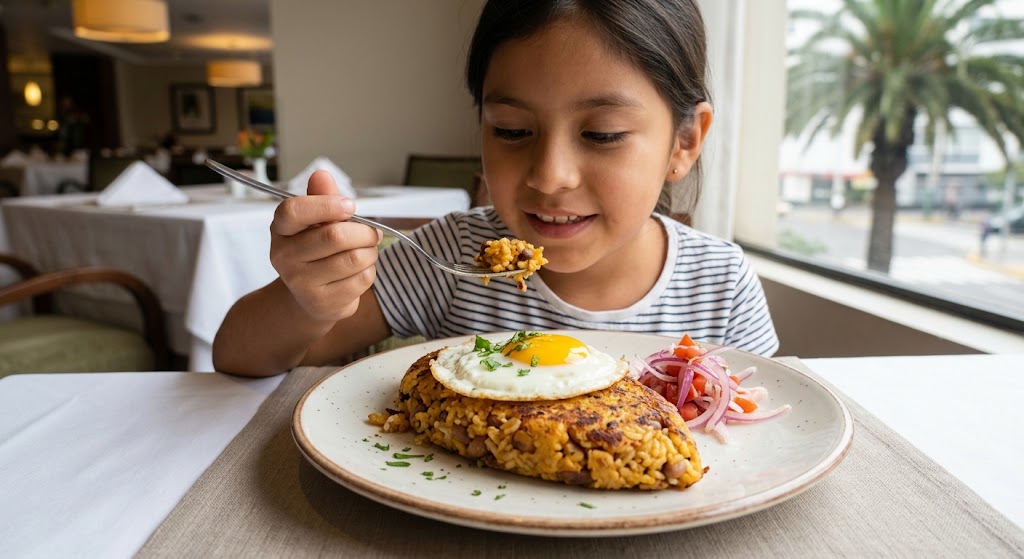
There are different stories about the exact origin of the name and the early development of the dish. Because of this, some details of its history are better understood as traditional accounts rather than as one proven explanation.
What is not difficult to see is the role Tacu Tacu has played in Peruvian cooking. A basic combination of rice and legumes can be seasoned, shaped, and fried into a completely different meal.
Over time, different versions developed. Today, Tacu Tacu may be served with beef, seafood, chicken, eggs, or vegetables.
This is one of the things that makes Peruvian food so interesting. Many traditional dishes are built around simple ingredients, but the cooking method and seasoning give them their own character.
What Is Tacu Tacu Made Of?
The basic ingredients in Tacu Tacu are easy to find, although the exact combination can change from one recipe to another.
For a traditional-style version, you will generally need:
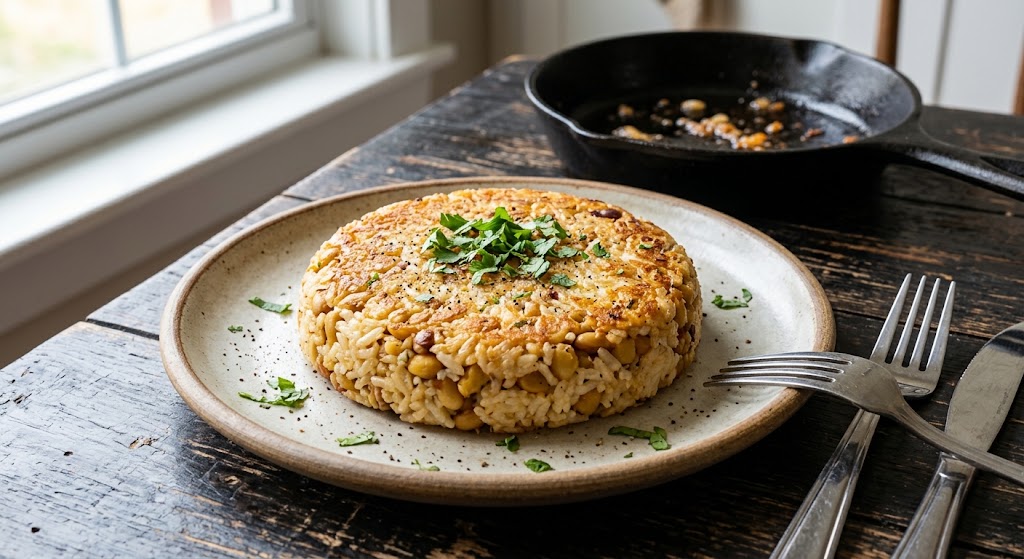
- Cooked white rice
- Cooked beans or another legume
- Red onion
- Garlic
- Ají amarillo
- Vegetable oil
- Salt
- Black pepper
Some cooks add herbs or other seasonings, but they are not necessary for a good basic version.
The type of legume also makes a difference. Canary beans, pinto beans, black beans, lima beans, and lentils can all be used in different preparations.
The most important part is the texture. The rice and beans need to come together well enough to form a patty, but the mixture should not be watery or overly soft.
Ingredients for Homemade Tacu Tacu
Before learning how to make Tacu Tacu, it helps to know what each main ingredient contributes to the dish.
Rice
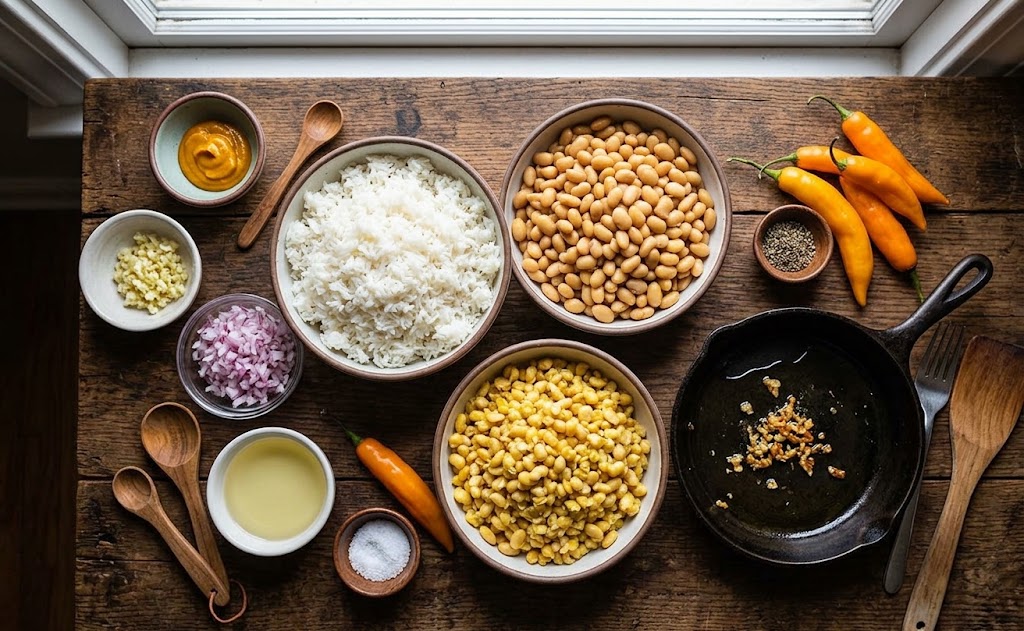
Cooked white rice provides the main body of the dish. Rice that has cooled after cooking can be easier to work with because it is usually less sticky and wet than very fresh rice.
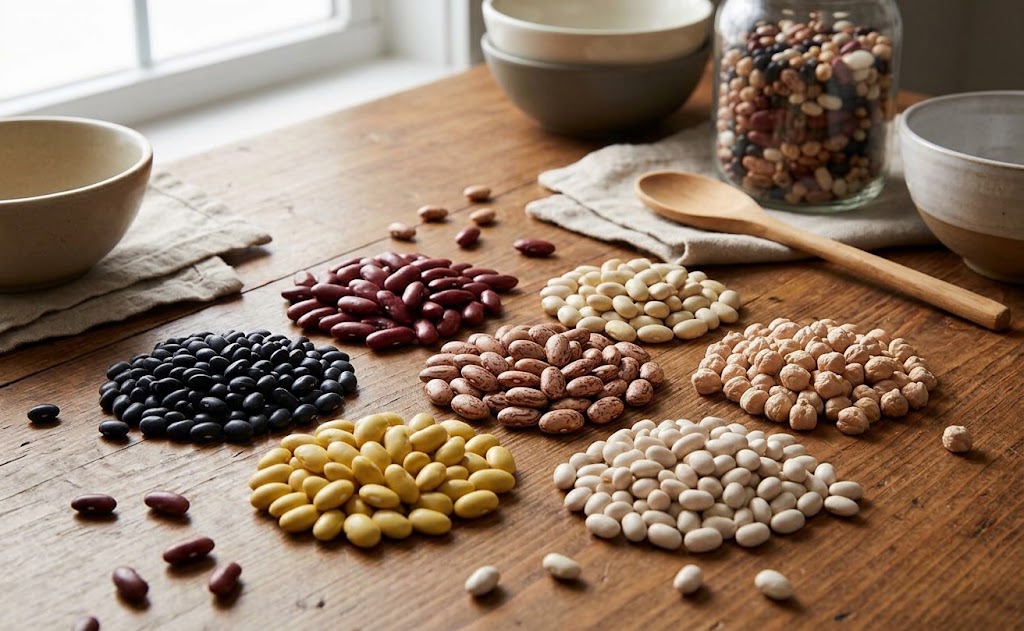
Beans
Beans give Tacu Tacu its rich taste and soft texture. They also help hold the rice together when the mixture is shaped.
You can use beans that you have cooked at home or leftover beans that are already prepared.
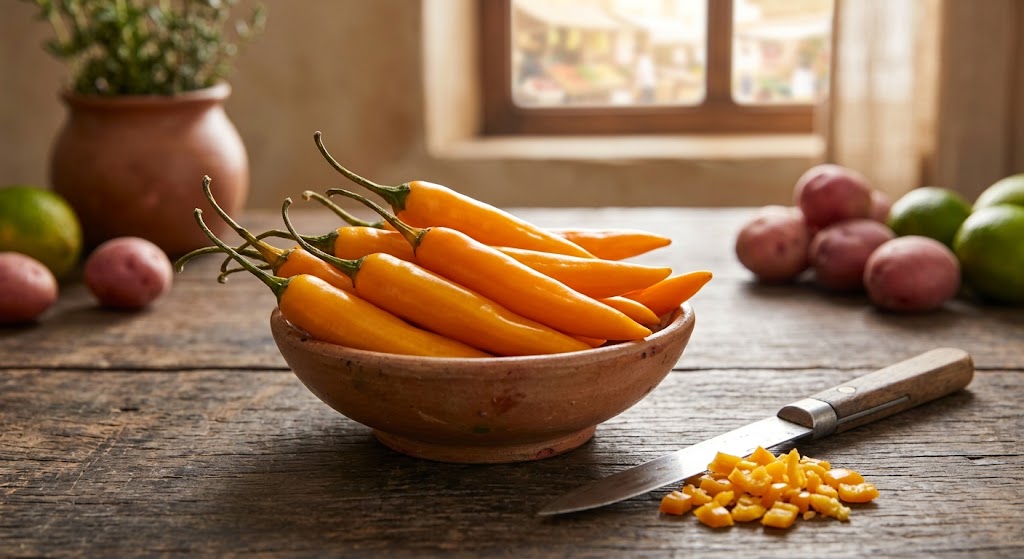
Ají Amarillo
Ají amarillo gives the dish a distinct Peruvian flavor. It adds a mild to moderate level of heat along with a fruity, savory taste.
Fresh ají amarillo can be used when available. Ají amarillo paste is another convenient option and is often easier to find outside Peru.
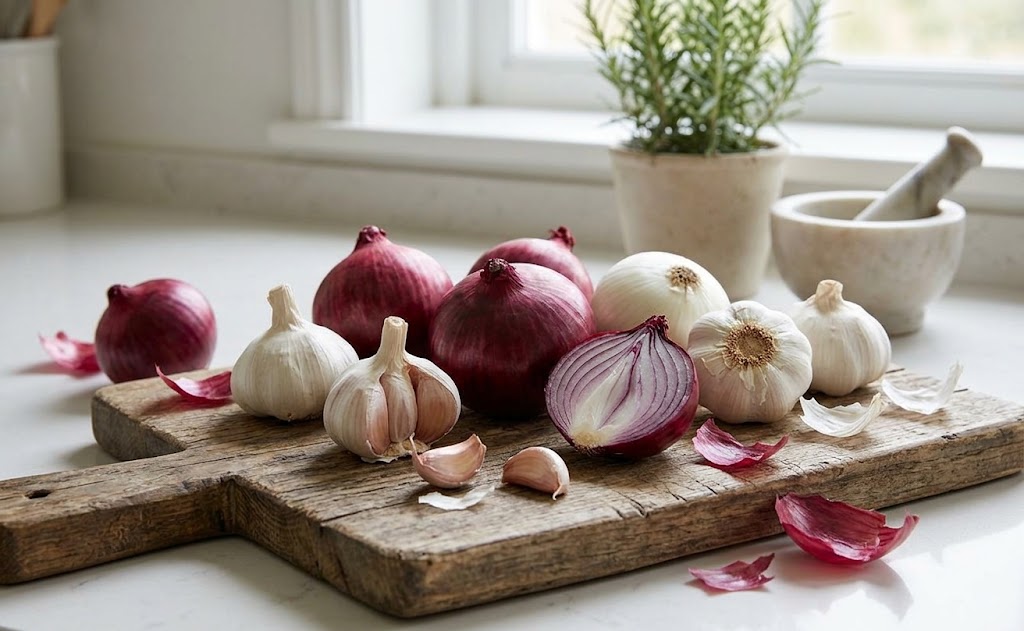
Onion and Garlic
Onion and garlic create the base of the seasoning. Cooking them before adding the rice and beans helps bring out their flavor.
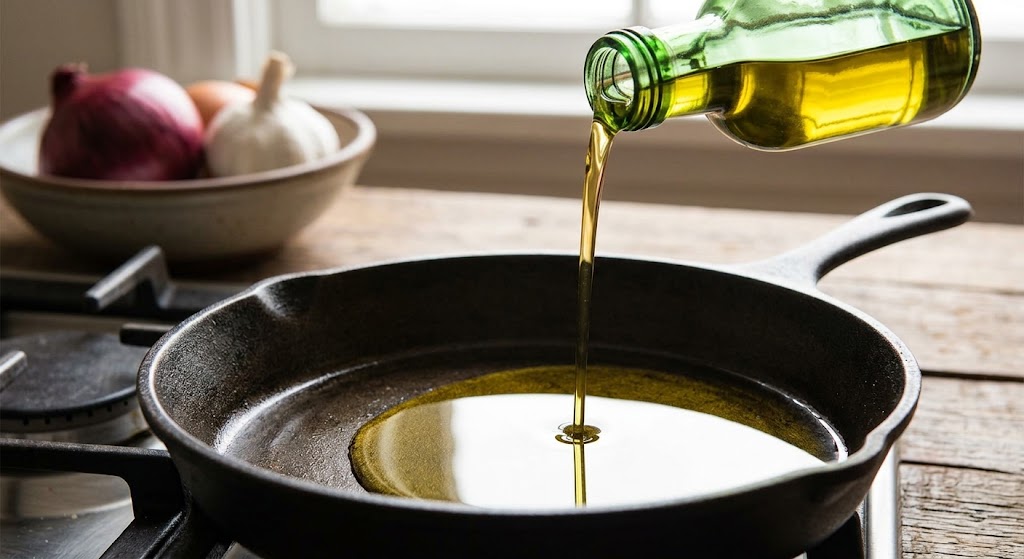
Oil
Oil is used for cooking the seasoning and for browning the Tacu Tacu. You do not need to use a large amount. Enough oil to help the surface brown is usually sufficient.
How to Make Tacu Tacu
Learning how to make Tacu Tacu is fairly straightforward. The main challenge is getting the mixture firm enough to shape while keeping the finished dish soft inside.
Step 1: Prepare the Rice and Beans
Start with cooked rice and cooked beans.
If the beans contain a lot of cooking liquid, drain them well. Excess liquid can make the mixture difficult to shape.
Mash some of the beans with a fork or spoon, but do not worry about making them completely smooth. Leaving some small pieces gives the finished Tacu Tacu a better texture.
If you are using leftover rice and beans, make sure they have been stored properly and are still fresh.
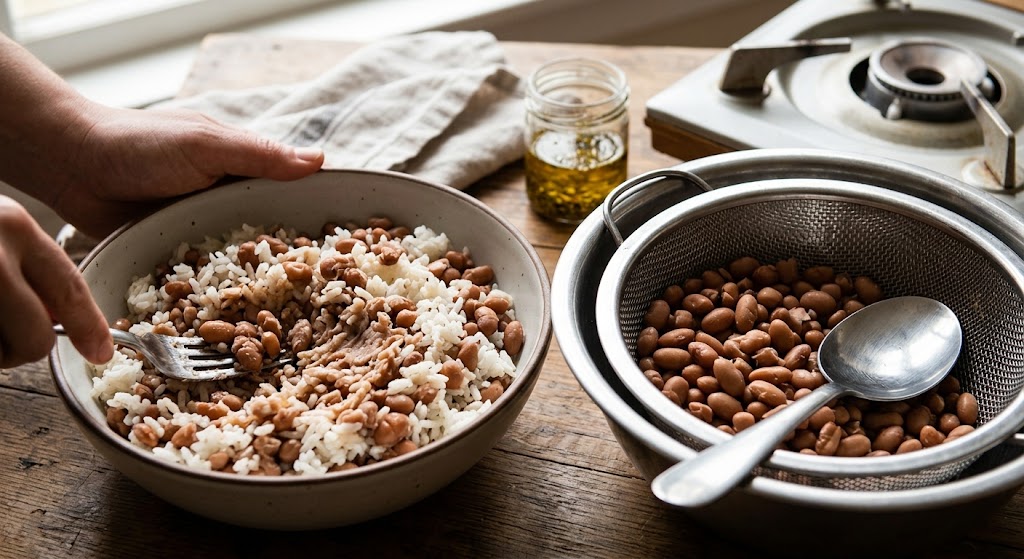
Step 2: Cook the Onion, Garlic, and Ají Amarillo
Place a pan over medium heat and add a little oil.
Add finely chopped red onion and cook until it softens. Add the garlic and ají amarillo and continue cooking for a short time.
You want the onion to become tender and the garlic to become fragrant without letting it burn.
Season with salt and a little black pepper.
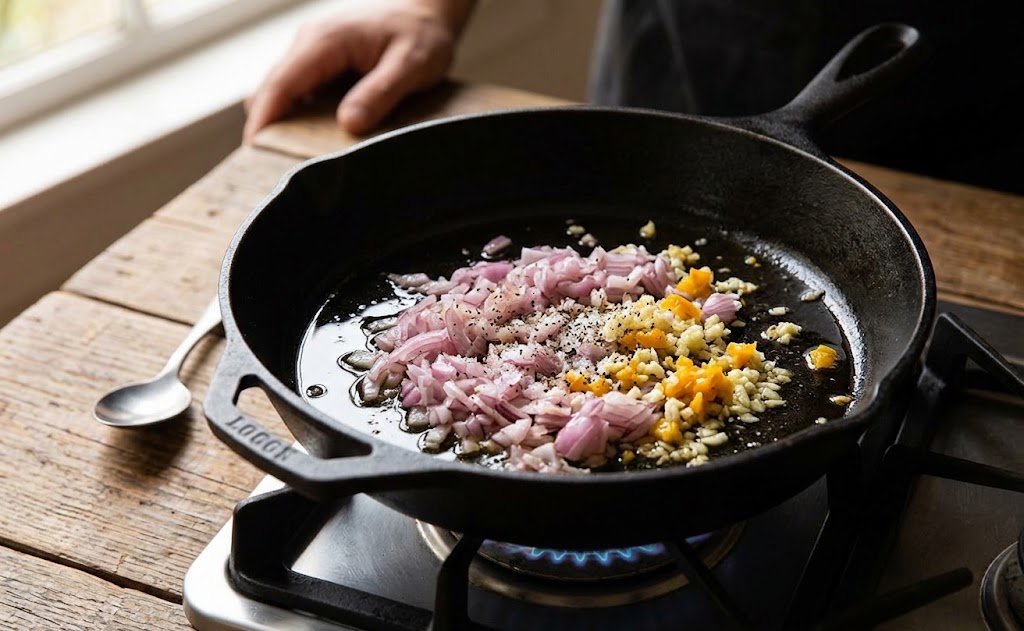
Step 3: Add the Beans
Add the prepared beans to the pan.
Mash some of them as they cook with the onion and seasoning. There is no need to make a completely smooth paste. A little texture makes the dish more interesting.
Let the mixture cook for a few minutes so the flavors can come together.
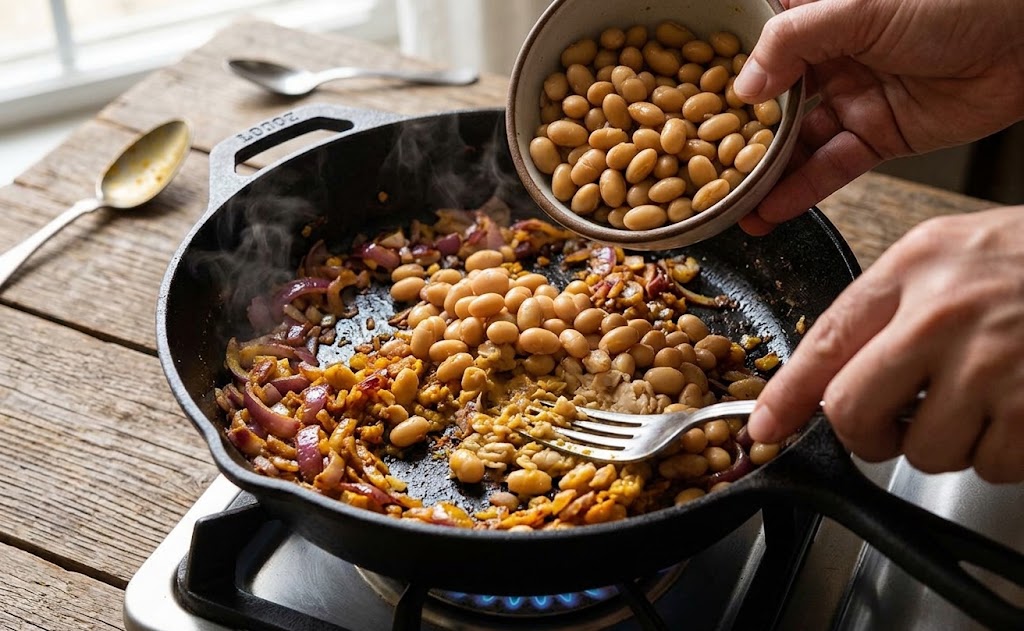
Step 4: Add the Rice
Add the cooked rice to the pan and mix it with the beans and seasoning.
Stir gently until everything is well combined.
The mixture should be thick enough to hold together. If it looks very wet, continue cooking for a little longer. If it seems too dry, avoid adding a lot of liquid at once. A small adjustment is better than making the mixture loose.
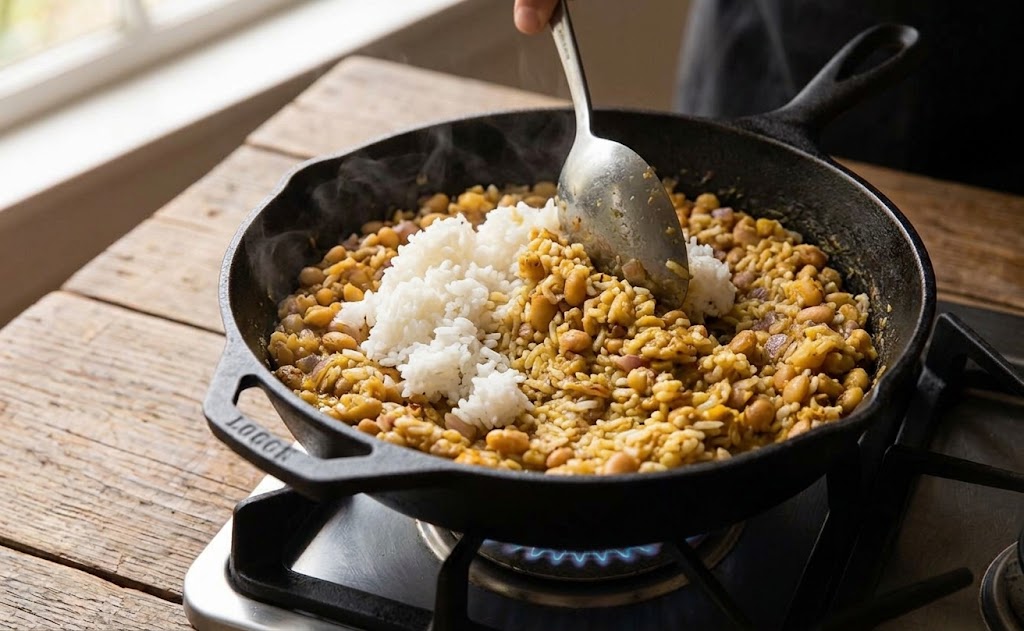
Taste and adjust the seasoning if needed.
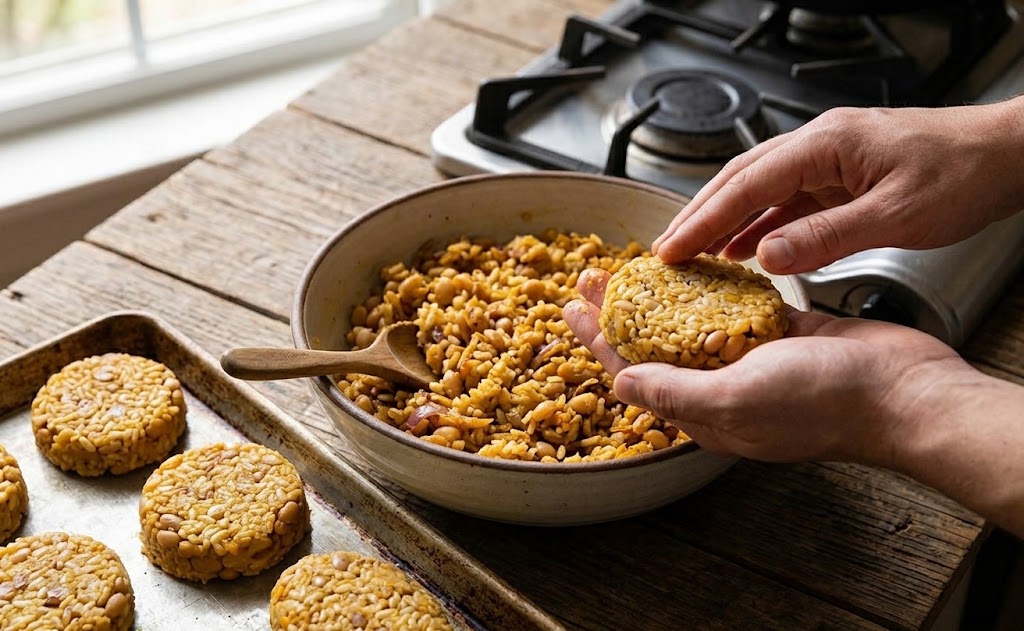
Step 5: Shape the Tacu Tacu
Remove the mixture from the heat and allow it to cool slightly so it is easier to handle.
Divide it into portions and shape each one into a thick oval or round patty.
Do not make the patties too thin. A little thickness helps keep the center soft while the outside becomes crisp.
Press the mixture together gently. If you pack it too tightly, the texture can become heavy.
Step 6: Cook Until Golden and Crisp
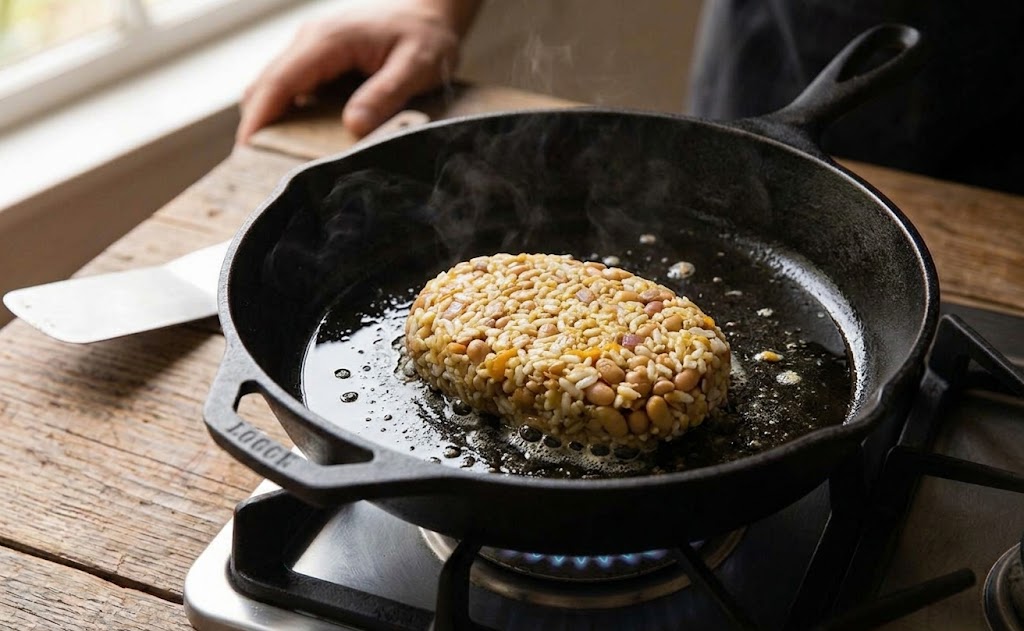
Heat a little oil in a non-stick or well-seasoned skillet over medium heat.
Carefully place the shaped Tacu Tacu into the pan.
Let it cook without moving it around too much. After several minutes, the bottom should become firm and golden.
When it has developed a good crust, carefully turn it over with a wide spatula.
Cook the second side until golden as well.
The finished Tacu Tacu should have a browned exterior with a warm, soft center.
Step 7: Serve While Hot
Transfer the Tacu Tacu to a plate and serve it while hot.
You can keep the presentation simple or add a topping such as a fried egg, steak, seafood, or vegetables.
Tips for Making Tacu Tacu at Home
Tacu Tacu does not require complicated cooking techniques, but a few details can make the result much better.
Use rice that is not overly wet. Very soft rice can make the mixture difficult to shape.
Drain the beans well. Extra liquid can prevent the outside from becoming crisp.
Do not mash everything completely. A little texture from the beans gives the dish a better bite.
Use medium heat. The Tacu Tacu needs enough time to warm through while the outside browns.
Let the crust develop before flipping. If you turn it too early, it may break apart.
Use a wide spatula. It makes flipping much easier.
Do not overcrowd the pan. If you are cooking several portions, give them enough room to brown properly.
Taste before shaping. It is easier to adjust salt and seasoning while the mixture is still loose.
What to Serve With Tacu Tacu
Tacu Tacu can be served in many ways. The topping can turn the same basic dish into a completely different meal.
Tacu Tacu With Steak
Steak is a well-known pairing for Tacu Tacu. The rich flavor of beef works well with the savory rice and bean mixture.
A simple piece of pan-seared or grilled beef can be served alongside the Tacu Tacu with a sauce or gravy.
Tacu Tacu With Fried Egg
A fried egg is an easy choice for a quick and satisfying meal.
The crispy edges of the Tacu Tacu work especially well with a soft egg yolk. You can serve one egg on top or alongside the patty.
Tacu Tacu With Seafood
Seafood is another natural pairing in Peruvian cooking.
Shrimp, fish, and other seafood can be served with Tacu Tacu, often with a light sauce. The fresh flavor of seafood provides a nice contrast to the rich bean and rice mixture.
Tacu Tacu With Chicken
Chicken is a practical option for a family meal. Grilled or pan-cooked chicken can be served alongside Tacu Tacu with a simple sauce or fresh vegetables.
Vegetarian Tacu Tacu
Tacu Tacu can also be served as a vegetarian meal.
You can pair it with grilled vegetables, avocado, salad, or other plant-based sides. The rice and legumes already provide a filling base, so you do not need meat to make it satisfying.
Different Versions of Tacu Tacu
There is no need to think of Tacu Tacu as one fixed recipe. Different legumes and toppings can change the final dish.
Some preparations use:
- Canary beans
- Pinto beans
- Black beans
- Lima beans
- Lentils
The dish may also be named or described according to what is served with it, such as Tacu Tacu with steak, seafood, chicken, or fried egg.
This flexibility has helped the dish remain useful in both traditional and modern kitchens.
Can You Make Tacu Tacu With Leftover Rice?
Yes. Leftover cooked rice can work very well for Tacu Tacu.
In fact, using leftover rice and beans is closely connected with the traditional idea behind the dish. Instead of throwing away extra cooked food, it can be combined with seasoning and cooked again in a new form.
The key is to make sure the leftovers have been stored safely and have not become too wet.
If your rice is very soft, use a little less bean mixture when combining the ingredients. The final mixture needs to be firm enough to shape.
Is Tacu Tacu Healthy?
Tacu Tacu can be part of a balanced meal, but its nutritional value depends on how it is prepared and what you serve with it.
Rice provides carbohydrates, while beans and other legumes provide plant protein and fiber. The amount of oil used for cooking affects the total fat and calorie content.
The toppings also matter. A Tacu Tacu served with vegetables will have a different nutritional profile from one served with a large portion of steak and a rich sauce.
For a lighter meal, you can use a moderate amount of oil and serve the dish with fresh vegetables or salad.
There is no single nutritional value for every Tacu Tacu because recipes and serving sizes vary.
Common Mistakes When Making Tacu Tacu
Making the Mixture Too Wet
A wet mixture will be difficult to shape and may fall apart in the pan. Drain the beans well and avoid adding unnecessary liquid.
Flipping It Too Soon
The first side needs time to form a crust. Turning it before that happens can cause the patty to break.
Using Very High Heat
High heat may brown or burn the outside before the inside becomes warm. Medium heat gives you better control.
Making the Patty Too Thick
An extremely thick patty can take longer to heat through and may be difficult to turn. A moderate thickness works better.
Over-Mashing the Beans
A completely smooth mixture can have a heavy texture. Keeping some of the beans partly mashed gives the dish more character.
Using Too Much Oil
Tacu Tacu needs enough oil to brown, but excessive oil can make the finished dish greasy. Start with a small amount and add more if necessary.
Why Tacu Tacu Is Special in Peruvian Cuisine
Tacu Tacu is a good example of the creativity found in traditional Peruvian cooking.
Its main ingredients are humble: rice, beans, onion, garlic, and ají amarillo. Yet the cooking process changes those ingredients into a dish with several different textures and flavors.
Its connection with Afro-Peruvian food traditions also gives the dish an important cultural story. At the same time, its simple preparation makes it easy for home cooks to adapt.
You can change the type of beans, choose a different topping, or serve it with vegetables while keeping the basic idea of the dish intact.
That balance between tradition and flexibility is one reason Tacu Tacu continues to have a place in Peruvian cuisine.
Frequently Asked Questions About Tacu Tacu
What is Tacu Tacu?
Tacu Tacu is a traditional Peruvian dish made by combining cooked rice with beans or another legume, seasoning the mixture, shaping it into a patty, and cooking it in a pan until the outside becomes golden and crisp.
Is Tacu Tacu Peruvian?
Yes. Tacu Tacu is a traditional Peruvian dish with strong connections to coastal and Afro-Peruvian food traditions.
What is Tacu Tacu made of?
The basic ingredients include cooked rice, cooked beans or another legume, onion, garlic, ají amarillo, oil, salt, and pepper. Recipes can vary.
What beans are used in Tacu Tacu?
Different legumes can be used. Common choices include canary beans, pinto beans, black beans, lima beans, and lentils.
What does Tacu Tacu taste like?
It has a savory and comforting flavor from the rice, beans, onion, garlic, and ají amarillo. The outside is usually golden and crisp, while the inside remains soft.
How do you make Tacu Tacu crispy?
Use a properly heated pan, avoid making the mixture too wet, and let each side cook long enough to develop a golden crust before flipping.
Can I use leftover rice for Tacu Tacu?
Yes. Leftover cooked rice is suitable as long as it has been stored safely. Rice that is not too wet is usually easier to work with.
What do you eat Tacu Tacu with?
Tacu Tacu can be served with steak, seafood, chicken, fried eggs, vegetables, or other sides depending on the recipe.
Is Tacu Tacu spicy?
Ají amarillo gives Tacu Tacu some heat and a distinct flavor, but the level of spice can be adjusted according to your preference.
Final Thoughts
Tacu Tacu is one of those Peruvian dishes that proves good food does not need a long list of ingredients. Cooked rice and beans become something completely different when they are mixed with onion, garlic, and ají amarillo and cooked until golden.
Its crispy outside, soft center, and wide range of serving options make it a dish that can fit both a simple home meal and a more complete Peruvian dinner. Its connection to Peru’s coastal and Afro-Peruvian food traditions also gives it a deeper place in the country’s culinary history.
If you are looking for a traditional Peruvian dish that is filling, practical, and full of character, Tacu Tacu is a great one to add to your list.
