
The first time I tried Seco de Carne Peruano, I was surprised by how simple ingredients could create such a rich and comforting meal. I remember tasting this dish and thinking that the combination of tender beef, fresh cilantro, and warm spices was something special. After that, I wanted to make it at home, so I started learning how this traditional Peruvian dish is prepared.
When I finally cooked my own version of seco de carne peru, the kitchen was filled with an amazing aroma. The fresh green cilantro sauce, slowly cooked beef, and delicious spices came together perfectly. It felt like bringing a small piece of Peru into my own home.
This dish is more than just a recipe. It is a traditional meal that many families in Peru enjoy with their loved ones. It is often served for lunch or dinner and is usually paired with rice, beans, or potatoes. The slow cooking process makes the beef soft and full of flavor, which is why so many people love it.
In this article, I will share how I make Seco de Carne Peruano, the story behind this dish, the ingredients, cooking tips, and everything you need to know to prepare it at home.
What Is Seco de Carne Peruano?
Seco de Carne Peruano is a traditional Peruvian beef stew made with tender pieces of beef cooked in a flavorful green sauce. The main flavor comes from fresh cilantro, which gives the dish its beautiful color and unique taste.
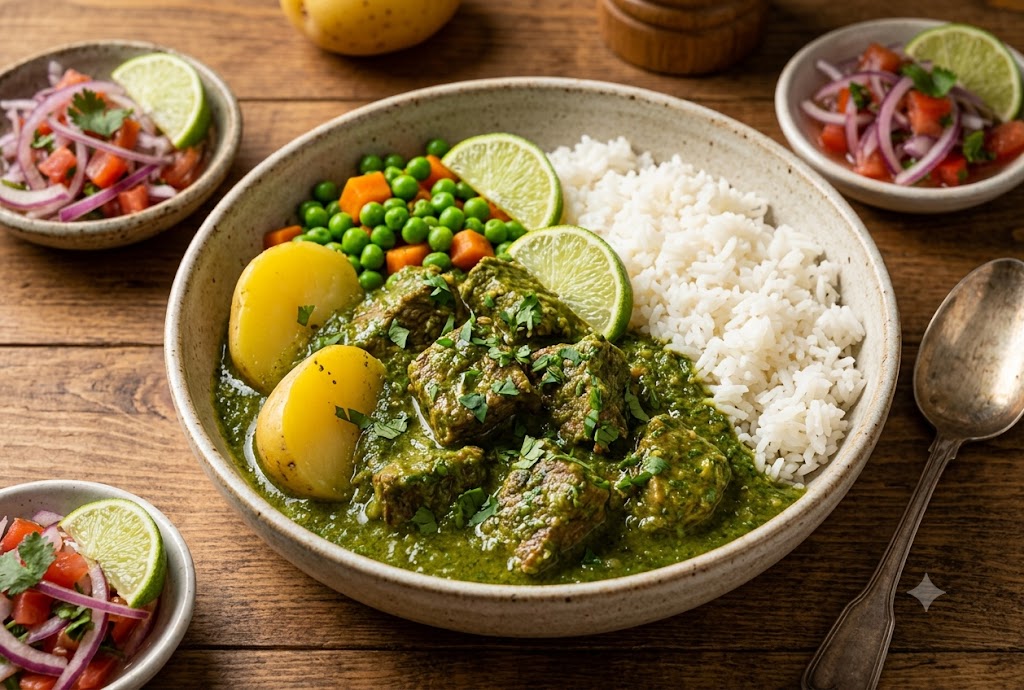
Unlike many stews that use heavy sauces, this Peruvian dish has a fresh and aromatic flavor. The beef is slowly cooked with onions, garlic, peppers, herbs, and spices until it becomes very tender.
The word “seco” means “dry” in Spanish, but the dish is not actually dry. The name comes from the cooking method where the meat is slowly cooked until the sauce becomes thick and concentrated.
Every family may have its own way of preparing this recipe. Some people add more spices, while others keep the flavor mild. That is one of the beautiful things about Peruvian cooking — every home adds its own special touch.
When I make this dish, I always focus on letting the ingredients cook slowly because that is where the real flavor develops.
The History Behind This Traditional Peruvian Dish
Peruvian cuisine is famous around the world because it combines different cultures, ingredients, and cooking styles. Seco de Carne Peru is a great example of how traditional recipes have changed and developed over time.
This dish has roots in Peru’s coastal and northern regions, where people created flavorful meals using simple ingredients available to them. Fresh herbs, local peppers, vegetables, and slow cooking techniques helped create dishes that were both delicious and filling.
Over generations, seco became a favorite homemade meal. Families prepared it during weekends, gatherings, and special occasions. It became the type of food that brings people together around the table.
For many Peruvians, this dish is connected with memories of home. The smell of cilantro and beef cooking slowly can remind people of family meals and traditional celebrations.
Ingredients Needed for Seco de Carne Peruano
One reason I enjoy making this recipe is because the ingredients are easy to find, but the final taste feels like something from a restaurant.
Here are the main ingredients I use:
Beef
The most important ingredient is the beef. I prefer using a cut that becomes tender after slow cooking. Beef chunks work perfectly because they absorb all the flavors from the sauce.
The goal is not just to cook the meat but to allow it to become soft and flavorful.
Fresh Cilantro
Cilantro is the heart of this recipe. It creates the green color and gives the stew its fresh, earthy flavor.
I always use fresh cilantro because it makes a big difference in the final taste.
Onion and Garlic
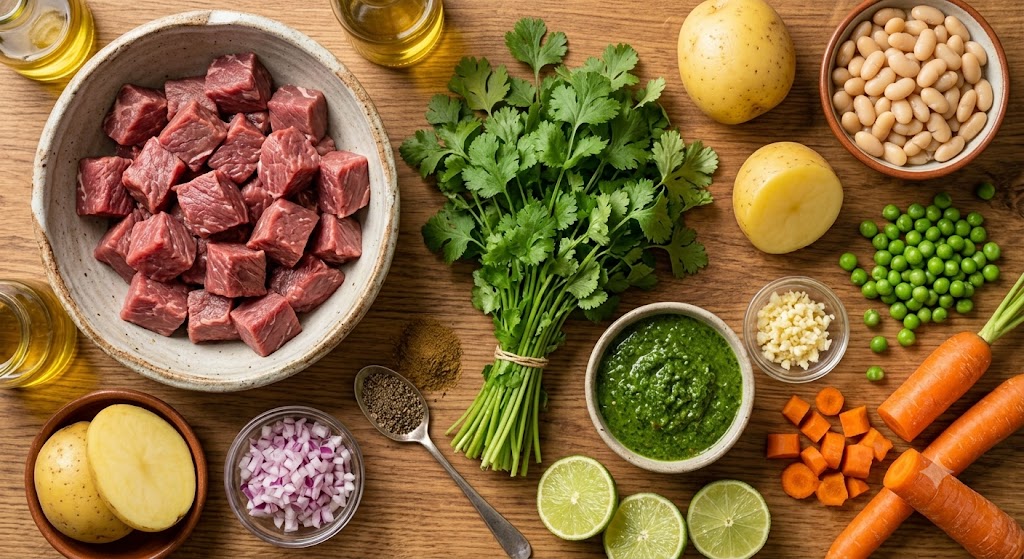
These two ingredients build the base flavor. When onions and garlic cook together, they create a rich smell that makes the whole dish better.
Aji Amarillo
Aji amarillo is a traditional Peruvian yellow chili pepper. It adds a mild heat and a unique flavor.
If you cannot find it, you can adjust the recipe with another pepper, but the traditional taste comes from aji amarillo.
Other Ingredients
- Beef broth
- Tomatoes
- Black pepper
- Cumin
- Oil
- Salt
- Potatoes or beans for serving
Simple ingredients come together to create something unforgettable.
How I Make Seco de Carne Peruano Step by Step
When I prepare this recipe, I do not rush the process. The best flavor comes from giving each step enough time.
Preparing the Beef
First, I cut the beef into medium-sized pieces. I do not cut them too small because I want the meat to stay juicy while cooking.
I season the beef with salt and pepper and prepare the other ingredients before starting.
Making the Green Cilantro Sauce
The next step is making the sauce.
I blend fresh cilantro with some liquid until it becomes a smooth green mixture. This sauce is what gives seco its signature flavor.
While blending, the kitchen already starts smelling fresh and herbal.
Cooking the Beef
I heat oil in a pot and lightly brown the beef pieces. This step helps create deeper flavor.
Then I add onions, garlic, and spices. Once everything becomes fragrant, I add the cilantro sauce.
The beef slowly cooks in this mixture until it becomes tender.
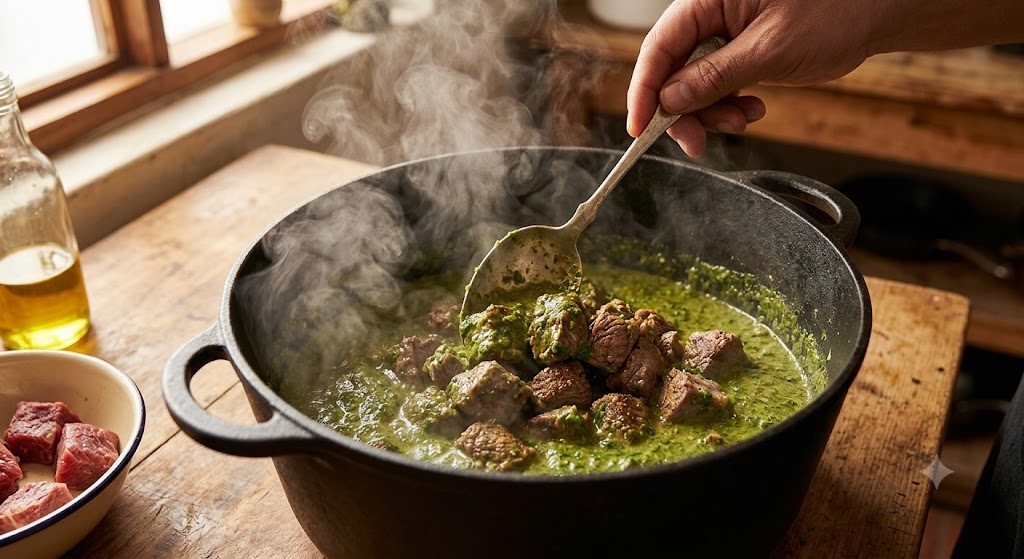
This is my favorite part because the sauce slowly becomes richer, and the smell fills the kitchen.
How to Make the Best Seco de Carne Peruano at Home
After making Seco de Carne Peruano a few times, I realized that the small details make a big difference. The recipe itself is not complicated, but patience and the right balance of flavors are what create the perfect result.
Here are some tips that helped me improve my homemade seco.
Choose the Right Cut of Beef
The beef you choose can change the entire texture of the dish. I like using cuts that become soft after slow cooking because they absorb the sauce better.
When the beef cooks slowly, it becomes tender and almost melts in your mouth. Avoid cooking it too quickly because the meat may become tough.
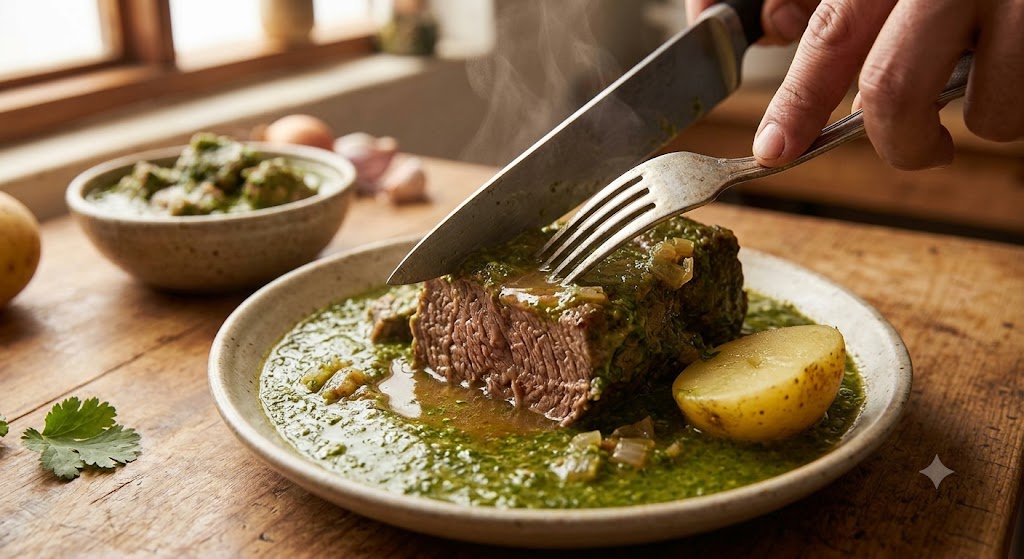
The goal is a stew where every bite has flavor.
Do Not Skip the Browning Step
One thing I learned while making this dish is that browning the beef first creates a deeper taste.
When the beef touches the hot oil, it develops a slightly roasted flavor that makes the final stew much better.
It only takes a few minutes, but it adds a lot of richness to the recipe.
Let the Sauce Cook Properly
The cilantro sauce is the heart of seco de carne peruano. I always allow the sauce to cook with the beef slowly.
At first, the sauce may taste strong, but after simmering with the meat, everything becomes balanced.
Slow cooking allows the spices, herbs, and beef flavors to combine naturally.
Adjust the Spice Level
Traditional Peruvian cooking often includes peppers like aji amarillo, but everyone has different taste preferences.
When I make this at home, I adjust the amount depending on who will be eating.
You can make it mild, medium, or spicy while still keeping the traditional flavor.
How to Serve Seco de Carne Peruano
One of my favorite things about this recipe is that it feels complete when served with simple sides.
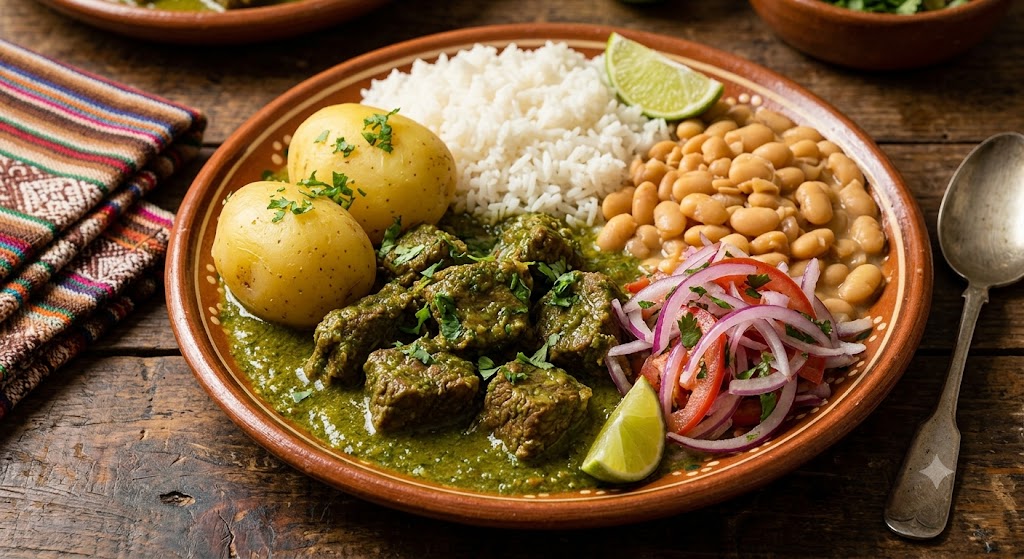
Traditionally, seco de carne peru is served with:
Rice
A bowl of fluffy white rice is the perfect partner for this dish.
The rice absorbs the flavorful green sauce, making every spoonful delicious.
Beans
Many people enjoy seco with beans on the side. The combination of beef, sauce, rice, and beans creates a satisfying meal.
Potatoes
Potatoes are also commonly served with Peruvian dishes. They add comfort and make the meal more filling.
Salsa Criolla
A fresh onion salsa with lime can add a nice contrast to the rich beef stew.
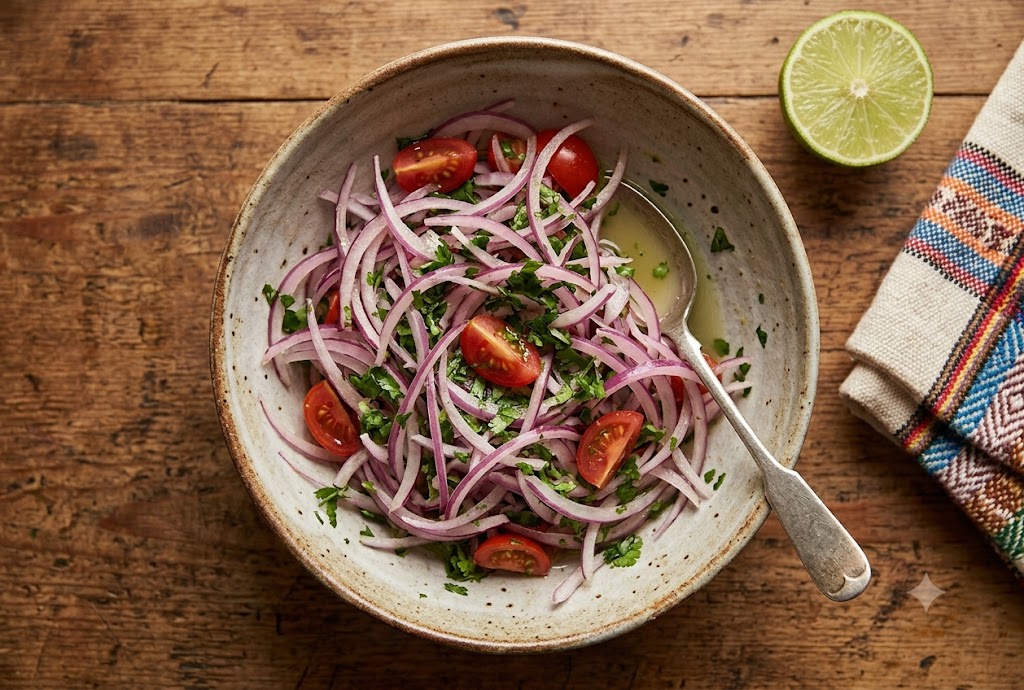
The freshness balances the slow-cooked flavors.
Seco de Carne Peruano vs Escondidinho de Carne Seca
People sometimes compare seco de carne peruano with escondidinho de carne seca, but they are actually different dishes from different food traditions.
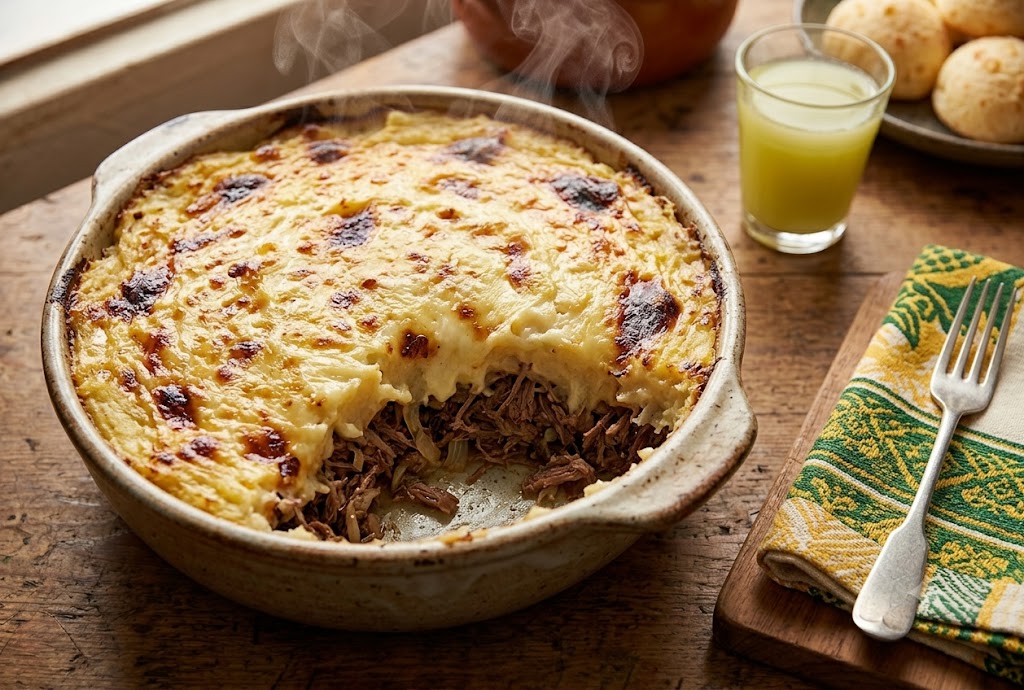
What Is Escondidinho de Carne Seca?
Escondidinho de carne seca is a popular Brazilian dish made with shredded dried meat covered with mashed ingredients, usually cassava or potatoes.
It is more like a baked casserole with layers.
How Is Seco Different?
Seco de carne is a Peruvian-style beef stew.
The main difference is the cooking method:
- Seco uses chunks of beef cooked in a flavorful sauce
- Escondidinho uses shredded dried meat with a creamy topping
- Seco has a fresh cilantro-based flavor
- Escondidinho has a softer layered texture
Both dishes are delicious, but they represent different cultures and cooking styles.
Why People Love This Peruvian Beef Dish
There are many reasons why this recipe has remained popular for generations.
For me, the best part is how a few basic ingredients transform into something so comforting.
It is:
- Full of homemade flavor
- Perfect for family meals
- Easy to prepare ahead of time
- Great for sharing
- Rich in traditional Peruvian taste
Some recipes are special because they remind us of a place or a memory. This dish does exactly that.
The smell of cilantro, the tender beef, and the warm spices create a meal that feels familiar even if you are making it for the first time.
Frequently Asked Questions (FAQ)
What is Seco de Carne Peruano?
Seco de Carne Peruano is a traditional Peruvian beef stew made by slowly cooking beef with cilantro, spices, vegetables, and peppers until the meat becomes tender.
Why is it called Seco de Carne?
Although “seco” means dry in Spanish, the dish is not dry. The name refers to the cooking process where the sauce reduces and becomes thicker.
What type of beef is best for seco?
The best choice is a beef cut that becomes tender with slow cooking. Beef chunks work well because they absorb the flavors of the sauce.
Is Seco de Carne spicy?
It depends on how much chili you add. Traditional recipes often use aji amarillo, which gives flavor and mild heat.
Can I prepare Seco de Carne ahead of time?
Yes. In fact, many people find that the flavor improves after resting because the ingredients have more time to blend together.
Can I freeze Seco de Carne?
Yes, you can freeze it in an airtight container and reheat it later. The texture usually stays good because the beef is already slow cooked.
Is Seco de Carne similar to escondidinho de carne seca?
No, they are different dishes. Escondidinho de carne seca is a Brazilian layered dish, while seco de carne is a Peruvian beef stew.
Conclusion: A Traditional Taste of Peru
Making Seco de Carne Peruano at home showed me how powerful simple ingredients can be. A piece of beef, fresh herbs, and everyday spices can create a meal full of comfort and tradition.
This dish represents the heart of Peruvian cooking — slow preparation, bold flavors, and food made to bring people together.
Whether you are discovering Peruvian food for the first time or already love traditional recipes, seco de carne is definitely worth trying.
The best part is enjoying it with family or friends, sharing stories, and experiencing the flavors of Peru from your own kitchen.

1 Comment
You have definitely have done s disservice sharing this recipe. It is not how we make second de carne. even the serving of it seems so disrespectful to this dish. You should be more respectful to other cultures when sharing their recipes.