
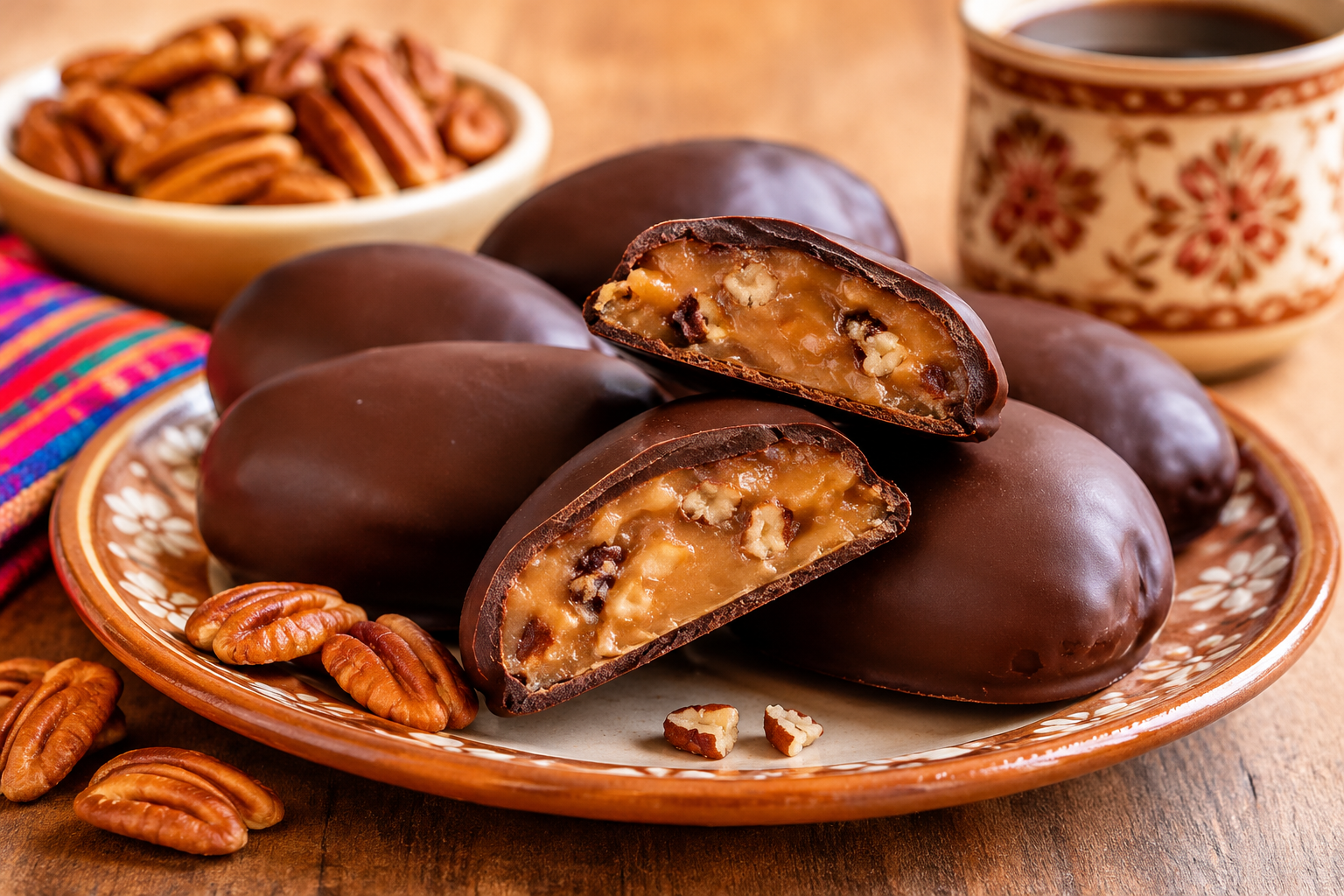
Chocotejas are one of the sweetest treats you can discover in Peru. These small chocolate-covered sweets have a delicious filling made with manjar blanco, pecans, and sometimes dried fruits. Each piece has a firm chocolate outside and a soft, creamy center that makes it hard to stop at just one. Although they are now enjoyed throughout the country, chocotejas have a special connection with Ica, a region on Peru’s southern coast.
What makes these Peruvian sweets interesting is their history. They developed from an older traditional candy called tejas, which was covered with a white sugar coating instead of chocolate. Over time, chocolate became the popular choice, creating the treat many people enjoy today.
The good news is that you do not need to travel to Peru to try them. With good-quality chocolate, thick manjar blanco, and a few pecans, you can prepare homemade chocotejas in your own kitchen. This recipe explains each step, including how to make smooth chocolate shells and keep the filling in place.
What Are Chocotejas?
Chocotejas are traditional Peruvian chocolate sweets made with a chocolate shell and a sweet filling. The most familiar version contains manjar blanco, a thick milk caramel similar to dulce de leche, together with pecans or other nuts.
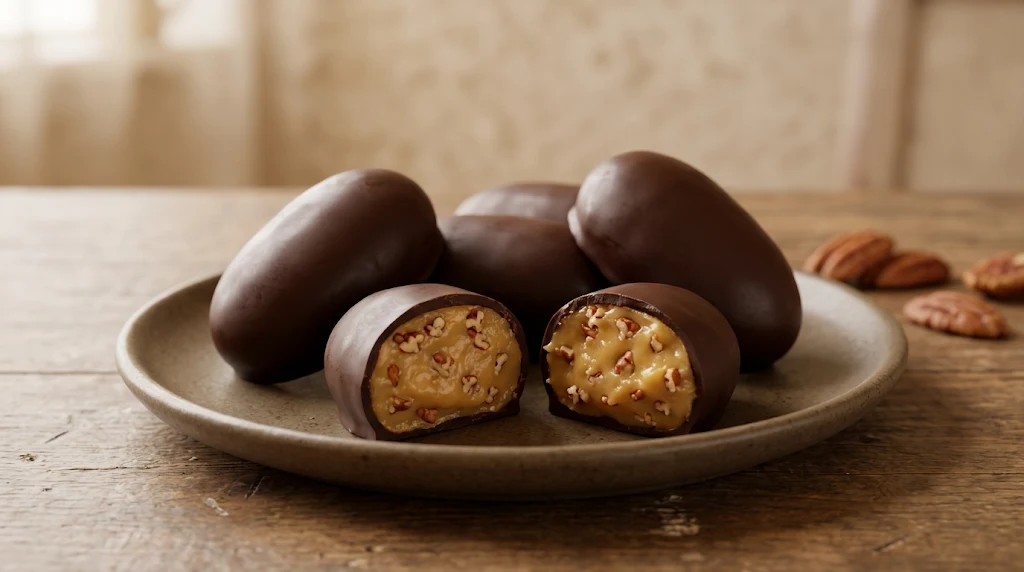
They are usually oval-shaped, although homemade versions can be made in different shapes depending on the molds available. When you bite into one, the chocolate gives a little snap before revealing the soft caramel filling and crunchy nuts.
The combination of textures is what makes them special. The chocolate adds a slightly bitter taste, the manjar blanco brings sweetness, and the pecans provide a pleasant crunch.
In Peru, chocotejas are sold in sweet shops, markets, and small confectionery stores. They are also popular as gifts because they are easy to wrap, share, and carry.
You may find different fillings depending on the region and the person making them. Some contain dried figs, prunes, raisins, coconut, or peanuts. However, the combination of manjar blanco and pecans remains one of the most recognizable choices.
The History of Chocotejas in Peru
To understand chocotejas, it helps to know about their older relative, the traditional Peruvian teja.
Where Did Chocotejas Originate?
Chocotejas are closely associated with Ica, a region in southern Peru known for its traditional sweets, vineyards, and warm coastal climate.
The original teja was made with manjar blanco and ingredients such as pecans or preserved fruits. The filling was covered with a white sugar coating called fondant. According to the Peruvian Ministry of Foreign Trade and Tourism, tejas are a traditional sweet from the province of Ica.
The name teja means roof tile in Spanish. One popular explanation is that the sweets reminded people of the tiles used on traditional rooftops.
Later, confectioners introduced a chocolate-covered version. By replacing the white coating with chocolate, they created a different flavor while keeping the familiar sweet filling.
How Did Tejas Become Chocotejas?
The change from tejas to chocotejas gave this traditional sweet a new identity.
The chocolate coating offered a deeper flavor that balanced the sweetness of the manjar blanco. It also created a different texture and made the sweets appealing to people who preferred chocolate over the original sugar coating.
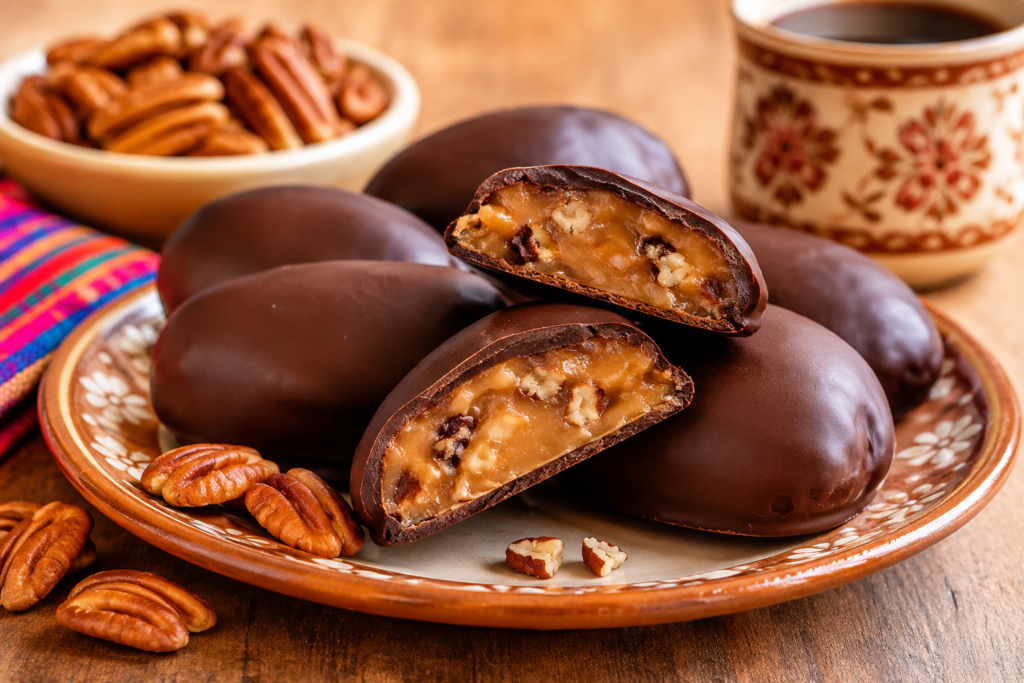
Today, both versions remain part of Ica’s confectionery tradition. Chocotejas have also become popular gifts for visitors who want to take home a taste of Peruvian food culture.
What Makes Chocotejas Perú Special?
There are many chocolate-filled sweets around the world, but chocotejas have their own identity because of their connection with Ica and traditional Peruvian ingredients.
One important part is manjar blanco. This thick milk caramel gives the filling its smooth texture and rich taste. Pecans add crunch and help balance the soft filling.
Another interesting feature is the variety of fillings. Depending on the recipe, chocotejas can include dried fruits, nuts, coconut, and other sweet ingredients.
They are also easy to serve. You can enjoy one after lunch, offer them with coffee, or arrange several pieces in a small gift box.
For anyone exploring postres peruanos, chocotejas are a good example of how a traditional recipe can change over time while keeping its original character.
Ingredients for Homemade Chocotejas
This recipe makes approximately 20–24 medium-sized chocotejas, depending on the size of your molds.
Main Ingredients
- 400 g good-quality dark or semi-sweet chocolate
- 300 g thick manjar blanco
- 100 g pecans, lightly toasted and chopped
- 30 g dried prunes, finely chopped (optional)
- 1 teaspoon vanilla extract (optional)
For the Manjar Blanco Filling
If you cannot find ready-made manjar blanco, you can prepare a homemade version.
- 1 can (397 g) sweetened condensed milk
- 1 can (354 ml) evaporated milk
- 1 teaspoon vanilla extract
Important ingredient notes:
Chocolate: Choose chocolate that melts smoothly and sets firmly. Dark or semi-sweet chocolate works especially well because its slightly bitter taste balances the sweet filling. If possible, use couverture chocolate.
Manjar blanco: The filling should be thick enough to hold its shape. A runny filling can make the chocolate shells difficult to close.
Pecans: Toasting the pecans briefly brings out their natural flavor. Let them cool before adding them to the filling.
Dried fruits: Prunes are a popular option, but you can leave them out for a simple pecan version.
How to Make Chocotejas at Home
Making homemade chocotejas is easier than it may look. The main thing is to prepare the filling properly and work carefully with the chocolate.
Step 1: Prepare the Manjar Blanco
If you are using ready-made manjar blanco, you can skip this step.
To make your own, combine the condensed milk and evaporated milk in a heavy-bottomed saucepan.
Place the pan over low heat and stir continuously with a wooden spoon or heatproof spatula. Keep cooking until the mixture becomes thick and develops a light caramel color.
This process can take approximately 45–60 minutes, depending on your pan and heat level.
The mixture should become thick enough to hold its shape when cooled. Add the vanilla extract near the end and mix well.
Remove the pan from the heat and transfer the manjar blanco to a clean bowl. Allow it to cool completely before using it.
Do not fill the chocolate molds with warm caramel because the heat can soften the chocolate shell.
Step 2: Prepare the Pecans
Place the pecans in a dry frying pan over low heat.
Toast them for approximately 3–5 minutes, stirring occasionally. They should smell slightly nutty but should not become dark or burnt.
Remove them from the pan and let them cool.
Chop the pecans into small pieces. You want enough texture to notice them in the filling without making the pieces too large.
If you are using dried prunes, chop them into small pieces as well.
Combine the pecans, prunes, and cooled manjar blanco in a bowl. Stir gently until everything is evenly mixed.
Step 3: Melt the Chocolate
Chop the chocolate into small, even pieces so it melts more easily.
Place it in a heatproof bowl over a saucepan containing a little gently simmering water. Make sure the bottom of the bowl does not touch the water.
Stir slowly until the chocolate becomes smooth and completely melted.
Keep water away from the chocolate. Even a small amount can affect its texture.
For a professional finish, temper the chocolate according to the temperature instructions for the chocolate you are using. Proper tempering helps create a shiny surface and a firm snap.
If you are using ordinary chocolate chips or compound coating, follow the manufacturer’s melting instructions instead.
Step 4: Make the Chocolate Shells
Take clean, completely dry chocoteja molds.
Spoon a little melted chocolate into each mold. Use a small brush or the back of a spoon to spread it across the bottom and sides.
Make sure there are no thin or uncovered areas. A strong chocolate shell helps prevent the filling from leaking.
Turn the mold upside down briefly to remove excess chocolate if necessary.
Place the molds in the refrigerator for approximately 5–10 minutes, or until the chocolate becomes firm.
For a stronger shell, you can apply a second thin layer and allow it to set again.
Step 5: Add the Filling
Once the chocolate shells are firm, take them out of the refrigerator.
Add a small amount of the manjar blanco and pecan mixture to each shell.
Leave a little space at the top instead of filling the molds completely. This space is needed for the final chocolate layer.
Avoid pressing the filling too firmly against the sides because you want the chocolate to remain visible around the edges.
Step 6: Seal the Chocotejas
Spoon the remaining melted chocolate over the filling.
Spread it gently until the filling is completely covered and the chocolate reaches the edges of each mold.
Use a small spatula to remove any extra chocolate from the top. This helps create a clean, even bottom.
Return the molds to the refrigerator for approximately 15–20 minutes, or until the chocolate has completely set.
Step 7: Remove and Serve
Once the chocolate is firm, gently turn the molds over and remove the chocotejas.
Do not force them out. If they are difficult to remove, give them a little more time to set.
Your homemade Peruvian chocotejas are now ready.
Arrange them on a serving plate or wrap each one individually for a homemade gift.
Different Types of Chocotejas Perú
One of the best things about chocotejas is that you can change the filling without changing the basic preparation method.
Here are some popular varieties you can try.
1. Traditional Pecan Chocotejas
Pecan chocotejas are among the most familiar versions. They combine smooth manjar blanco with crunchy pecans and a chocolate coating.
The nuts give the filling a little texture, while the caramel keeps it soft and sweet.
2. Prune Chocotejas
Prunes add a naturally sweet and slightly fruity flavor. Their soft texture works well with manjar blanco and chocolate.
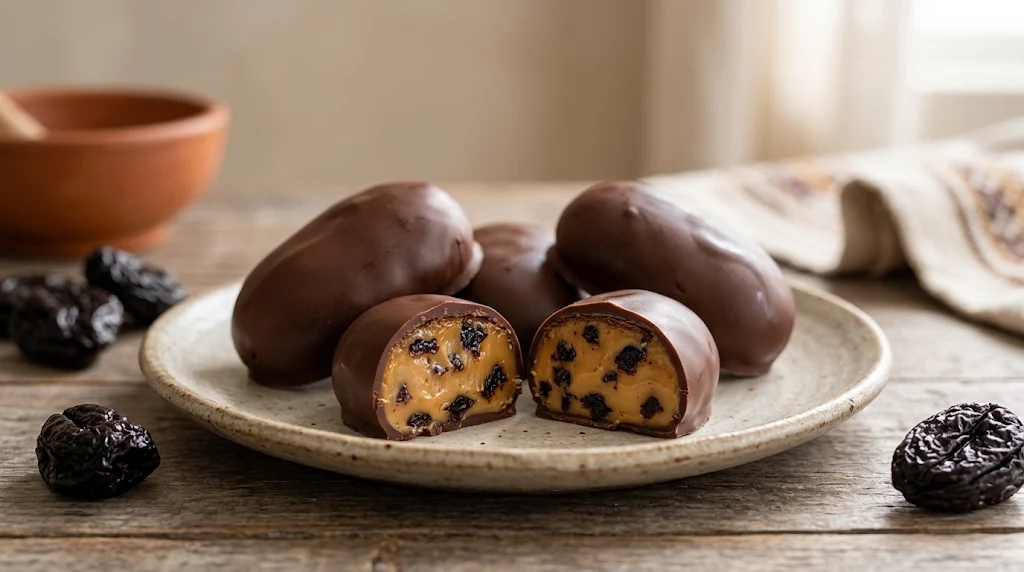
Chop them into small pieces before mixing them into the filling.
3. Coconut Chocotejas
Coconut gives these sweets a different flavor and a little extra texture.
You can mix a small amount of finely grated dried coconut into the manjar blanco. Avoid adding too much because the filling should remain soft and easy to shape.
4. Peanut Chocotejas
Peanuts are a simple alternative to pecans. They have a stronger nutty flavor and provide a satisfying crunch.
Use roasted, unsalted peanuts for a balanced taste.
5. Mixed Fruit Chocotejas
For a fruit-filled version, combine small amounts of chopped dried figs, prunes, or raisins with the manjar blanco.
Make sure the fruit is not too wet. Excess moisture can affect the filling and the chocolate shell.
What Is the Difference Between Tejas and Chocotejas?
Although their names are similar, traditional tejas and chocotejas have one main difference: their outer coating.
Traditional tejas are filled with manjar blanco and nuts or preserved fruits. They are usually covered with a white sugar-based fondant.
Chocotejas use a chocolate coating instead of the traditional white covering.
The fillings can be very similar, but the chocolate gives chocotejas a richer taste and a slightly different texture.
Both sweets are associated with Ica and are important examples of the region’s traditional confectionery.
If you enjoy learning about tejas peru, trying both versions is a great way to understand how one traditional sweet developed into another.
Tips for Making Perfect Homemade Chocotejas
A few simple details can make a big difference in the final result.
Use thick manjar blanco: The filling should not be runny. If it is too soft, it may escape when you seal the molds.
Choose good-quality chocolate: Better chocolate usually gives a smoother flavor and a more pleasant finish.
Keep the molds dry: Water can affect the chocolate and make it difficult to work with.
Do not overfill: Leave enough room to close each chocoteja with a layer of chocolate.
Allow the shells to set: Rushing this step can cause the chocolate to break when you remove the sweets.
Use cooled ingredients: Warm filling can melt the chocolate shell.
Work in small batches: If you are making chocotejas for the first time, prepare a few at a time until you get comfortable with the process.
How to Store Chocotejas
Proper storage helps homemade chocotejas keep their shape, flavor, and texture.
Place the finished sweets in an airtight container. Store them in a cool, dry place away from direct sunlight and heat.
If your kitchen is warm, refrigeration is a better option. Keep them in a sealed container so they do not absorb moisture or other food smells.
For the best texture, allow refrigerated chocotejas to sit at room temperature for around 10–15 minutes before serving.
Homemade chocotejas with dairy-based fillings should be refrigerated and used within about 5–7 days. The exact storage time depends on the filling, preparation, and cleanliness during handling.
Always check for changes in smell, appearance, or texture before eating.
What to Serve with Chocotejas
Chocotejas are rich and sweet, so they are best served with simple drinks that balance their flavor.
Peruvian coffee: A cup of black coffee works well with the chocolate and caramel filling.
Hot chocolate: If you enjoy chocolate, serving chocotejas with a warm drink makes a lovely combination.
Tea: Black tea or a mild herbal tea can balance the sweetness.
Chicha morada: This traditional purple corn drink has a fruity flavor that offers a refreshing contrast to the rich chocolate.
If you want to explore more traditional Peruvian sweets, you can also try Arroz con Leche Peruano, a creamy rice pudding flavored with cinnamon and milk.
When Do Peruvians Enjoy Chocotejas?
Chocotejas are enjoyed throughout the year. They are not limited to one holiday or special celebration.
Many people buy them from confectionery shops as a small treat or give them to friends and family.
They are also popular gifts for visitors to Ica. Because they are individually wrapped and easy to carry, they make a convenient souvenir.
During family gatherings and celebrations, they can be served alongside other sweets. A small plate containing different fillings gives everyone a chance to try more than one variety.
For a wider look at Peruvian sweets and food traditions, you can explore our guide to traditional Peruvian food, which also introduces popular desserts such as picarones and Suspiro a la Limeña.
Frequently Asked Questions About Chocotejas
1. What are chocotejas made of?
Chocotejas are made with a chocolate outer shell and a sweet filling, usually consisting of manjar blanco and pecans. Some versions also contain prunes, dried figs, raisins, coconut, or peanuts.
2. Are chocotejas originally from Peru?
Yes. Chocotejas are a traditional Peruvian confection associated with Ica, a region on the country’s southern coast. They developed from the older teja sweet, which has a white fondant coating.
3. What is the difference between tejas and chocotejas?
The main difference is the coating. Traditional tejas are covered with white sugar-based fondant, while chocotejas have a chocolate coating. Both can contain manjar blanco and nuts or dried fruits.
4. What filling is traditionally used in chocotejas?
Manjar blanco is the main filling. Pecans are also commonly used, although some recipes include dried fruits such as prunes, figs, and raisins.
5. Can I make chocotejas without molds?
Yes. You can place small portions of manjar blanco and pecans on baking paper and carefully cover them with melted chocolate. Allow them to set before serving. They may not have the traditional oval shape, but they will still taste delicious.
6. How long do homemade chocotejas last?
Homemade chocotejas with dairy-based fillings are best kept refrigerated and used within approximately 5–7 days. Store them in an airtight container and avoid leaving them in a warm place.
7. Can I use milk chocolate instead of dark chocolate?
Yes. Milk chocolate works well if you prefer a sweeter taste. Dark or semi-sweet chocolate is a good choice if you want to balance the sweetness of the manjar blanco.
8. Can I prepare chocotejas ahead of time?
Yes. You can prepare them a day before serving. Once the chocolate has set, place the sweets in an airtight container and keep them refrigerated.
Final Thoughts on Traditional Peruvian Chocotejas
Chocotejas are more than simple chocolate sweets. They represent a traditional part of Ica’s food culture and show how a familiar recipe can develop into something new without losing its original charm.
The combination of chocolate, manjar blanco, and crunchy pecans makes them special. What I like most about this recipe is that you can keep it traditional or try different fillings depending on what you have available.
If you are making them for the first time, start with the classic pecan and manjar blanco version. Take your time with the chocolate shells, use a thick filling, and allow each layer to set properly.
Once you have made your first batch, you will understand why these little Peruvian treats are enjoyed by so many people. They are lovely to share with family, serve with coffee, or prepare as a homemade gift.
