
If you ask someone to name a famous drink from Peru, Pisco will probably be one of the first answers. The Peruvian national drink is a clear grape spirit that has been part of the country’s food and drink culture for centuries. It is enjoyed in different ways, from a simple glass of Pisco to the much-loved Pisco Sour. What makes it interesting is that Pisco is not just about drinking. Its story is tied to Peruvian vineyards, local traditions, regional food, and the people who have kept its production alive over generations.
What Is the Peruvian National Drink?
Pisco is Peru’s best-known traditional spirit. It is made from grapes grown in parts of Peru where the climate is well suited to vineyards.
Unlike whisky or many types of rum, Pisco is usually clear rather than dark or barrel-aged. Its flavor comes mainly from the grapes and the way they are fermented and distilled.
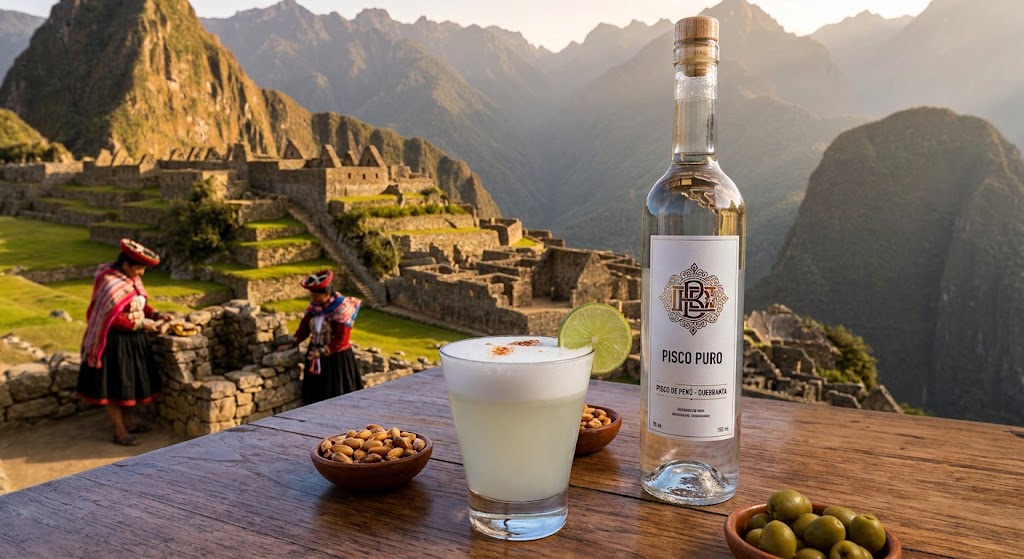
You can drink Pisco on its own, but it is probably best known outside Peru as the main ingredient in the Pisco Sour. The cocktail has become so closely linked with Peru that many visitors try it for the first time while exploring Peruvian food and culture.
There are also several other drinks made with Pisco, including Chilcano and different fruit-based sours. So, while the Pisco Sour may be the most famous example, it is only one part of the story.
What Exactly Is Pisco?
At its simplest, Pisco is a distilled spirit made from grapes.
The process begins with grapes harvested from approved Pisco-producing areas. The grapes are turned into fresh must, which is then fermented. After fermentation, the liquid is distilled to produce the spirit.
One of the things that makes traditional Peruvian Pisco different is that producers do not simply make a neutral spirit and add flavors later. The character of the grape remains an important part of the finished drink.
The type of grape used can make a noticeable difference. Some varieties are naturally more aromatic, while others give a fuller or more distinctive taste.
Pisco also comes in different styles, so two bottles sitting next to each other on a shelf may taste quite different even though both are genuine Peruvian Pisco.
A Short History of Pisco
Pisco has a history that goes back to the early Spanish colonial period in Peru.
Spanish settlers brought grapevines to South America, and vineyards began to develop in Peru. The coastal valleys offered suitable conditions for growing grapes, and local producers eventually began making grape-based spirits.
The name Pisco has long been associated with the port and surrounding area of Pisco on Peru’s southern coast. Over time, the spirit became an important product in local trade.
As production grew, Pisco became part of everyday life as well as celebrations and social gatherings. Families, vineyards, and traditional producers passed their knowledge from one generation to the next.
Today, Pisco is strongly connected with Peruvian identity. It is served at restaurants, festivals, family events, and special occasions. For many Peruvians, it represents a piece of their country’s history rather than simply another type of alcohol.
Where Is Pisco Made in Peru?
Pisco production is officially associated with five main regions:
- Lima
- Ica
- Arequipa
- Moquegua
- Tacna
Ica is perhaps the name most people associate with Pisco. The region is known for its vineyards, dry climate, and long connection with grape growing.
A trip through the Ica area can include stops at vineyards and traditional wineries where visitors can learn about the production process and taste different Piscos.
But Ica is not the whole story. The other four regions also have their own Pisco traditions. Differences in climate, soil, grapes, and local production methods can give Piscos from different areas their own character.
This regional connection is one reason Pisco is such an interesting part of Peruvian food culture.
How Is Peruvian Pisco Made?
Making Pisco starts with good grapes, but there is more to it than simply crushing them and distilling the juice.
First, ripe grapes are harvested from the vineyards. They are processed to obtain fresh grape must. The must is then fermented, allowing the natural sugars in the grapes to turn into alcohol.
Once the fermentation reaches the required stage, the fermented must is distilled.
The basic process can be thought of like this:
Grapes → Fresh grape must → Fermentation → Distillation → Pisco
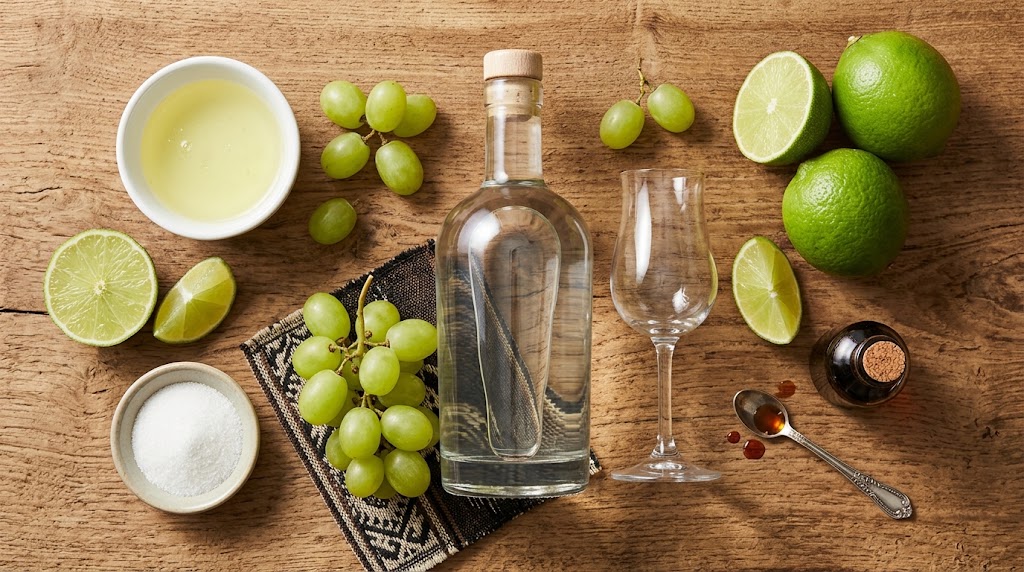
The skill of the producer matters throughout the process. The choice of grapes, the timing of fermentation, and the distillation all affect the final result.
Traditional Peruvian Pisco also follows specific production rules. It is not simply any grape spirit made in Peru. Authentic Pisco is made according to the requirements of Peru’s denomination of origin.
The Grapes Behind Pisco
One of the most interesting things about Pisco is the range of grapes used to make it.
Peru recognizes eight grape varieties for Pisco production:
- Quebranta
- Negra Criolla
- Mollar
- Italia
- Moscatel
- Albilla
- Torontel
- Uvina
You do not need to know all eight varieties before trying Pisco. Still, learning about them helps explain why different bottles can have very different aromas and flavors.
Quebranta
Quebranta is one of the best-known Pisco grapes. It is widely associated with traditional Peruvian Pisco and is commonly used for Pisco Puro.
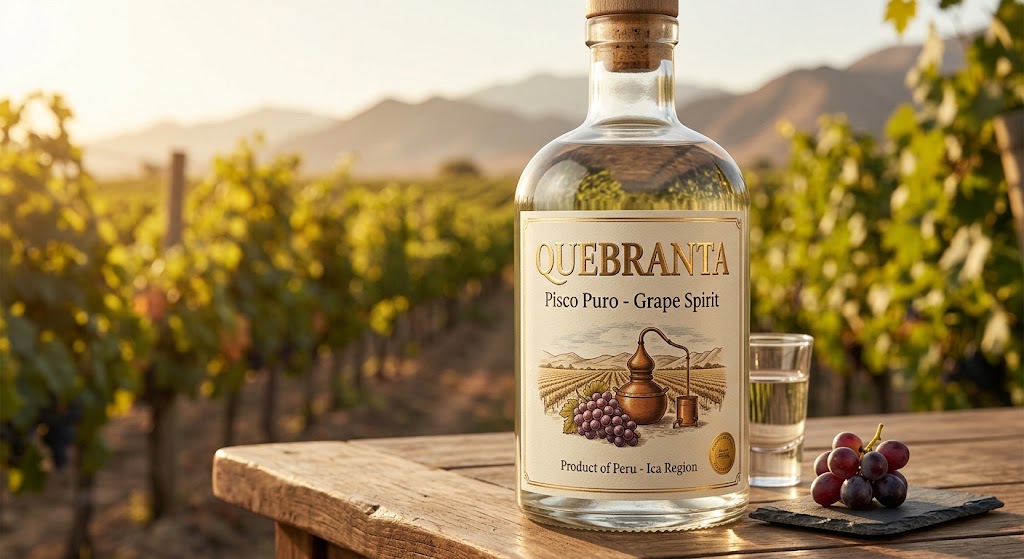
Its character can be quite distinctive, making it a good choice for people who want to experience the taste of a single grape variety.
Italia
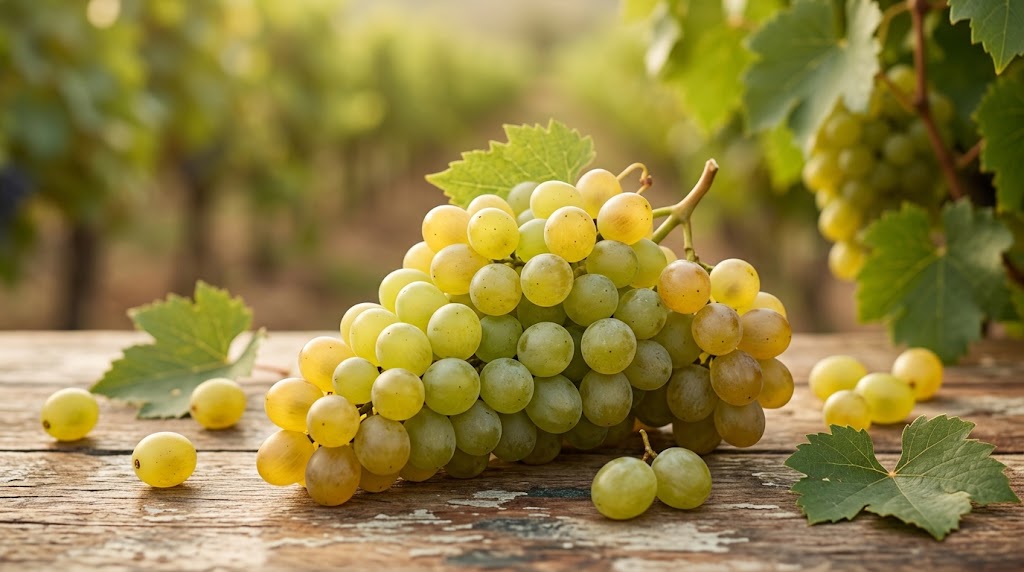
Italia is an aromatic grape that can give Pisco floral and fruity notes. It is often appreciated by people who enjoy spirits with noticeable aromas.
Torontel
Torontel is another aromatic variety. Pisco made with this grape can have a fragrant character with fruit and floral notes.
Moscatel
Moscatel is known for its aromatic qualities. When used in Pisco, it can produce a spirit with a pleasant and expressive nose.
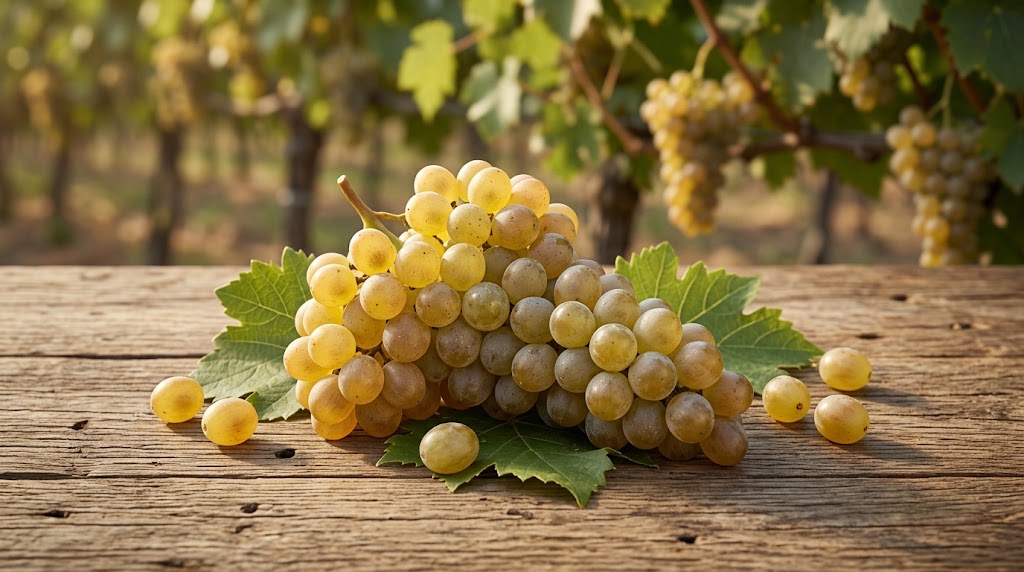
Albilla
Albilla is one of Peru’s traditional Pisco grapes. It is less familiar to international drinkers but remains an important part of Pisco production.
Negra Criolla
Negra Criolla is a historic grape variety that has been grown in Peru for centuries. It is one of the grapes permitted for Pisco production.
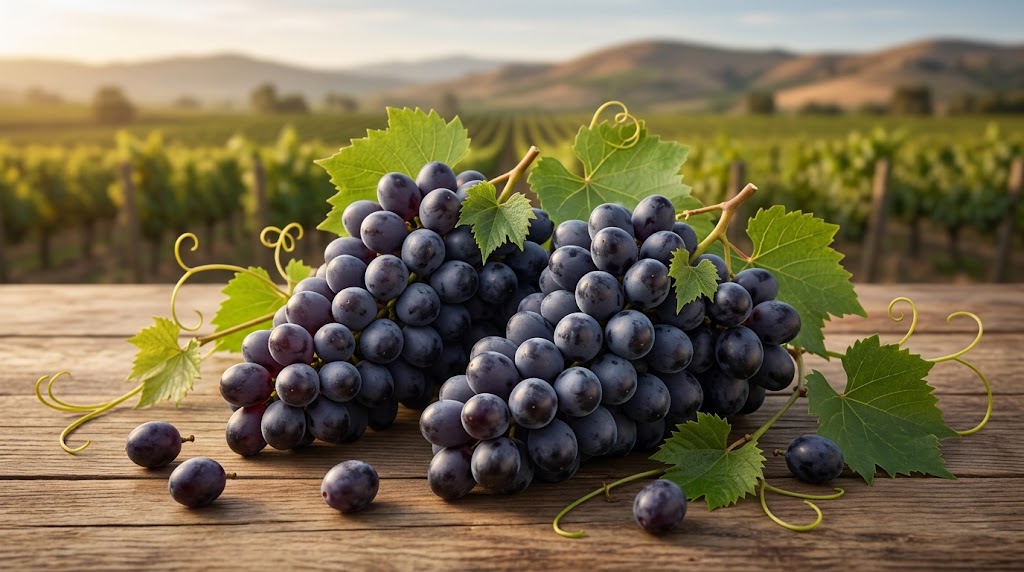
Mollar
Mollar is another traditional Pisco grape. Although it may not be as widely known as Quebranta, it contributes to the variety found in Peruvian Pisco.
Uvina
Uvina is the eighth approved grape variety. It is linked with particular Pisco-producing areas and adds another option for producers and drinkers to explore.
Three Main Types of Peruvian Pisco
If you are shopping for a bottle, you may notice three terms appearing again and again: Puro, Acholado, and Mosto Verde.
Understanding the difference makes choosing a bottle much easier.
Pisco Puro
Pisco Puro is made using one grape variety.
Because there is only one variety involved, its flavor gives you a better idea of what that particular grape brings to the spirit.
Quebranta is a common choice for Pisco Puro, although other approved varieties can also be used.
Pisco Acholado
Acholado is a blend of different grape varieties.
Instead of highlighting one grape, the producer combines varieties to create a particular balance of aromas and flavors.
This can make Acholado a fun option if you like spirits with more than one noticeable layer of flavor.
Pisco Mosto Verde
Mosto Verde is made from grape must that has not completely finished fermenting before distillation.
The process is different from the other two styles and can produce a softer, more distinctive spirit.
For someone who has already tried regular Pisco, Mosto Verde is worth exploring because it offers a different experience.
What Does Pisco Taste Like?
There is no single answer because Pisco does not have one fixed flavor.
The taste depends on the grape variety, production style, and producer. Some Piscos have fruity aromas, while others can be floral, herbal, citrusy, or more earthy.
It is also different from aged spirits that spend years in wooden barrels. Traditional Pisco is clear and does not get its character from long periods of oak aging.
If you are new to Pisco, a Pisco Sour may be the easiest introduction. The lime and sweetness soften the stronger spirit character.
But if you want to understand Pisco itself, try a small amount neat. Give it a moment before taking a sip and pay attention to the smell first. You may notice much more than you expect.
Pisco and Pisco Sour: What’s the Difference?
This is a common source of confusion.
Pisco is the spirit. Pisco Sour is the cocktail.
A traditional Pisco Sour combines Pisco with fresh lime juice and simple syrup. Egg white is commonly added to give the drink its smooth layer of foam, while bitters are often placed on top.
The result is a cocktail that balances sour, sweet, and spirit flavors.
The drink is strongly associated with Peru and has become one of the country’s best-known cocktails around the world.
So, if someone says they want to try Peru’s national drink, they may be thinking of a Pisco Sour. Technically, however, the national spirit is Pisco itself.
Popular Drinks Made With Pisco
Pisco is not limited to one cocktail. Peruvian bartenders use it in many different drinks.
Chilcano
Chilcano is a simple Pisco cocktail made with ginger ale, lime, and bitters. It is lighter and more refreshing than a traditional Pisco Sour.
It is especially enjoyable when you want something easy to sip rather than a rich or creamy cocktail.
Maracuyá Sour
Maracuyá Sour uses passion fruit to give a Pisco cocktail a tropical flavor.
The natural tartness of passion fruit works well with Pisco, while its sweetness makes the drink approachable.
Chicha Sour
Chicha Sour takes inspiration from chicha morada, the popular purple corn drink found throughout Peru.
It brings familiar Peruvian flavors into a cocktail and offers something different from the usual lime-based sour.
Algarrobina Cocktail
The Algarrobina cocktail is much sweeter and creamier. It is made with Pisco and algarrobina syrup along with ingredients such as milk.
For people who enjoy dessert-style drinks, it can be a very different way to experience Pisco.
How Do Peruvians Drink Pisco?
There is no rule that says Pisco has to be turned into a cocktail.
It can be served neat, particularly when someone wants to appreciate the spirit itself. A suitable glass can help bring out its aromas, and taking small sips allows you to notice its character.
Of course, cocktails are a big part of Pisco culture too. Pisco Sour is the obvious choice, while Chilcano is a good option for something lighter.
The setting matters as well. Pisco might be enjoyed during a meal, at a family celebration, in a restaurant, or while relaxing with friends.
That social side is part of what makes the drink important in Peru.
Pisco and Peruvian Food
Pisco naturally fits alongside Peruvian cuisine.
Peruvian food has strong flavors, fresh ingredients, seafood, grilled meats, spicy sauces, and plenty of citrus. A well-made Pisco cocktail can work nicely with many of these dishes.
A Pisco Sour and ceviche are an especially familiar combination. The lime in the cocktail echoes the bright citrus flavors found in the dish.
Pisco can also be enjoyed with foods such as anticuchos, lomo saltado, and other traditional dishes.
There is no strict pairing list, though. If you enjoy a particular combination, that is usually the best place to start.
Pisco Tourism: Visiting Peru’s Vineyards
If you are interested in Pisco beyond the bottle, visiting a vineyard or traditional winery can make the drink much easier to understand.
Ica is one of the best-known destinations for this kind of experience. Visitors can see vineyards, learn about grape production, visit Pisco producers, and taste different styles.
Some tours focus on the production process, while others are more about tasting and local history.
Pisco tourism also gives travelers a chance to see the connection between agriculture and Peruvian food culture. The drink begins with grapes growing in the fields and eventually becomes part of meals, celebrations, and national traditions.
For anyone interested in Peruvian cuisine, it can be a worthwhile experience.
When Is Pisco Day in Peru?
Pisco has its own special day in Peru. National Pisco Day is celebrated on the fourth Sunday of July.
There is also a separate celebration for the Pisco Sour. Pisco Sour Day takes place on the first Saturday of February.
These celebrations often include food, tastings, cultural activities, and plenty of Pisco-based drinks.
They also show how much the drink means to Peru. Pisco is not treated simply as another alcoholic beverage. It has a place in the country’s cultural calendar.
How to Choose a Peruvian Pisco
If you are buying Pisco for the first time, the number of bottles can feel confusing.
Start by checking the label. Look at the type of Pisco and the grape variety when that information is provided.
If you want to compare grape flavors, Pisco Puro is a good place to start. If you prefer blended spirits, try Acholado. And if you want something a little different, Mosto Verde is worth considering.
It is also better to buy from a reliable producer or retailer. Proper labeling is important, especially when you are looking for authentic Peruvian Pisco.
You do not necessarily need the most expensive bottle. A well-made Pisco from a reputable producer can be a much better introduction than choosing a bottle simply because it has a high price.
Is Pisco Only Popular in Peru?
Pisco is strongly connected with Peru, but its reputation has spread far beyond the country.
Peruvian restaurants around the world often include Pisco cocktails on their menus. The Pisco Sour, in particular, has become familiar to drinkers who may never have visited Peru.
Still, tasting Pisco in Peru offers something different. There, the drink comes with the history, food, vineyards, and traditions that surround it.
That wider context is part of what makes Pisco special.
Frequently Asked Questions
What is Peru’s national drink?
Pisco is widely recognized as Peru’s national spirit. It is a grape-based distilled spirit with a long history in the country.
Is Pisco a Peruvian liquor?
Yes. Peruvian Pisco is a grape spirit produced in Peru’s recognized Pisco-producing regions according to specific production rules.
What is Peruvian alcohol made from?
Pisco, one of the best-known examples of Peruvian alcohol, is made from grapes. Peru recognizes eight grape varieties for Pisco production.
Is Pisco the same as Pisco Sour?
No. Pisco is the spirit, while Pisco Sour is a cocktail made using Pisco.
What are the three types of Pisco?
The main types are Pisco Puro, Pisco Acholado, and Pisco Mosto Verde.
What grapes are used to make Pisco?
The eight recognized varieties are Quebranta, Negra Criolla, Mollar, Italia, Moscatel, Albilla, Torontel, and Uvina.
Where is Pisco made?
Pisco is produced in the recognized regions of Lima, Ica, Arequipa, Moquegua, and Tacna.
Can Pisco be drunk straight?
Yes. Pisco can be enjoyed neat or used as the base for cocktails.
When is National Pisco Day?
National Pisco Day is celebrated in Peru on the fourth Sunday of July.
Final Thoughts
Pisco is easy to recognize once you know what it is, but its story goes much deeper than a bottle of clear spirit.
It connects Peru’s vineyards with its kitchens, restaurants, celebrations, and traditions. There are different grape varieties to explore, several styles of Pisco, and plenty of cocktails beyond the famous Pisco Sour.
Whether you are interested in Peruvian liquor, planning a trip to Peru, or simply looking for something new to try, Pisco is a good introduction to the country’s drink culture.
And if you ever find yourself in Peru, having a Pisco Sour is more than checking a famous cocktail off your list. It is a small taste of a tradition that has been part of the country for generations.
