
When people first discover Peruvian cuisine, they are often surprised by how much variety there is. The food is fresh, colorful, filling, and full of different flavors. From fresh seafood on the Pacific coast to hearty dishes from the Andes and unique meals from the Amazon, there is something for almost every taste.
What I especially like about Peruvian cooking is that many dishes use simple ingredients but turn them into something memorable. Potatoes, corn, rice, peppers, chicken, beef, seafood, and fresh herbs appear in many traditional meals, but the way they are combined makes each dish different.
If you are wondering what typical food in Peru looks like, this guide is a good place to start. Below, I will take you through some of the most traditional Peruvian dishes, popular street foods, regional specialties, desserts, and drinks worth trying.
What Is Typical Food in Peru?
Peruvian food has developed through centuries of different cultural influences. Indigenous cooking traditions form its foundation, while Spanish, African, Chinese, Japanese, and other influences have also shaped the cuisine.
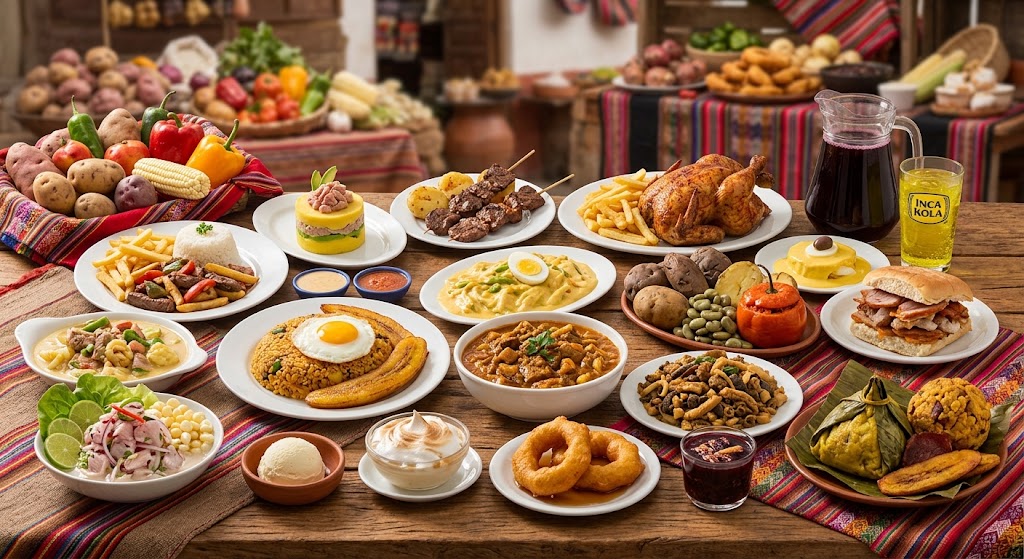
This is one reason Peruvian food can feel so diverse. You can have a light seafood dish for lunch, a rich meat and potato meal later in the day, and finish with a sweet traditional dessert.
Some ingredients are especially important in Peruvian cooking. Potatoes are a major example. Peru is famous for its incredible variety of potatoes, and they are used in everything from appetizers to main courses. Corn, quinoa, ají peppers, sweet potatoes, tomatoes, beans, and fresh seafood are also common.
Another important part of Peruvian cuisine is ají amarillo. This yellow pepper gives many dishes a distinctive flavor and gentle heat without making everything extremely spicy.
15 Typical Foods in Peru You Should Try
1. Ceviche
Ceviche is probably the first dish that comes to mind when talking about Peruvian cuisine. It is one of the country’s best-known foods and is especially popular along the coast.
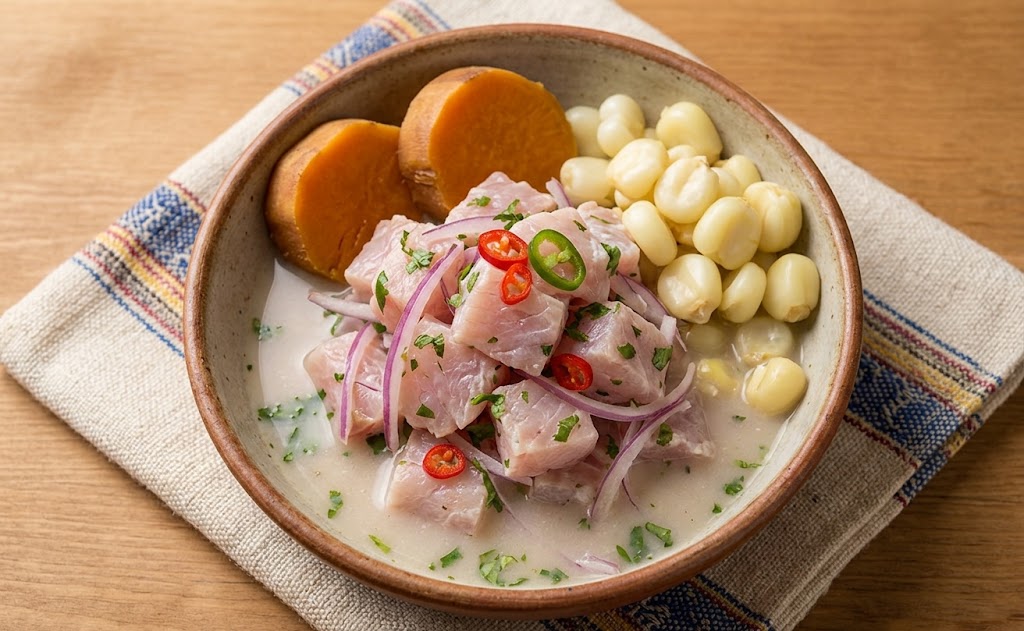
Traditional ceviche is made with fresh raw fish that is marinated in lime juice and mixed with ingredients such as red onion, cilantro, and ají. It is usually served with sweet potato and corn.
The combination of fresh fish, citrus, onion, and chili creates a bright and refreshing flavor. Unlike heavy meals, ceviche feels light, making it particularly enjoyable on a warm day.
If you are trying Peruvian food for the first time, ceviche is one dish I would put near the top of the list.
2. Lomo Saltado
Lomo Saltado is a perfect example of the cultural diversity found in Peruvian cooking. It combines tender beef with onions, tomatoes, soy sauce, and other seasonings, and it is commonly served with rice and French fries.
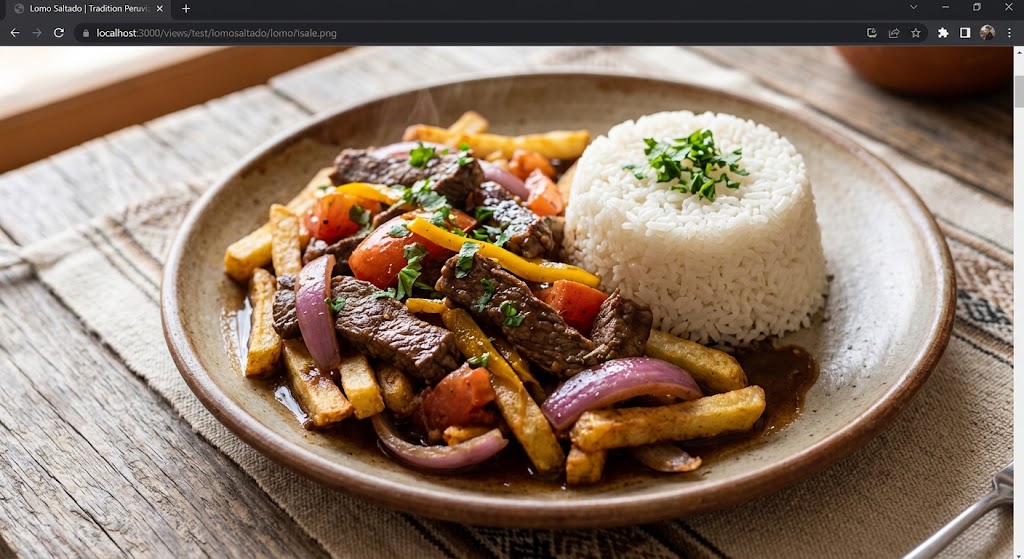
The dish has strong Chinese-Peruvian influences, often associated with the country’s chifa cooking tradition.
What makes it so enjoyable is the contrast between the juicy beef and vegetables, salty sauce, crispy fries, and fluffy rice. It is filling without being complicated, which is probably one reason it has become such a popular Peruvian meal.
3. Causa Rellena
Causa Rellena is a colorful potato dish that is usually served cold. It is made with yellow potatoes, lime juice, ají amarillo, and oil, then layered with fillings such as chicken, tuna, avocado, or seafood.
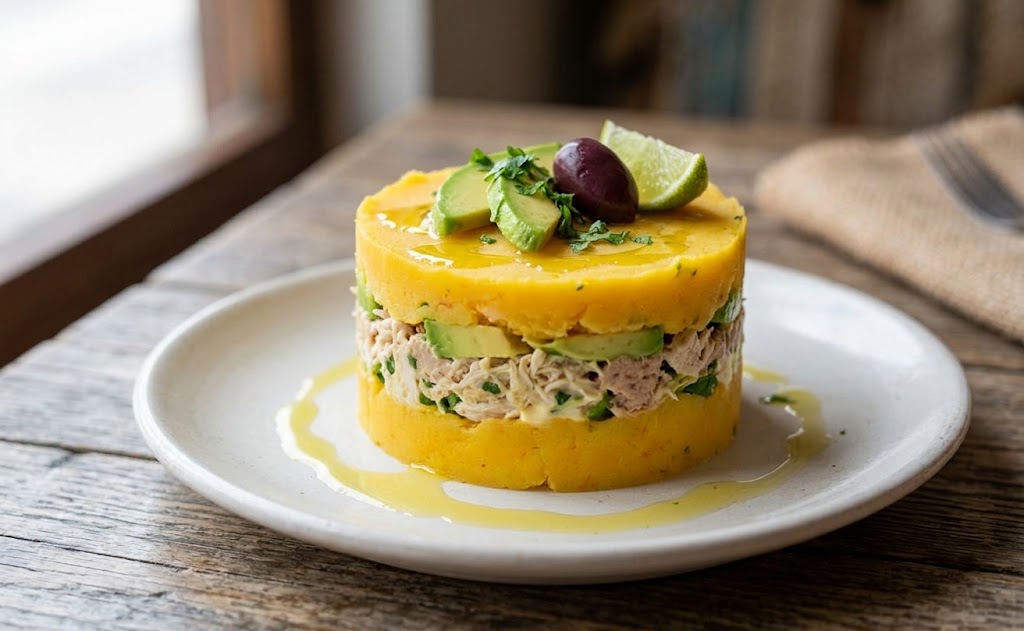
The potato mixture has a soft texture and a mild, slightly spicy flavor.
Causa is a great example of how Peruvians can take an everyday ingredient like potatoes and turn it into an attractive and flavorful dish. It is often served as an appetizer, but a generous portion can also make a satisfying light meal.
4. Anticuchos
Anticuchos are traditional grilled skewers and are especially popular as street food.
The classic version is made with beef heart, although other meats can also be used. The meat is marinated with spices and chili before being grilled over a hot fire.
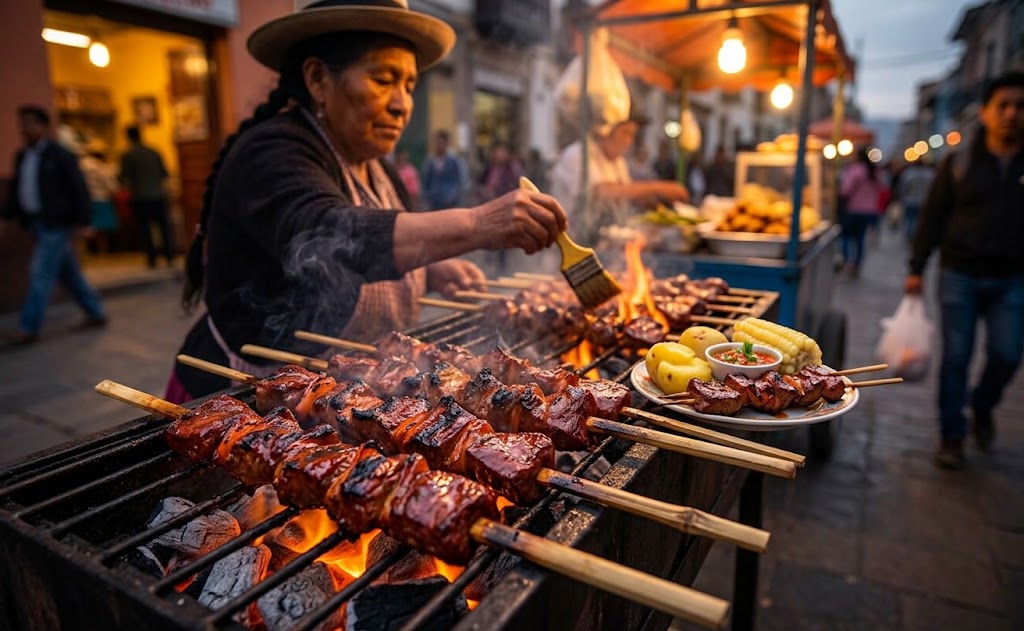
The smoky smell from the grill is part of the experience. Anticuchos are commonly served with potatoes, corn, or a spicy sauce.
If you enjoy grilled food, this is definitely something worth trying. It is simple, flavorful, and closely connected with Peru’s street-food culture.
5. Ají de Gallina
Ají de Gallina is a comforting Peruvian dish made with shredded chicken in a creamy sauce flavored with ají amarillo.
The sauce can also include ingredients such as bread, milk, cheese, walnuts, and seasonings. It is normally served over white rice with potatoes and olives.
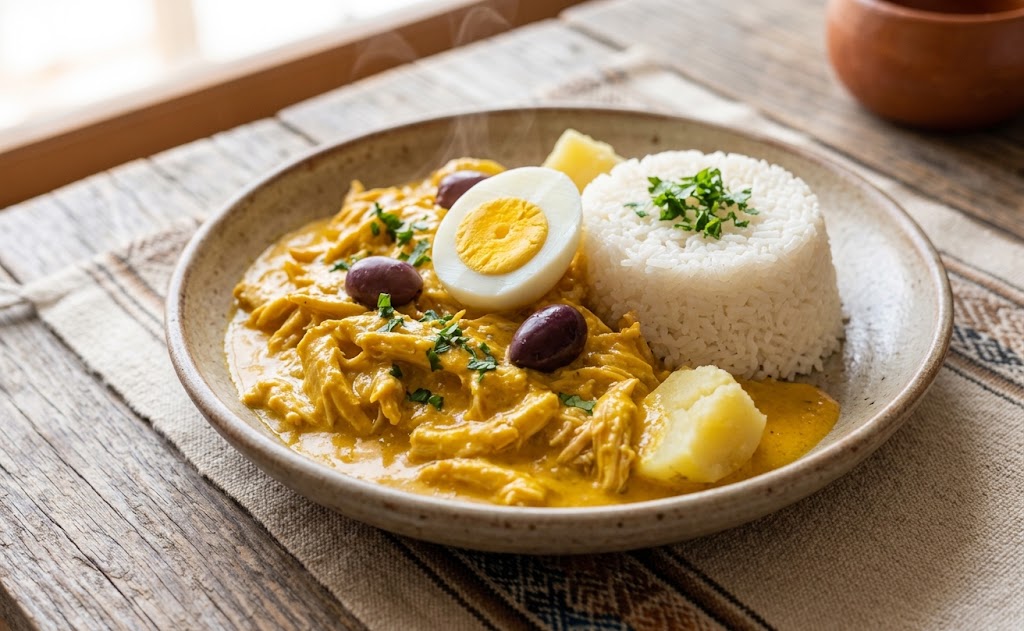
The name may suggest that it is extremely spicy, but traditional versions are usually more about flavor than intense heat. The ají gives the dish its characteristic taste and beautiful yellow color.
For someone who prefers creamy and comforting meals, this is an excellent introduction to Peruvian home cooking.
6. Pollo a la Brasa
Pollo a la Brasa is Peruvian-style roasted chicken. It is cooked on a rotating spit, which gives the skin a delicious roasted flavor while keeping the meat tender.
It is usually served with French fries, salad, and different sauces.
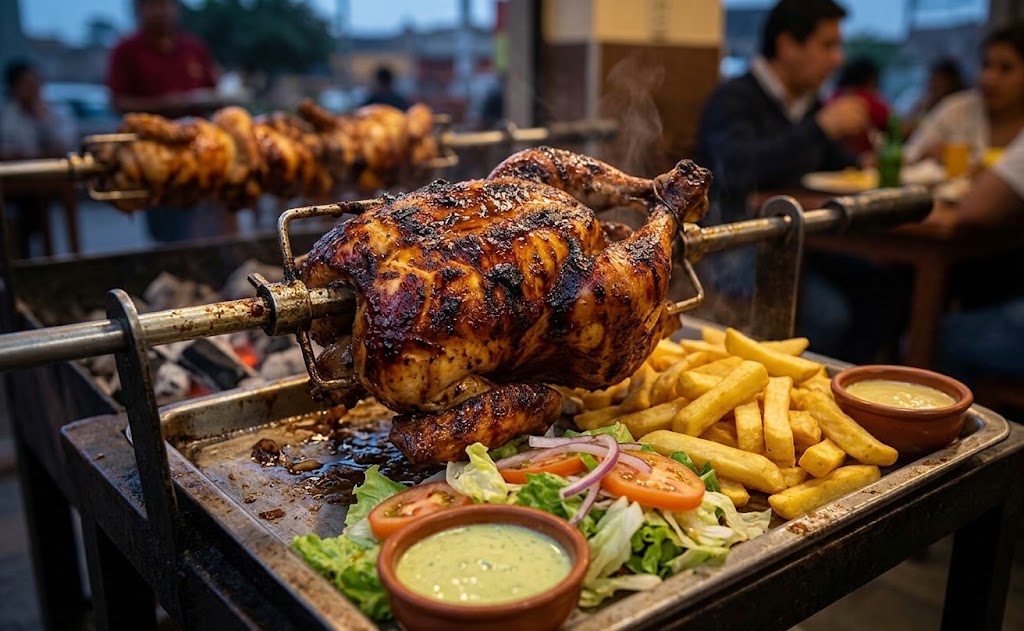
Although roasted chicken sounds simple, the seasoning makes the Peruvian version special. It has become such a popular part of everyday food culture that you will find pollo a la brasa restaurants in many parts of Peru.
It is also a good choice for families because it is familiar, filling, and easy to share.
7. Papa a la Huancaína
Papa a la Huancaína is one of the simplest dishes on this list, but it has plenty of flavor.
It consists of boiled potatoes covered with a creamy yellow sauce made with ingredients such as fresh cheese, milk, crackers, and ají amarillo. It is often served with lettuce, olives, and boiled eggs.
The sauce is the star of the dish. It is creamy, slightly spicy, and savory.
This dish also shows how important potatoes are in Peruvian cuisine. A basic potato becomes something special when combined with a well-seasoned sauce.
8. Tacu Tacu
Tacu Tacu is a traditional dish made from rice and beans that are mixed together and pan-fried until the outside becomes slightly crisp.
It can be served with different toppings, including meat, seafood, eggs, or a fried plantain.
The dish is hearty and economical, making it a great example of traditional home-style cooking. The crispy outside and soft interior create a pleasant texture.
It is also connected to Peru’s Afro-Peruvian culinary heritage, adding an important cultural story to the food itself.
9. Carapulcra
Carapulcra is an old Peruvian stew made with dried potatoes and traditionally combined with meat, peanuts, and flavorful spices.
It has a deeper and richer flavor than lighter dishes such as ceviche or causa.
Carapulcra is especially interesting because it reflects older cooking traditions and the creative use of ingredients that could be stored for long periods.
The dried potatoes give the stew a distinctive texture and earthy flavor. It is the kind of dish that feels comforting and satisfying, especially when you want something warm.
10. Pachamanca
Pachamanca is not just a dish; it is also a traditional way of cooking food.
The name is associated with cooking in the earth. Meat, potatoes, corn, beans, and other ingredients are placed in an underground pit with heated stones and covered while they cook.
This method gives the food a unique earthy and smoky flavor.
Pachamanca is strongly connected with the Andes and is often prepared during celebrations and gatherings. Sharing the meal is an important part of the experience, which makes it more than simply eating a plate of food.
11. Rocoto Relleno
Rocoto Relleno is especially associated with Arequipa in southern Peru.
Rocoto is a type of pepper that can be quite hot. In this dish, it is filled with a seasoned meat mixture and usually topped with cheese before being baked.
The result is a rich combination of spicy pepper, savory filling, and melted cheese.
If you enjoy spicy food, Rocoto Relleno is one Peruvian specialty you should know about. Just remember that the heat can be stronger than you expect.
12. Pan con Chicharrón
Pan con Chicharrón is a popular Peruvian sandwich that is often enjoyed for breakfast or as a casual meal.
It traditionally combines fried or roasted pork with sweet potato and salsa criolla inside a crusty bread roll.
The sweet potato balances the salty pork, while the onion-based salsa adds freshness.
It is a great example of how Peruvian street food can be simple but incredibly satisfying. If you like hearty breakfast sandwiches, this is one to try.
13. Chanfainita
Chanfainita is a traditional Peruvian dish prepared mainly with beef tripe and potatoes. It is seasoned with ingredients such as ají panca, garlic, onion, and herbs.
This is not necessarily the first dish I would recommend to someone who is unfamiliar with offal, but it is an important part of traditional Peruvian food culture.
It shows how Peruvian cooking has historically made use of different parts of an animal rather than wasting them.
14. Juane
Juane comes from the Amazon region of Peru and is quite different from many coastal and Andean dishes.
It is generally made with rice, chicken, eggs, olives, and seasonings, then wrapped in bijao leaves before being cooked.
The leaf wrapping gives the dish a distinctive presentation and helps create its traditional character.
Juane is particularly connected with celebrations in the Peruvian Amazon, where it is an important part of local food traditions.
15. Tacacho con Cecina
Tacacho con Cecina is another popular Amazonian dish.
Tacacho is made from green plantains that are cooked, mashed, and combined with ingredients such as pork fat. Cecina is salted and smoked pork.
The combination is rich, filling, and very different from the lighter seafood dishes associated with Lima and the coast.
Trying Tacacho con Cecina gives you a better understanding of how much Peruvian cuisine changes from one region to another.
Typical Food in Peru by Region
One of the best ways to understand Peruvian cuisine is to look at its regions.
Coastal Peru
The coast is strongly associated with seafood. Ceviche is the most famous example, but you will also find dishes featuring fish, shrimp, squid, and other seafood.
Lima is particularly important because its food culture combines traditional Peruvian ingredients with international influences.
Andean Peru
Food from the Andes is often hearty and filling. Potatoes, corn, quinoa, grains, and different meats are important ingredients.
Pachamanca is one of the best-known examples of traditional Andean cooking.
Amazonian Peru
Amazonian cuisine uses ingredients that are common in the rainforest region, including plantains, cassava, river fish, and local herbs.
Juane and Tacacho con Cecina are two dishes that show how different Amazonian food can be from coastal cuisine.
Popular Peruvian Street Food
Street food is an important part of everyday eating in Peru. It gives visitors a chance to try traditional flavors without sitting down for a formal meal.
Some popular options include Anticuchos, Papa Rellena, Pan con Chicharrón, tamales, Picarones, and Choclo con Queso.
Anticuchos are especially fun to try from a busy street vendor because the smell of meat cooking over charcoal is hard to ignore.
If you are exploring Peru, don’t focus only on restaurants. Some memorable food experiences can happen at markets and small local food stalls.
Traditional Peruvian Desserts
Peruvian cuisine is not only about savory dishes. The country also has a wonderful selection of traditional sweets.
Queso Helado is a popular frozen dessert, especially associated with Arequipa. Despite its name, it does not taste like cheese. It is creamy, sweet, and traditionally flavored with ingredients such as cinnamon and coconut.
Suspiro Limeño is another famous dessert. It has a soft, creamy texture and a sweet caramel-like flavor.
Picarones are fried rings made from a mixture that commonly includes squash and sweet potato. They are served with a sweet syrup and are especially popular as street food.
Mazamorra Morada, made from purple corn, is another traditional sweet worth trying.
Popular Drinks in Peru
Peru also has several traditional and modern drinks that are closely connected with its food culture.
Chicha Morada is one of the easiest drinks to recommend. It is made from purple corn and commonly flavored with fruits, cinnamon, and cloves. It has a deep purple color and a refreshing sweet-and-fruity taste.
Inca Kola is a famous Peruvian soft drink with a bright yellow color and a distinctive sweet flavor.
You may also come across Chicha de Jora, a traditional fermented corn drink with a long history in the Andes.
What Do Peruvians Eat for Breakfast?
Breakfast in Peru can vary depending on the region and the family.
Some people enjoy bread with cheese, eggs, avocado, or other simple fillings. Pan con Chicharrón is another popular option, especially for people looking for a more filling breakfast.
Tamales can also be found at breakfast, while coffee, tea, and fruit are common additions.
Breakfast does not always need to be complicated. Many traditional meals use simple ingredients that are easy to prepare and satisfying enough to start the day.
What Is the Most Famous Food in Peru?
Ceviche is probably the most internationally recognized Peruvian dish. Its combination of fresh fish, lime, onion, chili, and traditional side dishes makes it instantly associated with Peru.
However, calling one dish the “best” would be difficult. Peruvian cuisine is too diverse for that. Someone who loves grilled meat may prefer Anticuchos or Lomo Saltado, while a seafood lover may choose ceviche.
The best approach is to try several dishes and discover your own favorite.
Which Peruvian Food Should You Try First?
If this is your first experience with Peruvian cuisine, start with dishes that match your usual food preferences.
For seafood lovers, ceviche is an obvious choice.
For meat lovers, Lomo Saltado or Anticuchos are excellent options.
If you prefer creamy dishes, try Ají de Gallina or Papa a la Huancaína.
For street food, try Pan con Chicharrón or Anticuchos.
And if you have a sweet tooth, Queso Helado, Suspiro Limeño, or Picarones are worth trying.
The fun part is that you do not have to choose just one. Peruvian food is best explored one dish at a time.
Frequently Asked Questions About Typical Food in Peru
What is the most typical food in Peru?
Ceviche, Lomo Saltado, Causa Rellena, Anticuchos, and Ají de Gallina are among the foods strongly associated with traditional Peruvian cuisine. However, what is considered typical can vary greatly by region.
What food is Peru famous for?
Peru is particularly famous for ceviche. It is internationally recognized and is an important part of the country’s coastal food culture. Lomo Saltado, Causa, Anticuchos, and Pollo a la Brasa are also widely known.
What do people eat in Peru?
People in Peru eat a wide range of foods depending on where they live. Seafood, potatoes, rice, corn, chicken, beef, pork, quinoa, plantains, and different peppers are common ingredients.
What is Peru’s national dish?
Ceviche is widely regarded as Peru’s national dish and is one of the strongest symbols of Peruvian cuisine. It is particularly connected with the country’s Pacific coast.
What are five traditional foods in Peru?
Five well-known traditional choices are Ceviche, Lomo Saltado, Causa Rellena, Anticuchos, and Ají de Gallina. Each one represents a different part of Peru’s rich culinary history.
What is a popular Peruvian street food?
Anticuchos are among the most popular traditional street foods. Other favorites include Papa Rellena, Pan con Chicharrón, Picarones, and tamales.
What is a traditional Peruvian dessert?
Queso Helado, Suspiro Limeño, Picarones, and Mazamorra Morada are some of the best-known traditional Peruvian desserts.
Final Thoughts on Typical Food in Peru
Exploring typical food in Peru is really a way of exploring the country’s history and culture. The food changes from the Pacific coast to the Andes and then again in the Amazon, yet each region has its own identity and traditions.
If you are new to Peruvian cuisine, start with familiar favorites such as ceviche, Lomo Saltado, or Pollo a la Brasa. Then be a little more adventurous and try dishes like Pachamanca, Chanfainita, or Tacacho con Cecina.
What makes Peruvian food special is not just one famous dish. It is the variety, the local ingredients, and the stories behind the meals. Once you start exploring these dishes, you will quickly understand why Peruvian cuisine has become so popular around the world.
