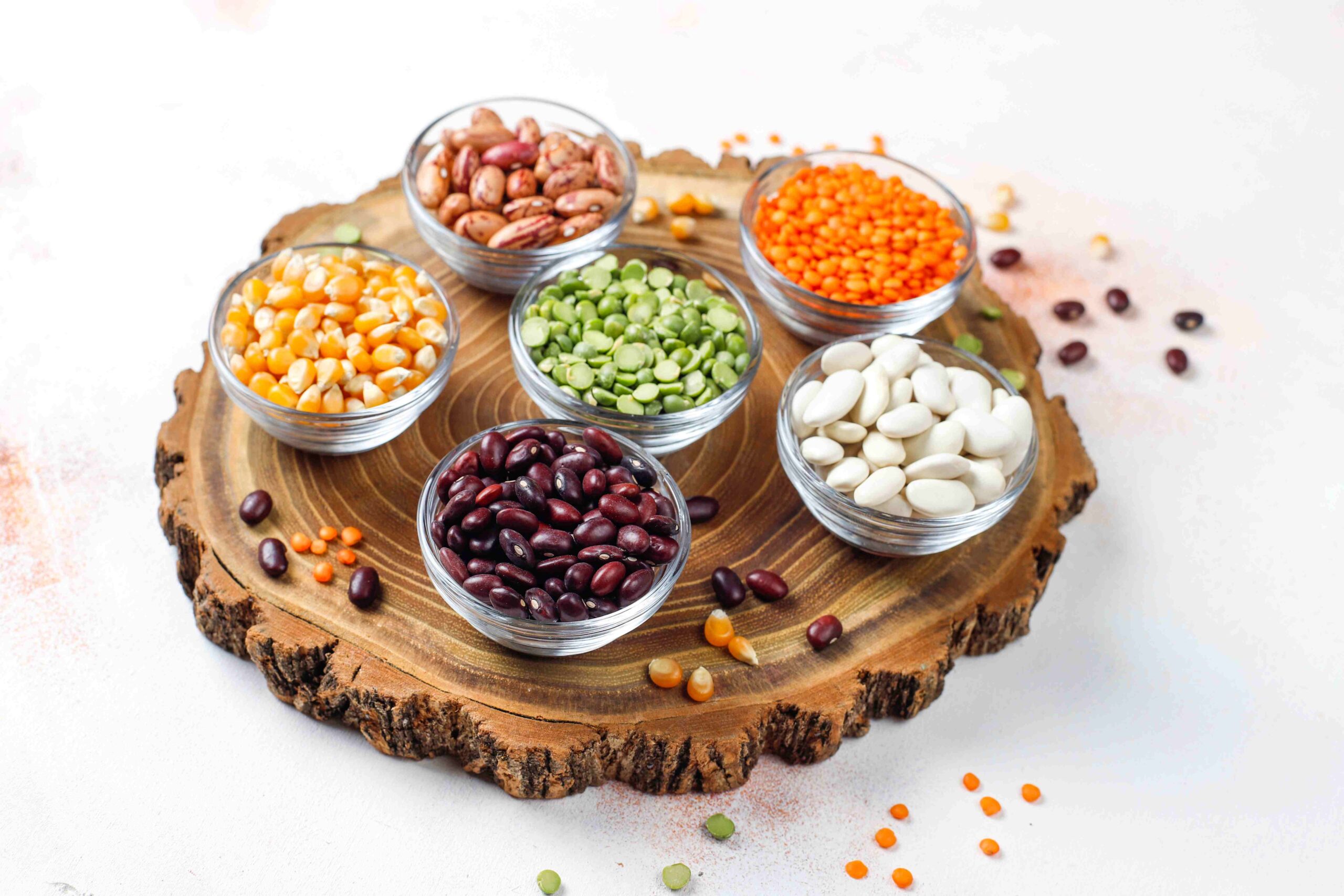
Peruvian food is full of rich flavors, bright colors, and unique taste combinations. It is known around the world for its bold and fresh dishes. But what truly makes this cuisine special is the wide range of ingredients used in everyday cooking. From spicy peppers to fresh herbs and ancient grains, each ingredient plays an important role in creating the perfect dish.
Peru has a very diverse landscape. It includes the coast, the mountains, and the Amazon rainforest. Because of this, the country has access to many different types of natural ingredients. This variety allows cooks to create meals that are , different cultures like Spanish, African, and Asian have also influenced full of flavor and texture. Over timePeruvian cooking. This mix has made the food even more exciting and unique.
In this Peruvian ingredients guide, you will learn about the most important ingredients used in Peruvian cooking. Whether you are new to this cuisine or want to improve your cooking skills, understanding these ingredients will help you make better and more authentic dishes at home.
What Makes Peruvian Ingredients Unique?
peruvian ingredients are special because they come from one of the most diverse countries in the world. Peru has three main regions: the coast, the Andes mountains, and the Amazon rainforest. Each region offers different types of food, which makes the cuisine rich and full of variety.
Along the coast, fresh seafood is easy to find. This is why dishes like ceviche are so popular. In the Andes, people grow many types of potatoes, corn, and grains. In fact, Peru has thousands of potato varieties. The Amazon region brings unique fruits, herbs, and plants that are not commonly found in other parts of the world.
Another reason Peruvian ingredients stand out is their bold and balanced flavors. Many dishes mix spicy, tangy, and savory tastes in one plate. Ingredients like aji peppers add heat, while lime juice adds freshness. Herbs like cilantro bring aroma and depth to the food.
Cultural influence also plays a big role. Over time, Spanish, African, Chinese, and Japanese traditions have blended with local cooking. This mix has introduced new ingredients and cooking styles, making Peruvian food even more exciting.
All these factors together make Peruvian ingredients unique, flavorful, and perfect for creating delicious meals at home.
To cook authentic Peruvian food at home, you need to start with the right pantry staples. These are the basic ingredients that are used in many dishes every day. They create the base of flavor and give Peruvian food its unique taste.
Aji Peppers (The Heart of Peruvian Flavor)
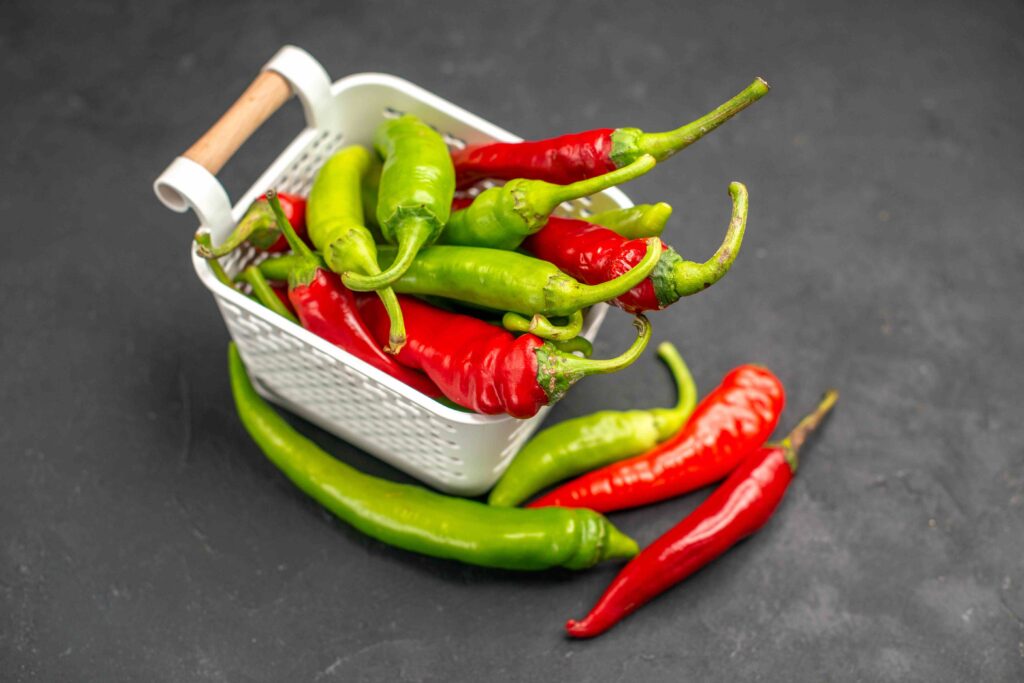
Aji peppers are one of the most important ingredients in Peruvian cooking. They add color, heat, and depth to dishes.
- Aji Amarillo – Bright yellow-orange color with a mild, fruity heat
- Aji Panca – Dark red pepper with a smoky and slightly sweet flavor
- Aji Rocoto – Very spicy, often used in hot sauces
These peppers are often used in pastes or sauces and are key to many traditional recipes.
Potatoes (Over 3,000 Varieties)
Potatoes are a big part of Peruvian culture and daily meals. Peru is known as the home of the potato, with thousands of different types.
- Different colors, shapes, and textures
- Used in boiled, mashed, fried, and baked dishes
- Found in famous meals like causa and stews
They are filling, tasty, and very versatile.
Corn (Maíz)
Corn is another essential ingredient in Peru, and it comes in many unique forms.
- Choclo – Large-kernel corn, often served with cheese
- Purple corn – Used to make drinks like chicha morada
- Dried corn for snacks and soups
Corn adds both texture and natural sweetness to dishes.
Rice
Rice is a simple but important part of many Peruvian meals. It is often served as a side dish with meat, chicken, or seafood.
- Common in daily cooking
- Pairs well with sauces and stews
- Often combined with beans or vegetables
Beans and Legumes
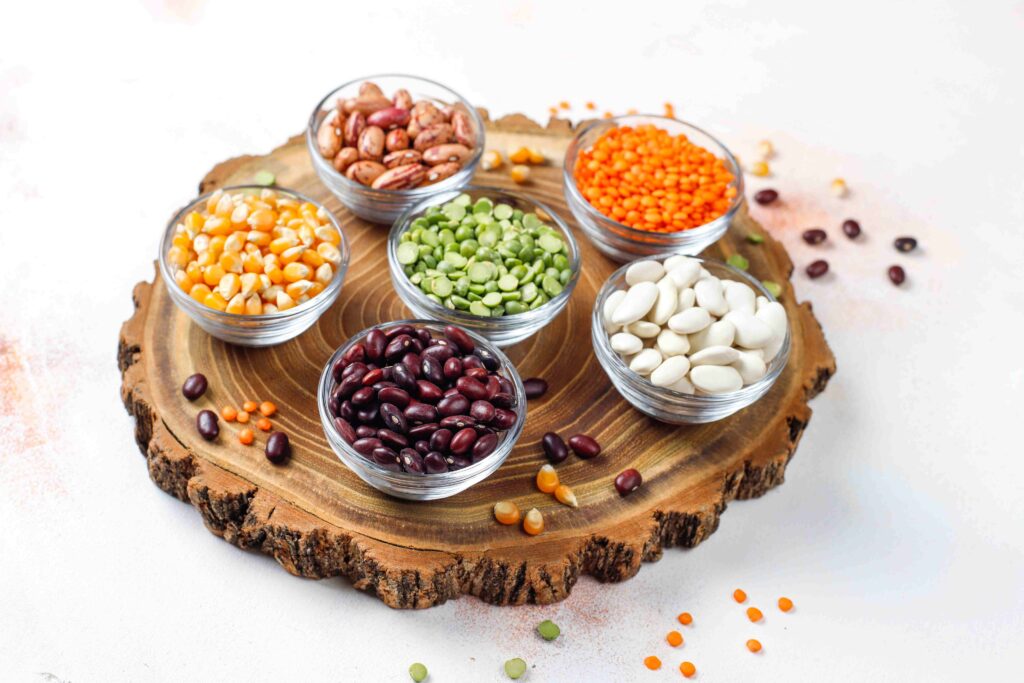
Beans are widely used in Peruvian homes. They are healthy, affordable, and full of protein.
- Common types include black beans, lentils, and canary beans
- Often served with rice
- Used in soups and hearty meals
These pantry staples form the foundation of Peruvian cooking. Once you have these ingredients in your kitchen, you can start making many traditional dishes with ease.
Essential Peruvian Herbs and Spices
Herbs and spices play a big role in giving Peruvian food its rich aroma and deep flavor. Even simple dishes can taste amazing when the right herbs and spices are used. These ingredients are often added at the start of cooking to build a strong and tasty base.
Cilantro (Coriander)
Cilantro is one of the most commonly used herbs in Peruvian cooking. It adds a fresh and slightly citrusy flavor.
- Used in rice dishes and soups
- Blended into sauces like green sauce
- Adds color and freshness to meals
Huacatay (Peruvian Black Mint)

Huacatay is a special herb that is native to Peru. It has a unique taste that is hard to replace.
- Slightly minty with a bold, earthy flavor
- Often used in sauces and marinades
- Key ingredient in traditional green sauces
Garlic and Onion
Garlic and onion are the base of many Peruvian dishes. They are usually cooked together at the beginning.
- Add depth and richness to food
- Used in almost every savory dish
- Help build strong flavor from the start
Cumin and Oregano
These spices are used to enhance the overall taste of dishes.
- Cumin adds a warm and slightly smoky flavor
- Oregano brings a mild and earthy taste
- Often used in meat, stews, and marinades
These herbs and spices are simple but very powerful. When combined, they arePopularPeruvian Sauces and Pastes
Sauces and pastes are a big part of Peruvian cooking. They add flavor, color, and richness to many dishes. In fact, some meals are known for their sauces more than anything else. These sauces are often spicy, creamy, and full of bold taste.
Aji Verde (Green Sauce)
Aji Verde is one of the most loved sauces in Peru. It is creamy, spicy, and fresh at the same time.
- Made with green herbs, chili peppers, garlic, and mayonnaise
- Has a smooth and creamy texture
- Served with grilled chicken, fries, and sandwiches
This sauce is famous for its bright flavor and is often served as a dip.
Aji Amarillo Paste
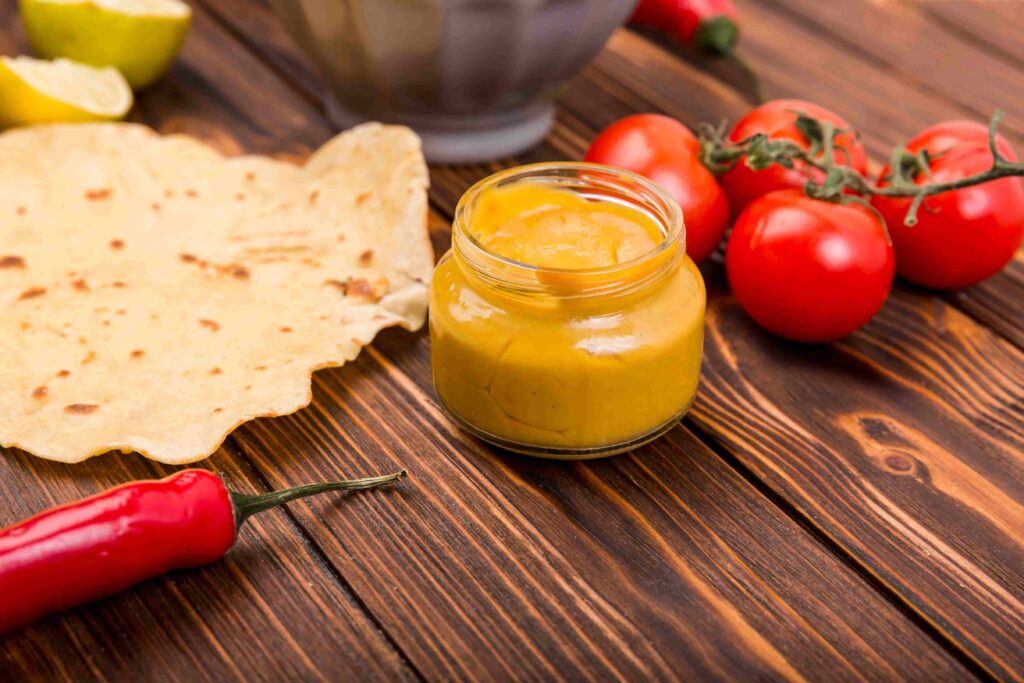
Aji Amarillo paste is a key ingredient in many Peruvian recipes. It is made by blending the aji amarillo pepper into a smooth paste.
- Bright yellow-orange color
- Mild heat with a slightly fruity taste
- Used in stews, sauces, and rice dishes
It gives dishes a rich flavor and a beautiful color.
Rocoto Sauce
Rocoto sauce is for those who enjoy spicy food. It is made from rocoto peppers, which are quite hot.
- Strong and spicy flavor
- Often mixed with onion, garlic, and lime
- Used as a dipping sauce or topping
These sauces and pastes bring life to Peruvian dishes. Even a simple meal can taste amazing when paired with the right sauce.
ate the bold and delicious flavors that make Peruvian food so special.
Proteins Used in Peruvian Cooking
4
Proteins are an important part of Peruvian meals. They add richness, taste, and nutrition to the food. Peru uses a wide range of proteins, from chicken and beef to fresh seafood and traditional meats. Each one is prepared in a special way to bring out its best flavor.
Chicken
Chicken is the most popular protein in Peruvian cooking. It is used in many everyday dishes.
- Often marinated with spices and herbs
- Grilled, roasted, or cooked in sauces
- Famous dish: juicy roasted chicken known as pollo a la brasa
Beef
Beef is also widely used and is loved for its rich taste.
- Common in stir-fry dishes
- Cooked with onions, tomatoes, and spices
- Popular dish: lomo saltado, a mix of beef and vegetables
Seafood
Peru’s long coastline makes seafood a key part of its cuisine. Fresh fish and shellfish are used in many dishes.
- Light and fresh flavors
- Often mixed with lime juice and spices
- Famous dish: ceviche, made with raw fish and citrus
Guinea Pig (Cuy)
Cuy is a traditional protein in Peru, especially in the Andes region.
- Considered a cultural delicacy
- Usually roasted or grilled
- Has been part of Peruvian food for centuries
These proteins give Peruvian food its variety and richness. Whether you prefer meat or seafood, there is always something delicious to try.
next
Unique Peruvian Grains and Superfoods
Peru is known for its healthy and ancient grains. These grains have been used for thousands of years and are now popular all over the world. They are packed with nutrients and are a great choice for anyone who wants to eat healthy while enjoying tasty food.
Quinoa
Quinoa is one of the most famous grains from Peru. It is often called a superfood because of its high nutritional value.
- Rich in protein and fiber
- Gluten-free and easy to digest
- Used in salads, soups, and side dishes
It has a light, nutty flavor and cooks quickly, making it perfect for everyday meals.
Amaranth (Kiwicha)
Amaranth, also known as kiwicha in Peru, is another ancient grain.
- Small seeds with a slightly crunchy texture
- High in protein and minerals
- Used in porridge, snacks, and desserts
It is a great option for adding variety to your meals.
Cañihua
Cañihua is less known but very powerful in terms of nutrition.
- Grows in high mountain areas
- Rich in iron and antioxidants
- Has a slightly earthy taste
It is often used in cereals and traditional recipes.
These grains are not only healthy but also deeply connected to Peruvian history and culture. Adding them to your meals is a simple way to enjoy both nutrition and tradition.
Dairy and Cheese in Peruvian Cuisine
6
Dairy products are used in many Peruvian dishes, especially different types of fresh cheese. While Peruvian cuisine is not heavily focused on dairy, the right use of cheese can add a creamy texture and mild flavor to meals.
Fresh Cheese (Queso Fresco)
Fresh cheese is the most common type of cheese used in Peru. It is soft, white, and slightly salty.
- Crumbly texture and mild taste
- Often served with corn or potatoes
- Used in both simple and traditional dishes
Cheese in Traditional Dishes
Cheese is an important part of some well-known Peruvian recipes.
- Used in sauces like creamy yellow pepper sauce
- Added to stuffed peppers such as rocoto relleno
- Combined with potatoes in classic dishes
Milk and Cream
Milk and cream are sometimes used to make sauces richer and smoother.
- Added to soups and stews
- Helps balance spicy flavors
- Gives dishes a creamy finish
Dairy ingredients may be simple, but they play an important role in balancing flavors. They add softness and richness to many Peruvian meals, making them even more enjoyable.
next
Essential Cooking Oils and Condiments
5
Cooking oils and condiments are small ingredients, but they make a big difference in Peruvian food. They help in cooking, add flavor, and bring all the ingredients together. Many dishes rely on simple oils and sauces to enhance taste.
Vegetable Oil
Vegetable oil is the most commonly used oil in Peruvian kitchens.
- Used for frying, sautéing, and cooking
- Has a neutral taste that does not overpower food
- Perfect for everyday meals
Olive Oil
Olive oil is also used, especially in lighter dishes and salads.
- Adds a smooth and slightly rich flavor
- Used in marinades and dressings
- Great for drizzling over finished dishes
Soy Sauce (Influence of Chifa Cuisine)
Soy sauce is widely used in Peruvian cooking due to Chinese influence, known as Chifa cuisine.
- Adds a salty and savory taste
- Common in stir-fry dishes like lomo saltado
- Blends well with garlic, ginger, and spices
These oils and condiments may seem simple, but they are essential for creating balanced and flavorful Peruvian dishes.
Fruits and Vegetables in Peruvian Cooking
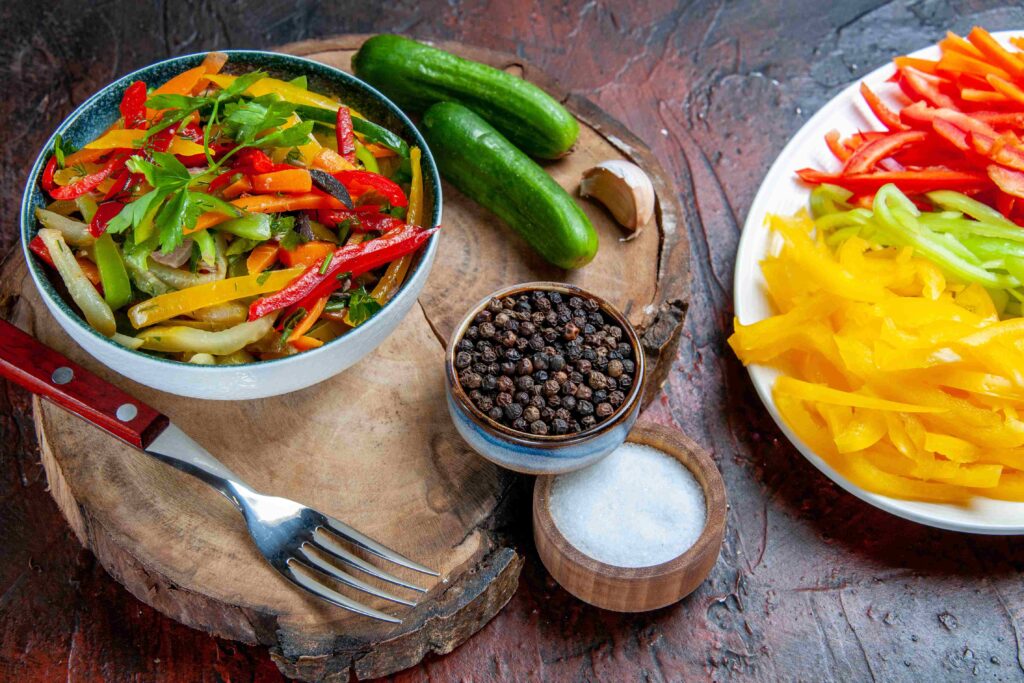
Fruits and vegetables are key ingredients in Peruvian cooking. They add freshness, color, and natural sweetness to dishes. Peru’s diverse climate allows a wide variety of produce to grow, from tropical fruits in the Amazon to fresh vegetables in the Andes.
Limes (Key for Ceviche)
Limes are essential in Peruvian cuisine, especially for making ceviche.
- Add tangy and refreshing flavor
- Used in marinades, sauces, and drinks
- Helps balance the heat of spicy peppers
Tomatoes and Avocados
Tomatoes and avocados are used in many everyday dishes.
- Tomatoes add juiciness and natural sweetness
- Avocados provide creamy texture
- Often used in salads, sandwiches, and garnishes
Exotic Fruits
Peru is home to many unique fruits that are not commonly found elsewhere.
- Lucuma – sweet and creamy, used in desserts
- Cherimoya – soft, tropical fruit with a custard-like taste
- Passion Fruit – tangy flavor used in drinks and sauces
Including fresh fruits and vegetables makes Peruvian dishes vibrant and full of life. They are not only nutritious but also bring authentic Peruvian flavors to your meals.
Traditional Peruvian Beverages Ingredients
5
Peruvian beverages are often made using local ingredients that are fresh, natural, and full of flavor. Many drinks are traditional and have been enjoyed for generations. These beverages reflect Peru’s rich agricultural diversity and unique taste preferences.
Purple Corn (Chicha Morada)
Chicha morada is a sweet, non-alcoholic drink made from purple corn.
- Boiled with pineapple, cinnamon, and cloves
- Naturally sweet and slightly tart
- Served cold as a refreshing drink
Purple corn is also rich in antioxidants, making this drink healthy as well as delicious.
Coffee and Cocoa
Peru is known for producing high-quality coffee and cocoa.
- Coffee beans are grown in the highlands and coastal regions
- Cocoa is used for chocolate, desserts, and beverages
- Both are exported globally but also enjoyed locally
Exotic Fruit Juices
Peruvians enjoy fresh fruit juices made from tropical and native fruits.
- Passion fruit, mango, and lucuma are popular choices
- Often blended with water or milk for creamy drinks
- Provide natural sweetness and refreshing flavor
These ingredients are not only important for drinks but also for desserts and sauces. Using authentic Peruvian ingredients helps you experience the true taste of Peru in every sip.
Where to Buy Peruvian Ingredients
Finding authentic Peruvian ingredients is easier than you might think. Many of these staples are available at local Latin American markets, specialty stores, and even online. Knowing where to shop can help you cook more authentic Peruvian meals at home.
Local Latin Markets
- Offer fresh peppers, potatoes, and corn varieties
- Often have unique herbs like huacatay and fresh cilantro
- A great place to explore and discover new ingredients
Online Stores
- Many stores now ship Peruvian ingredients nationwide
- Perfect for harder-to-find items like aji amarillo paste or canihua
- Convenient for those who do not live near a Latin market
Substitutes if Not Available
- If some ingredients are not available, you can use alternatives:
- Aji amarillo: yellow bell pepper + a pinch of chili
- Huacatay: mix of basil and mint
- Choclo: substitute with sweet corn
Shopping from the right places and knowing possible substitutes ensures that your Peruvian dishes remain flavorful and authentic, even if you can’t access every ingredient locally.
Tips for Cooking with Peruvian Ingredients
Cooking with Peruvian ingredients can be simple and enjoyable if you follow a few helpful tips. These guidelines will make your dishes taste more authentic and balanced, even if you are new to this cuisine.
Start Simple
- Begin with basic dishes like aji de gallina or lomo saltado
- Focus on mastering a few key ingredients before trying complex recipes
- Simple dishes let the flavors of fresh ingredients shine
Balance Flavors
- Combine spicy, tangy, and savory elements carefully
- Use lime juice, aji peppers, and herbs to achieve the signature Peruvian taste
- Taste as you go and adjust seasoning gradually
Use Fresh Ingredients
- Fresh herbs like cilantro and huacatay make a big difference
- Choose ripe fruits and vegetables for the best flavor
- Fresh produce enhances sauces, soups, and salads
Adjust Spice Levels
- Peruvian food can be spicy, but you can control the heat
- Start with small amounts of aji peppers and increase gradually
- Balance heat with creamy or citrus-based sauces
Following these tips will help you enjoy cooking Peruvian dishes at home while keeping the flavors authentic, vibrant, and delicious.
Common Substitutes for Peruvian Ingredients
Sometimes, authentic Peruvian ingredients may be hard to find. Don’t worry—there are simple substitutes that let you cook traditional dishes without losing flavor. Knowing alternatives ensures your meals are still tasty and close to the original.
Aji Amarillo Substitute
- Use yellow bell pepper with a small pinch of chili powder
- Adds similar color and mild heat
- Works well in sauces and pastes
Huacatay Substitute
- Mix equal parts of fresh basil and mint
- Mimics the aromatic, slightly minty flavor
- Can be used in sauces like green aji or marinades
Choclo (Peruvian Corn) Substitute
- Use large-kernel sweet corn
- Maintains the texture in salads, soups, or side dishes
Rocoto Pepper Substitute
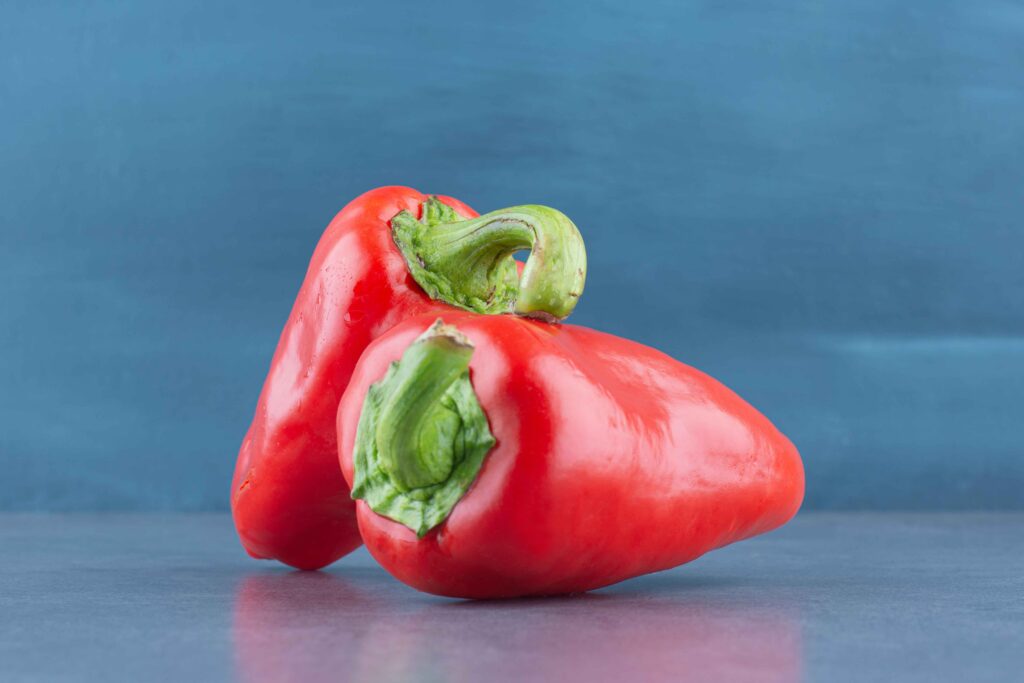
- Red jalapeño or serrano pepper works for heat
- Adjust quantity depending on desired spice level
Using these substitutes allows you to enjoy Peruvian recipes at home even if some traditional ingredients are not available. With a little creativity, your dishes can still taste authentic and delicious.
FAQs About Peruvian Ingredients
When cooking with Peruvian ingredients, many people have questions. Here are answers to some of the most common ones.
What are the most important Peruvian ingredients?
The key ingredients include aji peppers (amarillo, panca, rocoto), potatoes, corn, rice, quinoa, cilantro, and garlic. These form the base of many traditional dishes.
Are Peruvian ingredients spicy?
Not all Peruvian ingredients are spicy. Only aji peppers and certain sauces add heat. Many other staples, like potatoes, corn, and grains, are mild and versatile.
Can I cook Peruvian food without authentic ingredients?
Yes, you can use substitutes for harder-to-find items. For example, yellow bell pepper for aji amarillo or basil and mint for huacatay. Your dishes will still be flavorful and enjoyable.
Where can I find Peruvian ingredients near me?
- Latin American or international markets
- Specialty grocery stores
- Online retailers that ship aji pastes, grains, and unique herbs
These answers make it easier for home cooks to navigate Peruvian cooking. Knowing the essentials, spice levels, and substitutes ensures your dishes come out delicious every time.
Conclusion
Peruvian cuisine is vibrant, diverse, and full of flavor, thanks to its unique ingredients. From spicy aji peppers and fresh herbs to ancient grains and exotic fruits, each ingredient plays an important role in creating traditional dishes. Understanding these staples gives you the confidence to cook authentic Peruvian meals at home.
By learning about core pantry items, herbs and spices, sauces, proteins, grains, and beverages, you can explore the full range of Peruvian flavors. Even if some ingredients are hard to find, knowing the right substitutes ensures that your dishes remain delicious and true to the cuisine.
With this Peruvian ingredients guide, you now have the knowledge to bring the taste of Peru into your kitchen. Whether it’s a simple meal or a traditional feast, using the right ingredients will make your cooking authentic, vibrant, and unforgettable.