

Peruvian coastal deserts are some of the most unique and fascinating places in the world. Stretching along the Pacific coast, these deserts may look dry and empty, but they are home to a surprising variety of plants. From cacti and succulents to shrubs and herbs, many species have adapted to survive in harsh conditions with very little water.
The plants of the Peruvian coastal desert are not only interesting but also important for the environment. They help protect the soil, provide food and shelter for wildlife, and add to the country’s rich biodiversity. Areas like the Sechura Desert are filled with native and even endemic plants that are found nowhere else on Earth.
In this article, we will explore the amazing flora of Peruvian coastal deserts. You will learn about desert-adapted plants, salt-tolerant species, and the dry forest plants that grow along the arid coast. Whether you are a nature lover, a student, or just curious about plants, this guide will help you discover the hidden life of Peru’s deserts.
Geography of Peru’s Coastal Deserts
Peru’s coastal deserts stretch along the western edge of the country, between the Pacific Ocean and the Andes mountains. One of the most well-known deserts is the Sechura Desert, located in northern Peru. These deserts are mostly flat, with sandy plains, rocky areas, and occasional hills.
The climate in these deserts is very dry, with very little rainfall throughout the year. Temperatures can be hot during the day and much cooler at night. The cold Humboldt Current from the Pacific Ocean also plays an important role. It cools the coast and creates fog, which helps some plants survive in this dry environment.
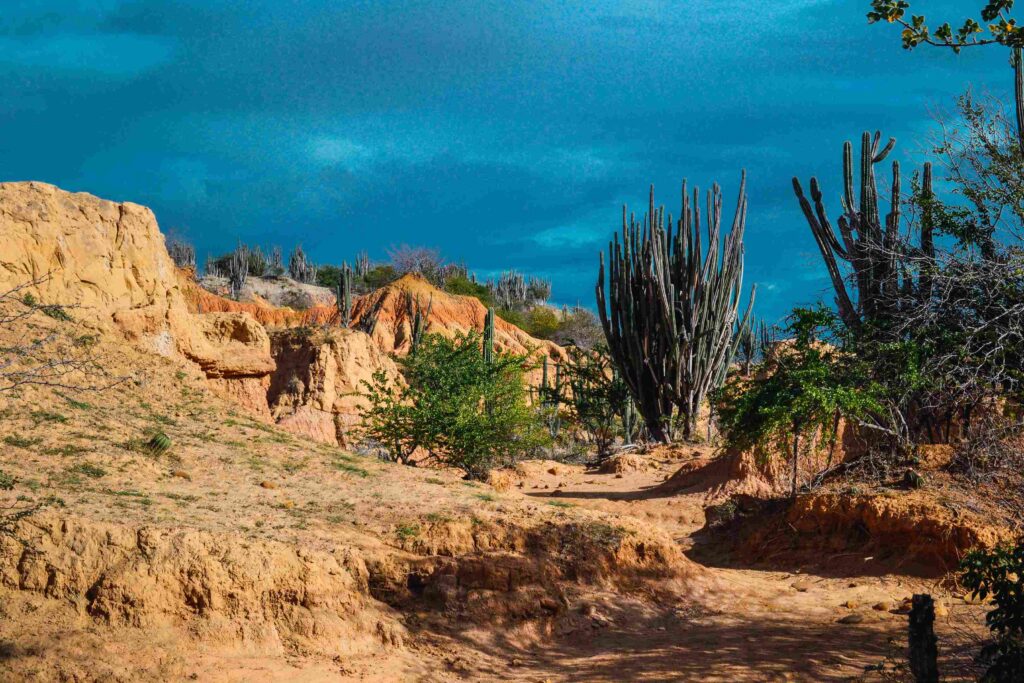
Despite the harsh conditions, these deserts are full of life. The Peruvian coastal desert vegetation in Peru has adapted to the extreme heat, low water, and salty soil. Plants here are specially designed to thrive where other plants would struggle. Understanding the geography of these deserts helps us see why the plants here are so unique and important.
Types of Desert-Adapted Plants
Plants in Peru’s coastal deserts have amazing ways to survive in very dry and harsh conditions. These plants are called desert-adapted plants because they can live with very little water, strong sunlight, and salty soil.
Many desert plants are xerophytic, which means they have special features to save water. Some have thick leaves or stems that store water, while others have small or spiny leaves to reduce water loss. Some plants grow deep roots to reach underground water, and others spread their roots wide to catch even the smallest drops of rain or fog.
There are also salt-tolerant plants that can grow in soil with high salt levels, which is common in coastal deserts. These plants are very important because they prevent soil erosion and provide shelter and food for animals.
Overall, the plants in these deserts are not just surviving—they are thriving. Their special adaptations make the Peruvian coastal desert ecosystems unique and full of life, even in areas that seem empty at first glance.
Common Flora in the Peruvian Coastal Desert
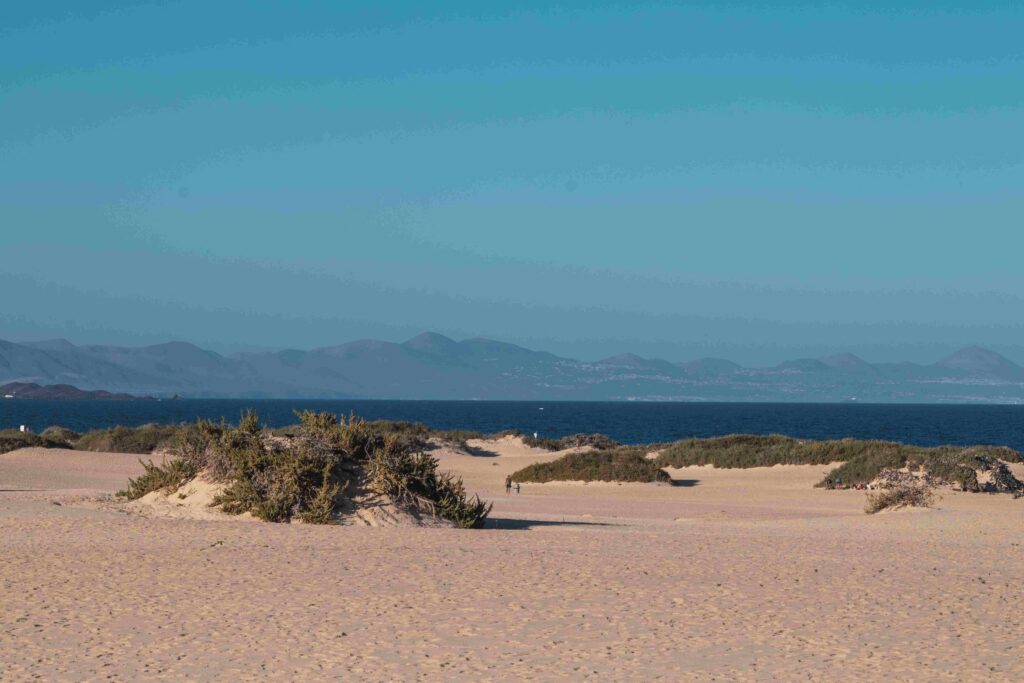
The coastal deserts of Peru may look empty, but they are home to many interesting plants. From tall cacti to small shrubs and herbs, these plants have learned to survive in very dry and salty conditions. Let’s explore some of the most common types of desert flora.
Cacti and Succulents
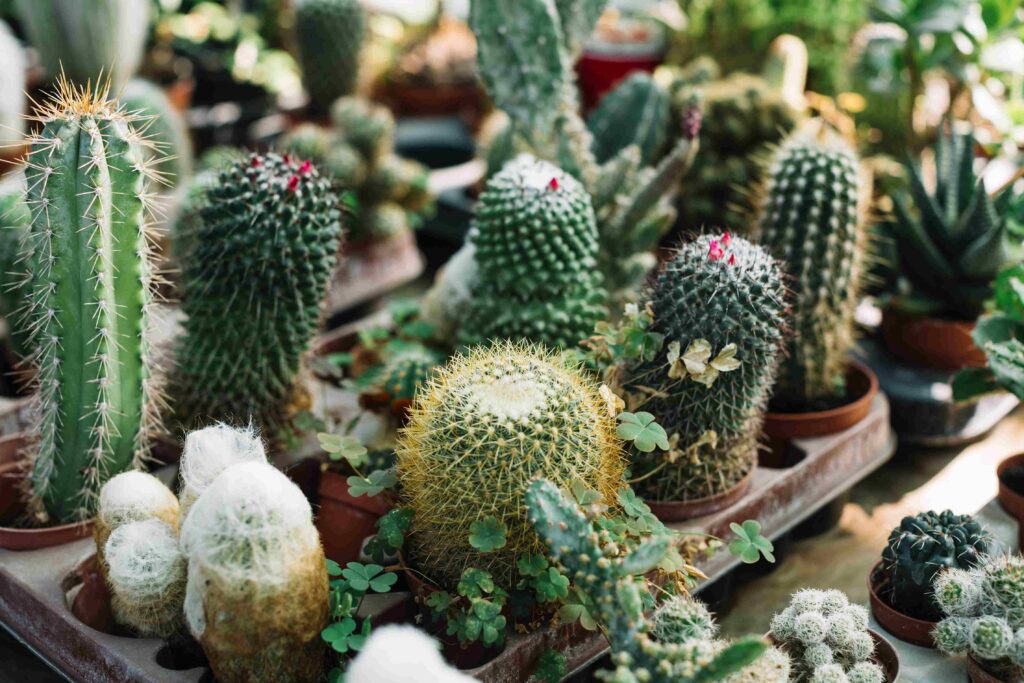
Cacti and succulents are some of the most recognizable plants in the desert. They store water in their thick stems and leaves, which helps them survive long dry periods. Many cacti also have spines instead of leaves, which protect them from animals and reduce water loss. These plants are not only beautiful but also important for the desert ecosystem.
Shrubs and Herbs
In addition to cacti, the deserts are filled with native shrubs and herbs. These plants are usually small and hardy, growing close to the ground to avoid strong winds and conserve water. They provide food and shelter for desert animals and help keep the soil healthy.
Endemic Plants
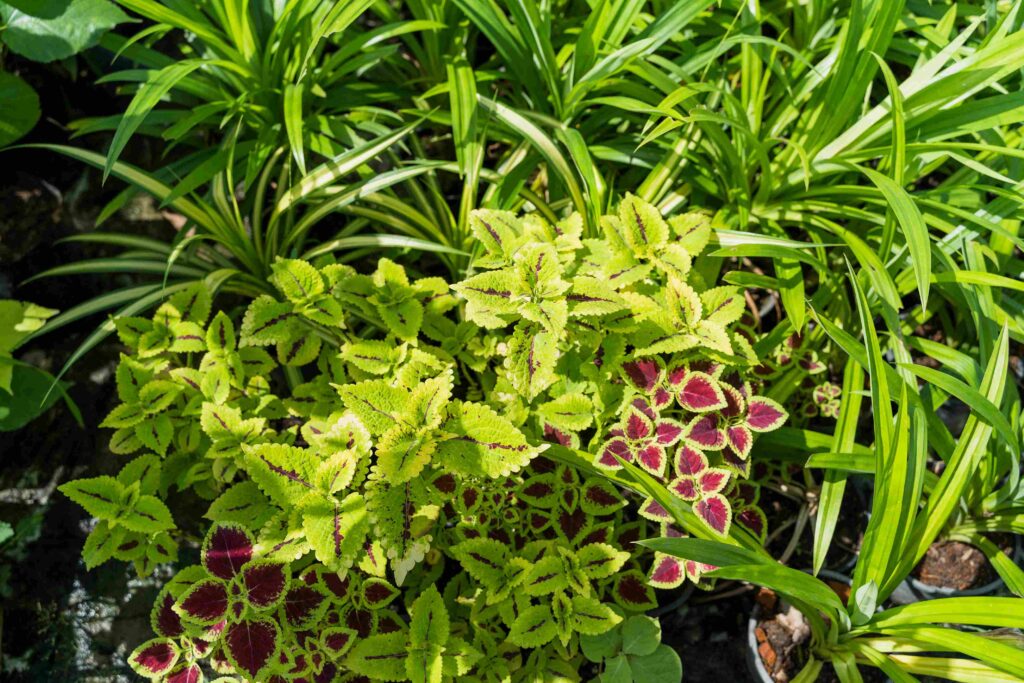
Some plants in the Peruvian coastal deserts are found nowhere else in the world. These endemic desert flora are rare and specially adapted to survive in very specific conditions. Protecting these plants is important for maintaining the desert’s unique biodiversity.
Read Also: Peruvian Chicken with Green Sauce
Peruvian Dry Forest Plants
Along the edges of Peru’s coastal deserts, the land slowly changes into dry forests. These areas are slightly wetter than the desert, but still very dry compared to tropical forests. Here, a different group of plants grows, adding more variety to the region’s flora.
Dry forest plants are usually tough and drought-resistant. Many have small leaves, thick bark, or deep roots to survive long dry seasons. Some of these plants bloom after rare rains, filling the desert edge with color and life.
These forests are important because they connect the desert to other ecosystems. They provide shelter for animals and help maintain the Peruvian desert biodiversity. By protecting dry forest plants, we also protect the health of the surrounding desert.
Ecological Importance and Conservation
The plants of Peru’s coastal deserts are more than just beautiful—they play an important role in the ecosystem. Desert flora helps prevent soil erosion, supports local wildlife, and maintains the balance of the Peruvian desert ecosystems. Many animals rely on these plants for food, shelter, and protection from the harsh environment.
Unfortunately, these plants face many threats. Human activities like agriculture, mining, and urban growth can damage their habitats. Climate change is also making deserts hotter and drier, which puts additional stress on desert-adapted plants.
Conservation efforts are helping to protect these unique plants. National parks, protected areas, and local programs aim to preserve both the desert and dry forest ecosystems. By protecting native Peruvian coastal desert plants and endemic species, we ensure that future generations can enjoy the unique beauty and biodiversity of Peru’s coastal deserts.
Conclusion
Peru’s coastal deserts are home to a surprising variety of plants that have adapted to survive in harsh and dry conditions. From cacti and succulents to shrubs, herbs, and endemic species, the flora of the Peruvian coastal desert is both unique and important for the environment.
These plants not only support wildlife but also help maintain soil health and biodiversity. Protecting desert-adapted plants, salt-tolerant species, and dry forest plants ensures that the delicate balance of the desert ecosystem is preserved.
Exploring Peru’s coastal deserts reveals the incredible resilience of nature. Even in places that seem empty and dry, life finds a way to thrive. By learning about and protecting these plants, we can appreciate the hidden treasures of Peru’s arid landscapes and help preserve them for the future.
