
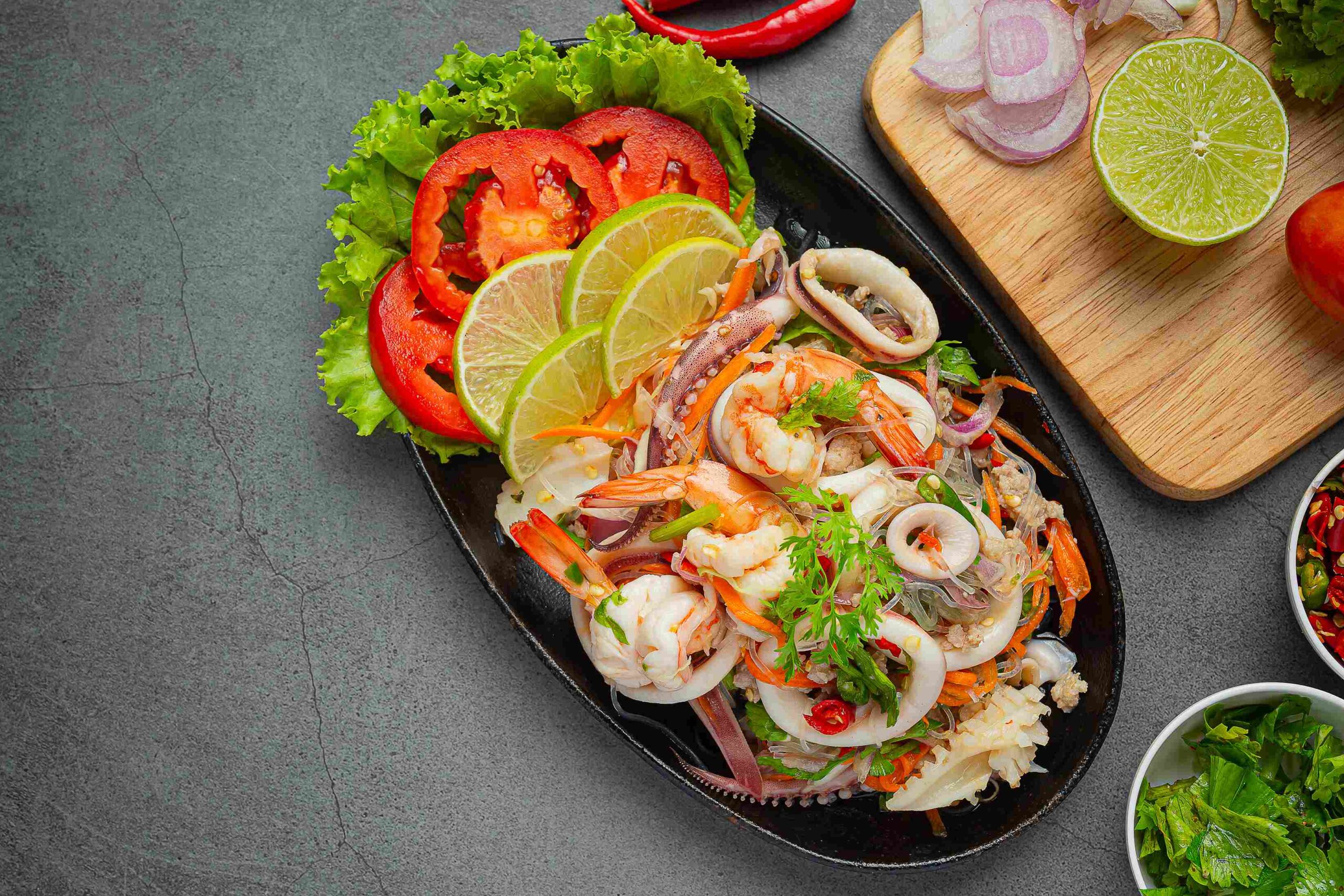
Peru is one of the most exciting food destinations in the world. Its cuisine is rich, colorful, and full of flavor. An authentic Peruvian cuisine guide helps you understand how food in Peru is not just about taste, but also about history, culture, and tradition.
Peruvian food culture is shaped by many influences. From ancient times, local people used natural ingredients like potatoes, corn, and fresh herbs. Over time, different cultures such as Spanish, African, Chinese, and Japanese added new ideas and cooking styles. This mix has created a unique and delicious food tradition.
Another special thing about Peruvian cuisine is its strong connection to nature. The country has three main regions: the coast, the Andes mountains, and the Amazon jungle. Each region offers different ingredients and dishes. You will find fresh seafood in coastal Peruvian dishes, warm and filling meals in Andean cuisine Peru, and unique flavors in Amazonian food Peru.
The history of Peruvian cuisine shows how food has changed over time while still keeping its roots. Many recipes still follow indigenous Peruvian food traditions, passed down from one generation to another. At the same time, modern cooking styles continue to grow and evolve.
In this guide, you will explore the true taste of Peru. From traditional meals to Peruvian street food culture, every dish tells a story. Whether you are a food lover or just curious, this journey into authentic Peruvian cuisine will give you a deeper understanding of one of the world’s most loved food cultures.
History of Peruvian Cuisine
The history of Peruvian cuisine is long and full of rich traditions. It started thousands of years ago with the ancient people of Peru, especially the Incas. They used simple and natural ingredients like potatoes, corn, beans, and quinoa. These foods are still an important part of Peruvian cooking today.
In the past, people cooked their meals using basic methods like roasting over fire or cooking in clay pots. These early techniques are part of indigenous Peruvian food traditions, and many of them are still used in rural areas.
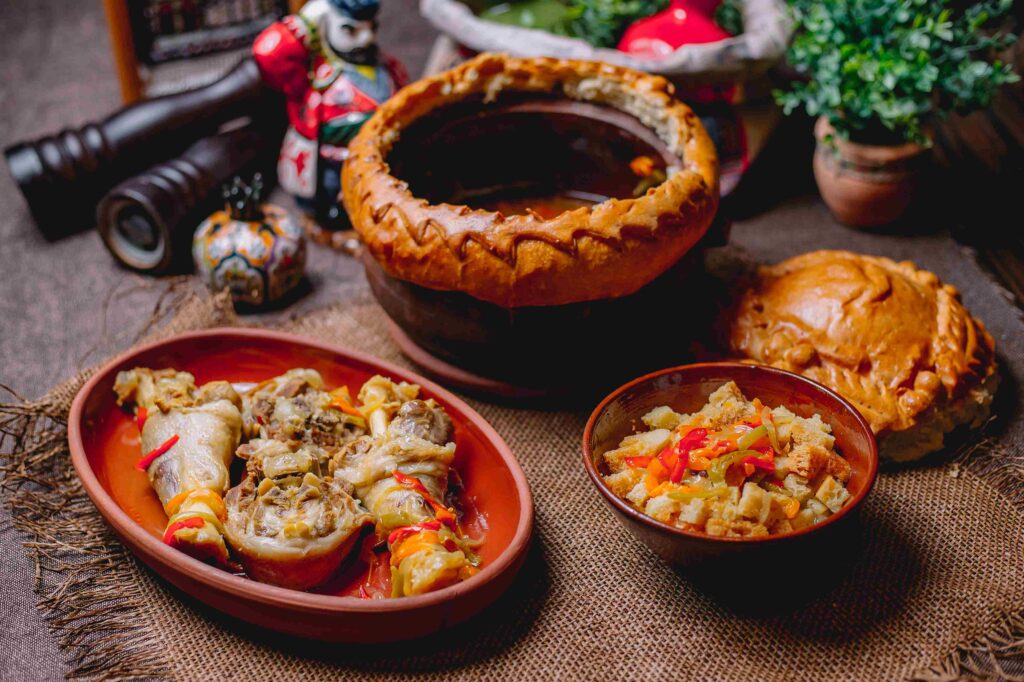
When the Spanish arrived in Peru, they brought new ingredients such as rice, wheat, and different meats. This changed the way food was prepared. Later, African slaves, Chinese workers, and Japanese immigrants also added their own cooking styles and flavors. This mix of cultures helped shape modern Peruvian cuisine.
Over time, these influences blended with local traditions to create something unique. Today, Peruvian food is known for its balance of flavors, fresh ingredients, and creative recipes. Even with modern changes, the roots of the cuisine remain strong.
Understanding the history of Peruvian cuisine helps you see why it is so special. It is not just food—it is a story of people, culture, and tradition that has grown over many years.
Understanding Peruvian Food Culture
Peruvian food culture is more than just cooking and eating. It is a big part of daily life in Peru. Food brings people together and plays an important role in family, celebrations, and traditions.
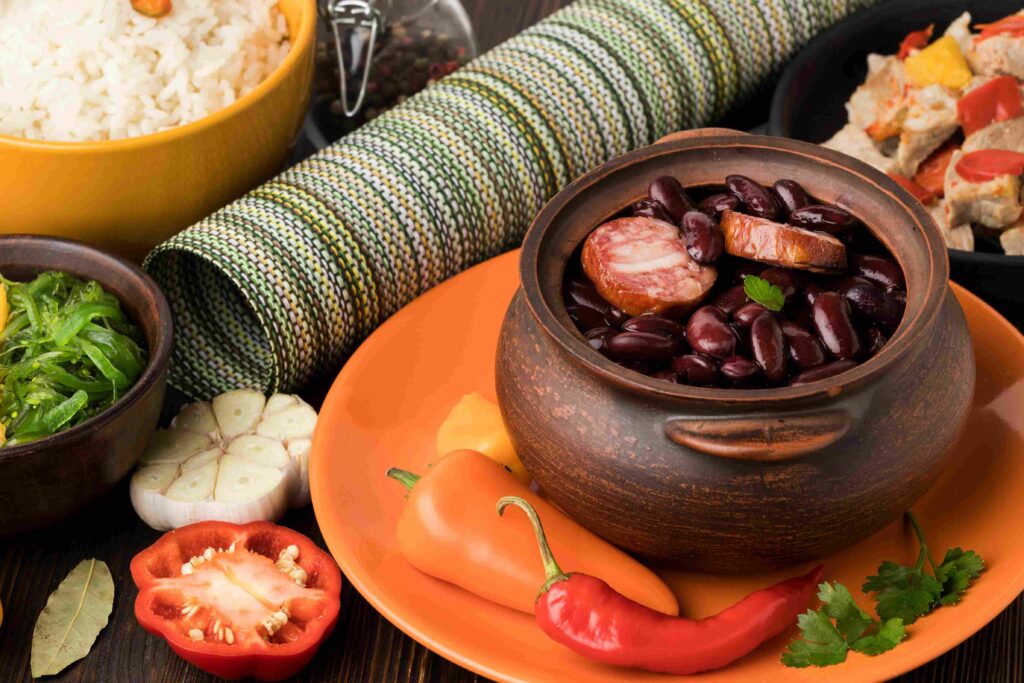
In Peru, meals are often shared with family and friends. People enjoy sitting together, talking, and eating slowly. This shows how food is not only about taste, but also about connection and happiness.
Fresh and local ingredients are very important in Peruvian cooking. Many dishes are made using items that grow naturally in the region, like potatoes, corn, chili peppers, and fresh fish. This focus on natural food makes meals healthy and full of flavor.
Another key part of Peruvian food culture is tradition. Many recipes come from indigenous Peruvian food traditions and are passed down from one generation to the next. These traditional dishes are still cooked today, keeping the culture alive.
Festivals and special events in Peru also include a lot of food. Each region has its own special dishes that are prepared during celebrations. This shows the strong connection between culture and cuisine.
In simple words, Peruvian food culture is about sharing, tradition, and respect for natural ingredients. It reflects the country’s history and the way people live, making it truly unique and special.
Regional Diversity of Peruvian Cuisine
One of the most special things about Peruvian food is its regional diversity. The country has three main regions, and each one offers different flavors, ingredients, and cooking styles. This makes Peruvian cuisine rich and exciting.
🌊 Coastal Peruvian Dishes
The coastal area of Peru is close to the ocean, so seafood is very common here. Coastal Peruvian dishes are fresh, light, and full of flavor. Fish, shrimp, and shellfish are often used in daily meals.
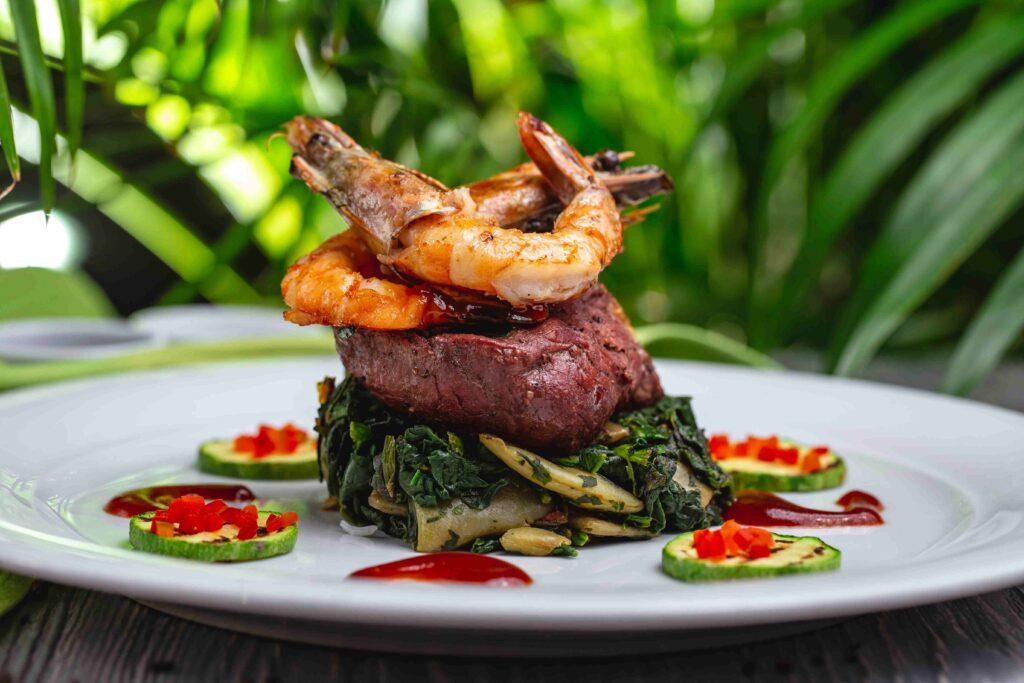
One of the most popular dishes from this region is ceviche, made with fresh raw fish, lime juice, onions, and chili. The cool ocean breeze and fresh ingredients make coastal food simple yet delicious.
🏔️ Andean Cuisine Peru
The Andes mountains bring a very different style of cooking. Andean cuisine Peru is warm, filling, and perfect for cold weather. People here use ingredients like potatoes, corn, and quinoa, which grow well in high areas.
Meals are often hearty and cooked slowly. Soups, stews, and roasted meats are common. This region keeps many indigenous Peruvian food traditions alive through its cooking methods and recipes.
🌿 Amazonian Food Peru
The Amazon region offers a unique and rich food experience. Amazonian food Peru uses fresh and natural ingredients from the जंगल (jungle), like tropical fruits, fish, and local herbs.
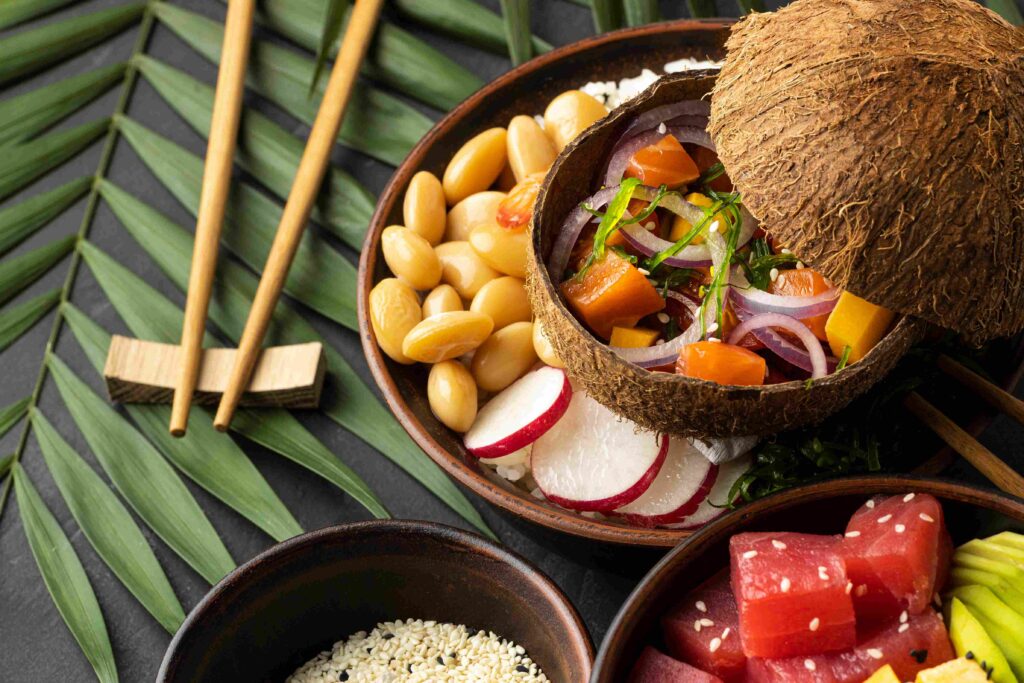
Cooking here is simple, often using grilling or wrapping food in leaves. The flavors are different from the coast and mountains, giving a new taste to those who try it.
In short, the regional diversity of Peru makes its cuisine very special. From seafood on the coast to hearty meals in the mountains and exotic dishes in the Amazon, every region adds something unique to Peruvian food culture.
Popular Authentic Peruvian Dishes
Peruvian cuisine is known for its wide range of delicious and unique dishes. Each meal has its own taste, history, and style. These dishes are an important part of Peruvian food culture and show the mix of different traditions and regions.
🐟 Ceviche
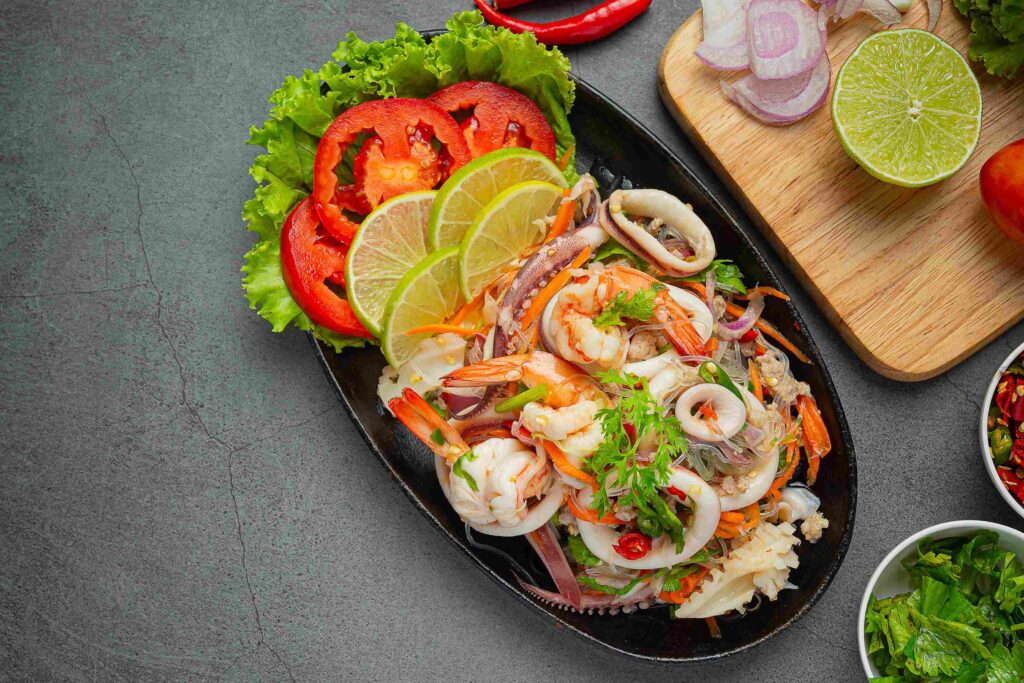
Ceviche is one of the most famous dishes in Peru. It is made with fresh raw fish, lime juice, onions, and chili peppers. This dish comes from the coast and is loved for its fresh and tangy flavor.
🍖 Lomo Saltado
Lomo Saltado is a popular stir-fry dish that mixes Peruvian and Chinese cooking styles. It includes beef, onions, tomatoes, and fries, all cooked together with soy sauce. It is a perfect example of how cultures blend in Peruvian cuisine.
🍗 Ají de Gallina
This is a creamy chicken dish made with shredded chicken, chili peppers, milk, and bread. It has a rich and slightly spicy taste. It is often served with rice and boiled potatoes.
🥔 Causa Rellena
Causa Rellena is a cold dish made with mashed potatoes, lime, and chili. It is filled with chicken, tuna, or vegetables. This dish is simple but full of flavor and is often served as a starter.
🍢 Anticuchos
Anticuchos are grilled meat skewers, usually made with beef heart. They are a popular part of Peruvian street food culture and are often sold by street vendors. They are smoky, juicy, and very tasty.
These dishes are just a small part of what Peru offers. Each one reflects the country’s rich history of Peruvian cuisine and its deep roots in indigenous Peruvian food traditions. Trying these meals is a great way to experience the true taste of Peru.
Peruvian Street Food Culture
Peruvian street food culture is lively, tasty, and full of energy. It is an important part of daily life in Peru. People enjoy quick, affordable, and delicious food from street vendors in markets, corners, and busy roads.
Street food in Peru is not just about eating on the go. It also reflects the country’s traditions and local flavors. Many recipes come from indigenous Peruvian food traditions, passed down over many years. Vendors often use simple cooking methods but create rich and bold flavors.
One of the most popular street foods is anticuchos, which are grilled meat skewers cooked over an open flame. Another favorite is tamales, made with corn dough and filled with meat or vegetables, then wrapped in leaves. You can also find empanadas, churros, and fresh juices sold on the streets.
Street food is also a great way to explore different regions. You can taste coastal Peruvian dishes, Andean snacks, and even flavors from Amazonian food Peru in one place. This makes street food exciting and diverse.
Another special thing about Peruvian street food culture is the atmosphere. The smell of grilled food, the sound of cooking, and the friendly vendors create a warm and welcoming experience.
In simple words, street food in Peru is more than just quick meals. It is a mix of culture, tradition, and flavor that gives you a real taste of the country.
Key Ingredients in Authentic Peruvian Cuisine
The heart of Peruvian cooking lies in its fresh and natural ingredients. These ingredients give food its unique taste and make Peruvian food culture rich and special. Many of them come from the country’s different regions and are used in both traditional and modern recipes.
One of the most important ingredients is chili peppers, especially ají varieties like ají amarillo and ají panca. These add color and mild heat to many dishes. They are widely used in sauces, stews, and marinades.
Potatoes are also a big part of Peruvian cuisine. Peru is home to hundreds of potato types, and they are used in many meals. From mashed to boiled or fried, potatoes are a key ingredient in both Andean cuisine Peru and everyday cooking.
Corn is another staple food. It is used in many forms, such as fresh corn, dried corn, or corn flour. Corn is often served as a side dish or used in snacks like tamales.
Quinoa is a healthy grain that comes from the Andes. It has been used since ancient times and is an important part of indigenous Peruvian food traditions. Today, it is popular around the world for its health benefits.
Fresh seafood is common in coastal Peruvian dishes, especially fish used in ceviche. In the Amazon region, local fish, fruits, and herbs are widely used in Amazonian food Peru, adding unique flavors to meals.
Herbs and spices also play an important role. They help enhance the taste and aroma of dishes without making them too heavy.
In simple words, the ingredients used in Peruvian cooking are fresh, natural, and full of flavor. They reflect the country’s land, culture, and long food history.
Traditional Cooking Methods
Cooking in Peru is not just about ingredients—it’s also about the way food is prepared. Traditional cooking methods have been passed down through generations and are an important part of indigenous Peruvian food traditions. These methods help bring out the natural flavors of the ingredients and give dishes their unique taste.
One common method is grilling over open flames. This technique is often used for meats like anticuchos and seafood, especially in coastal Peruvian dishes. It adds a smoky flavor that makes the food rich and tasty.
Roasting is another popular method, especially in the Andes. Meats and vegetables are slow-cooked to retain their juices and natural flavors. This is typical in Andean cuisine Peru, where hearty meals are preferred for cold mountain weather.
Steaming and boiling are also widely used, particularly for tamales, potatoes, and quinoa dishes. In the Amazon, cooking often involves wrapping food in leaves and steaming or grilling it. This simple method keeps the ingredients fresh and full of flavor, as seen in Amazonian food Peru.
Many traditional Peruvian dishes combine several cooking methods. For example, a dish might be boiled first and then finished by roasting or grilling to add texture and aroma.
In short, traditional cooking methods in Peru are simple but highly effective. They respect the natural ingredients, preserve the flavors, and reflect the rich history and diversity of Peruvian cuisine.
Modern Influence on Traditional Cuisine
Peruvian cuisine is not only rich in history but also constantly evolving. Today, chefs and home cooks are blending traditional Peruvian food with modern techniques and international flavors. This fusion has made Peruvian dishes popular all over the world.
Many modern Peruvian chefs take inspiration from indigenous Peruvian food traditions while adding creative twists. For example, they might use classic ingredients like potatoes, quinoa, or ají peppers in new ways or combine them with foreign flavors from Asia, Europe, or Africa. This keeps the cuisine fresh while respecting its roots.
Peru’s diverse regions also inspire innovation. Coastal Peruvian dishes may be served with a contemporary presentation, while Andean cuisine Peru might be prepared with modern cooking equipment but still use traditional ingredients. Even Amazonian food Peru is being reimagined with new techniques that highlight its exotic flavors.
This modern approach has helped Peruvian food gain international recognition. Restaurants in Lima and other cities now serve both classic and modern dishes, showing how the cuisine can evolve without losing its identity.
In simple terms, the modern influence on Peruvian cuisine keeps it exciting. It blends old and new, tradition and innovation, making it one of the most dynamic and loved cuisines in the world.
Tips for Experiencing Authentic Peruvian Cuisine
If you want to truly enjoy authentic Peruvian cuisine, there are a few simple tips that can make your experience even better. Peru’s food is diverse, so trying different dishes and styles will give you a full taste of the country.
- Explore all regions – Taste dishes from the coast, Andes, and Amazon. Each region has its own flavors and ingredients, from coastal Peruvian dishes like ceviche to hearty meals in Andean cuisine Peru and exotic foods in Amazonian food Peru.
- Try street food – Peruvian street food culture offers delicious snacks and meals that are quick, affordable, and full of flavor. Anticuchos, tamales, and empanadas are must-tries.
- Look for traditional ingredients – Fresh and local ingredients make the food special. Dishes with potatoes, corn, quinoa, chili peppers, and fresh seafood often represent indigenous Peruvian food traditions.
- Visit local markets – Markets are a great place to see Peru’s food culture in action. You can watch food being prepared, talk to vendors, and even try cooking techniques firsthand.
- Cook at home – Many Peruvian recipes are simple to make. Start with popular dishes like ceviche, lomo saltado, or causa rellena to experience the flavors yourself.
- Respect cultural traditions – Many Peruvian dishes have a history behind them. Learning about the history of Peruvian cuisine adds depth to your food experience.
By following these tips, you can enjoy not just the taste but also the culture and history of authentic Peruvian cuisine. It is a journey of flavors, tradition, and discovery.
Conclusion
Peruvian cuisine is a rich and flavorful journey through history, culture, and tradition. From the fresh seafood of coastal Peruvian dishes to the hearty meals of Andean cuisine Peru and the exotic flavors of Amazonian food Peru, every region has something unique to offer.
The history of Peruvian cuisine and indigenous Peruvian food traditions show how the country’s food has evolved over thousands of years while keeping its roots strong. Peruvian food culture is about more than just eating—it is about family, festivals, and sharing meals with loved ones. Even Peruvian street food culture reflects the lively and diverse nature of Peru’s culinary heritage.
By exploring traditional dishes, trying local ingredients, and embracing both old and modern cooking styles, anyone can experience the true taste of Peru. Authentic Peruvian cuisine is not just food; it is a celebration of the country’s land, people, and culture.
No matter where you are, tasting these dishes is a way to connect with Peru and enjoy one of the most exciting and unique cuisines in the world.

1 Comment
Pingback: Causa Rellena: Traditional Peruvian Layered Potato Dish